
Pertamina educates coastal communities to protect marine ecosystems
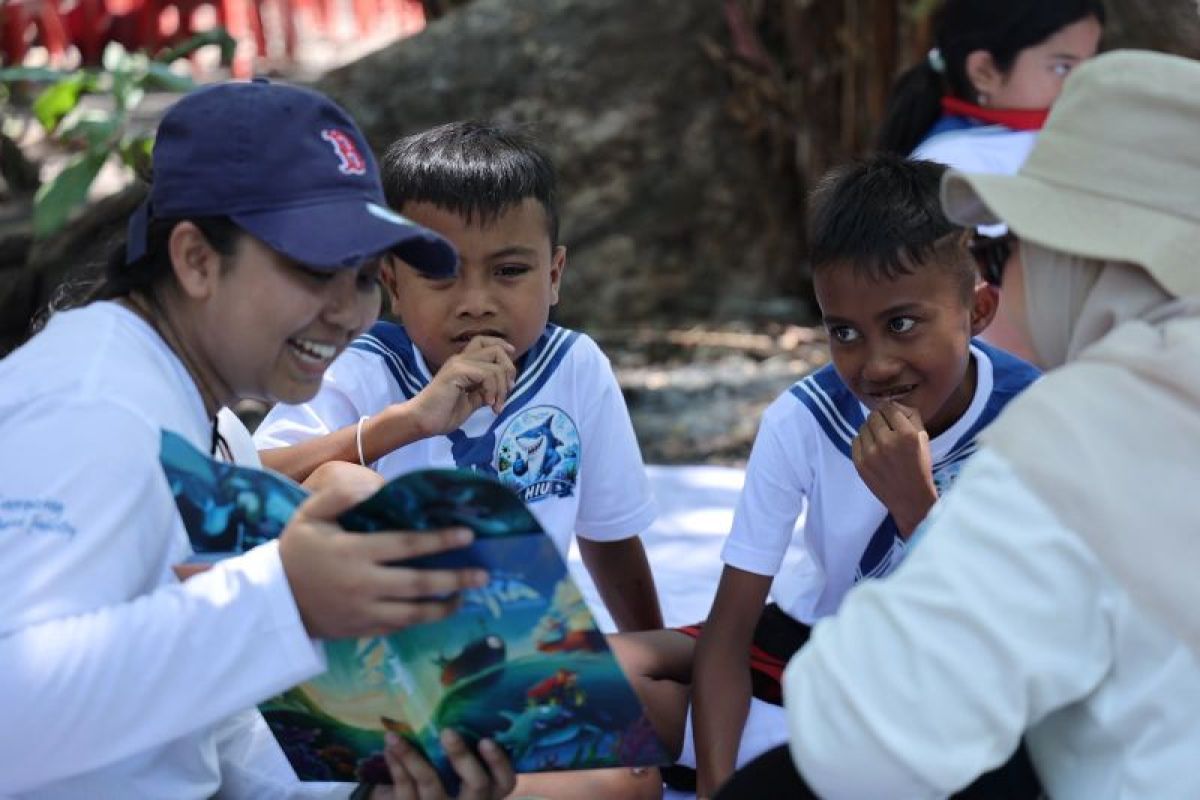
This is our effort to prepare the generation that will protect the sea in the future.
Jakarta (ANTARA) - PT Pertamina International Shipping (PIS) is strengthening environmental education for coastal communities to preserve marine ecosystems through the Ocean LiteraSEA programme, which is part of its Social and Environmental Responsibility (TJSL) initiative.
“This is our effort to prepare the generation that will protect the sea in the future. A generation that will eventually make decisions, lead change, and determine how our seas and natural resources are managed sustainably,” said Acting Corporate Secretary of PIS, Vega Pita, in an official statement confirmed by ANTARA from Jakarta on Wednesday.
Running since 2023, the Ocean LiteraSEA programme has reached 61 coastal schools, involving more than 3,600 students as beneficiaries, and has produced 41 certified teachers. The programme has also revitalised 25 libraries, processed 3.86 tonnes of waste, and provided scholarships to 15 young sailors.
Vega stated that Ocean LiteraSEA is a form of PIS’s ongoing commitment to building coastal communities through education and tangible actions to protect the ocean. For PIS, these efforts are part of the company’s responsibility, which is oriented not only towards business continuity but also towards environmental and social sustainability.
According to Vega, investing in the younger generation is a vital part of the effort to maintain the long-term sustainability of the maritime ecosystem. “We hope that the children who today learn to know the sea, clean the coast, and dare to remind their friends to protect the environment, will become heroes for the preservation of Indonesia’s seas and hopefully grow into proud maritime talents,” she said.
The urgency of building a generation with concern for the ocean is increasing given the challenges faced by Indonesia. Based on data from the National Waste Management Information System (SIPSN) of the Ministry of Environment and Forestry (KLHK), national waste accumulation in 2025 is estimated to reach 50.6 million tonnes. Approximately 40 per cent of this remains unmanaged and has the potential to end up in the sea. Every year, it is estimated that 16.2 million tonnes of waste enter the ocean.
“Marine debris can threaten the lives of biota, damage habitats, and even disrupt the food chain within the marine ecosystem,” she added.