
Pertamina collaborates with West Java Provincial Government to convert waste into hydrogen
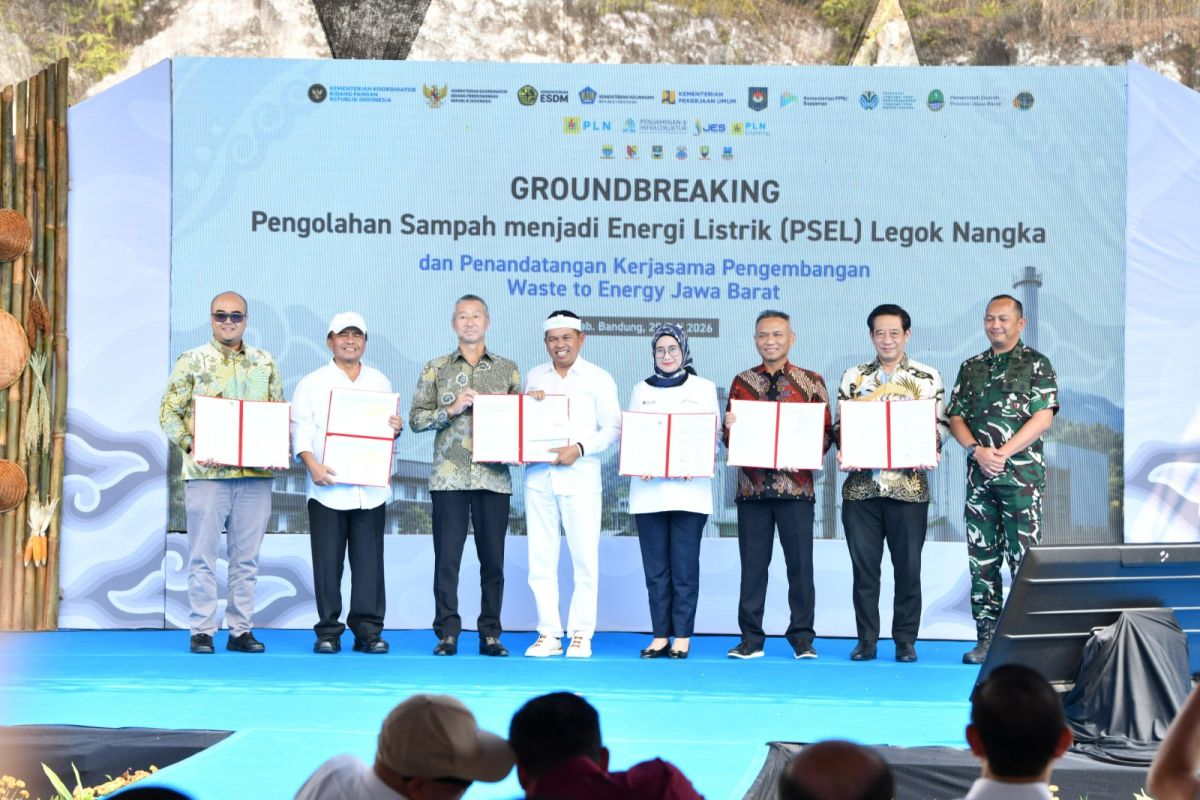
PT Pertamina (Persero) is collaborating with the West Java Provincial Government to process waste into low-carbon hydrogen, biomethane, and biofuel. This initiative represents a significant step towards building an integrated hydrogen ecosystem and resolving waste management challenges in West Java.
“This cooperation covers various fields, one of which is waste management at the Sarimстью landfill. The processed waste will produce biogas, which will then be developed into hydrogen and biomethane,” stated Emma Sri Martini, Director of Strategy, Portfolio, and Business Development at PT Pertamina (Persero), in a statement confirmed in Jakarta on Friday.
Emma noted that a primary focus of the collaboration is the plan to utilise methane derived from waste at the Sarimukti landfill in West Bandung Regency. Through this partnership, biogas from the waste will be purified into biomethane and subsequently processed into hydrogen. This effort is part of the broader development of a waste-to-energy ecosystem.
According to Emma, the project development represents a synergy within the Pertamina Group to create an integrated clean energy value chain from upstream to downstream. “This programme will be executed alongside Pertamina’s New & Renewable Energy (PNRE) sub-holding and the Gas sub-holding. Each entity will have specific roles and responsibilities, ranging from feedstock provision and processing to infrastructure development, distribution, and product commercialisation,” she said.
Emma further explained that the collaboration also involves international partners, including Hyundai from South Korea, as part of the effort to accelerate the development of low-carbon energy technology. “We view this as an excellent collaboration between Pertamina, the West Java Provincial Government, and international partners in developing low-carbon energy, specifically hydrogen. We hope this programme will serve as a pilot for building a hydrogen ecosystem in Indonesia. If the implementation is successful, this business model can be expanded and replicated in various other regions,” she concluded.