
Pertamina Boosts Pangkah Gas Production to Fuel East Java Industry
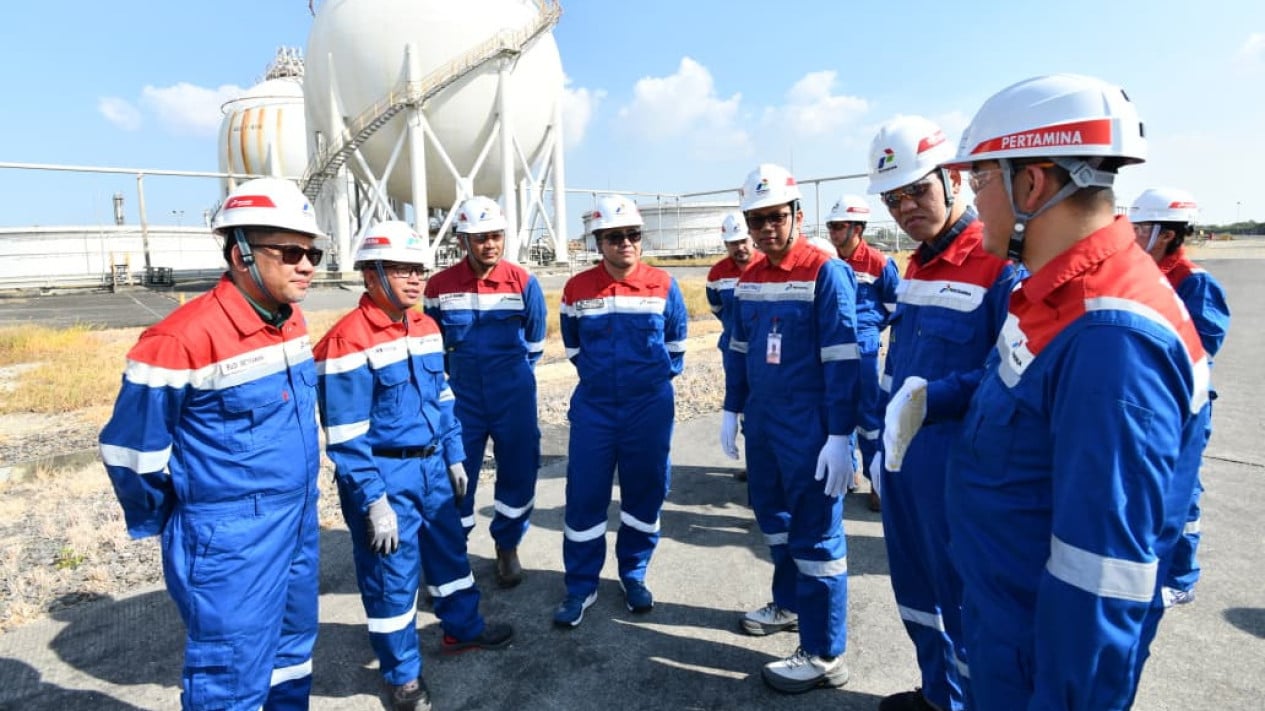
Amidst growing industrial energy demand, Pertamina views the Pangkah Working Area in Gresik, East Java, not merely as an already producing oil and gas asset. The area is considered to still hold opportunities to yield additional oil and natural gas, whilst optimising existing facilities. This step is important because East Java is one of the nation’s industrial bases. The closer the energy source is to industrial consumers, the greater the opportunity to maintain supply reliability and make the energy supply chain more efficient. The Pangkah Working Area is managed by SIPL, a subsidiary of PT Saka Energi Indonesia (PGN Saka), which is part of Pertamina’s Gas Subholding. In addition to maintaining ongoing production, PGN Saka continues to seek opportunities to discover new reserves and increase the value of its existing assets. Vice President Director of PT Pertamina (Persero) Oki Muraza stated that the presence of gas sources close to industrial centres is an advantage that needs to be continuously optimised to maintain energy supply continuity for industry. ‘East Java has a very strong industrial base. Therefore, the continuity of energy supply, especially natural gas, needs to be maintained. We hope PGN Saka will continue to strengthen exploration studies to find new gas reserves,’ Oki said during a Management Walkthrough to the SIPL Onshore Processing Facility in Gresik. According to Oki, efforts to increase Pangkah’s contribution are not only made by seeking new reserves. Existing infrastructure also needs to be utilised maximally so that these assets can provide greater value for national energy security. During the visit, Oki and the PGN Saka management team inspected a number of facilities in the Pangkah Area, including the Onshore Processing Facility and the LPG Plant. ‘We discussed how the available infrastructure can be utilised more optimally. There are various excellent facilities, including the LPG Plant, which we hope can make a greater contribution to Indonesia’s energy security,’ Oki said. With this approach, Pangkah’s development is carried out through two simultaneous paths: maximising existing production and facilities, and seeking potential new reserves for future energy needs.