
Pertamina Becomes First Taxpayer to Implement Data Integration with Indonesia's Tax Office
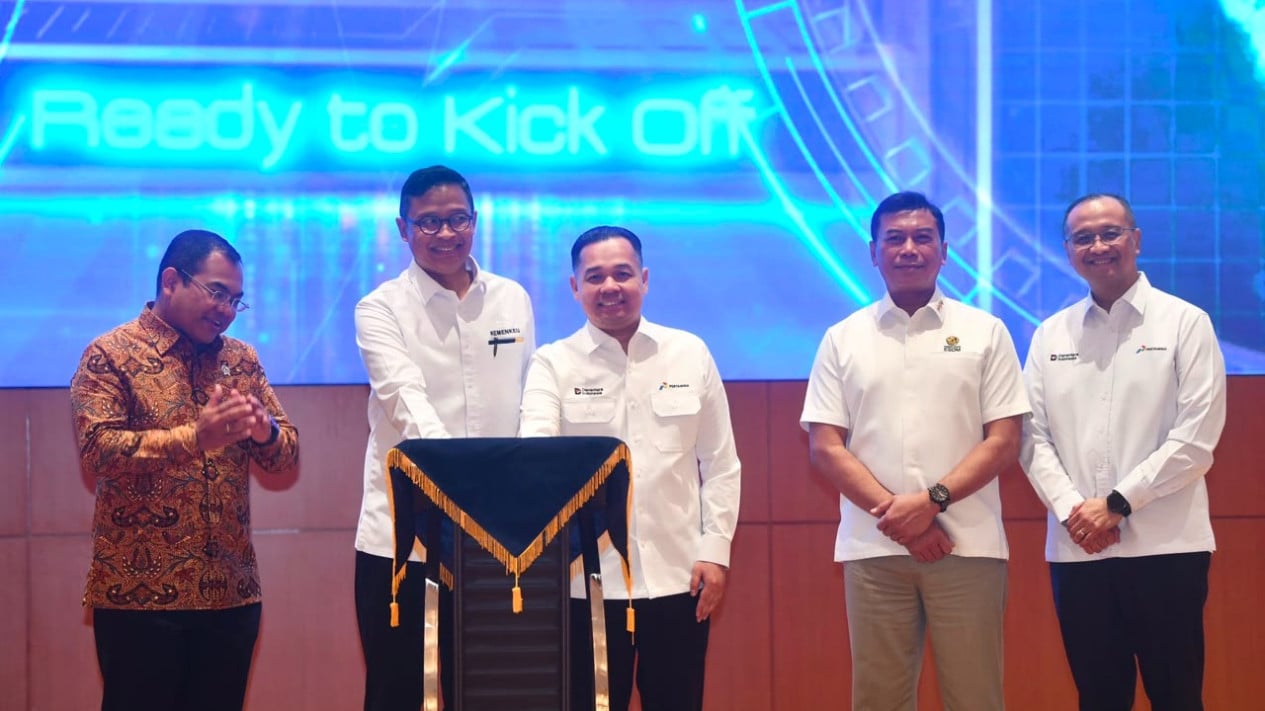
PT Pertamina (Persero) has become the first taxpayer in Indonesia to implement tax data integration with the Directorate General of Taxes (DJP) of the Ministry of Finance through the Co-operative Compliance programme.
The move forms part of efforts to strengthen tax administration, making it more modern, transparent and trust-based.
The programme encompasses the implementation of a Tax Control Framework (TCF) as well as tax data integration, as part of broader tax reform through strengthened governance, improved compliance and greater use of integrated data.
Mega Satria, Finance Director of PT Pertamina (Persero), welcomed the trust placed by the government, particularly the Ministry of Finance and the Directorate General of Taxes, in Pertamina as the first company to serve as the pilot project for the programme’s implementation.
“This trust is a responsibility we carry with full commitment. For Pertamina, this collaboration is not merely about strengthening our tax system, but also part of efforts to reinforce governance across the entire Pertamina Group by prioritising transparency, accountability and compliance,” said Mega at the kick-off of the Co-operative Compliance Programme trial with the Directorate General of Taxes in Jakarta on Monday, 13 July 2026.
According to Mega, the collaboration between Pertamina and the Directorate General of Taxes is expected to support national tax reform while delivering a more optimal contribution to the state.
Director General of Taxes Bimo Wijayanto commended Pertamina’s willingness to become the programme’s first partner. He said tax data integration and the Tax Control Framework would help identify tax risks at an early stage.
“We express our appreciation to PT Pertamina (Persero) for its commitment and openness in becoming the first partner in this trial. With the support of the Tax Control Framework and data integration, tax risks can be identified earlier, thereby providing legal certainty, reducing compliance costs and minimising the potential for disputes,” said Bimo.
As a state-owned enterprise (BUMN) entrusted with safeguarding national energy security, Pertamina views tax compliance as an integral part of good corporate governance. Beyond being an administrative obligation, tax payments are also regarded as a form of the company’s contribution to national development.