
Pertamina assures energy supply for economic activity in eastern Indonesia
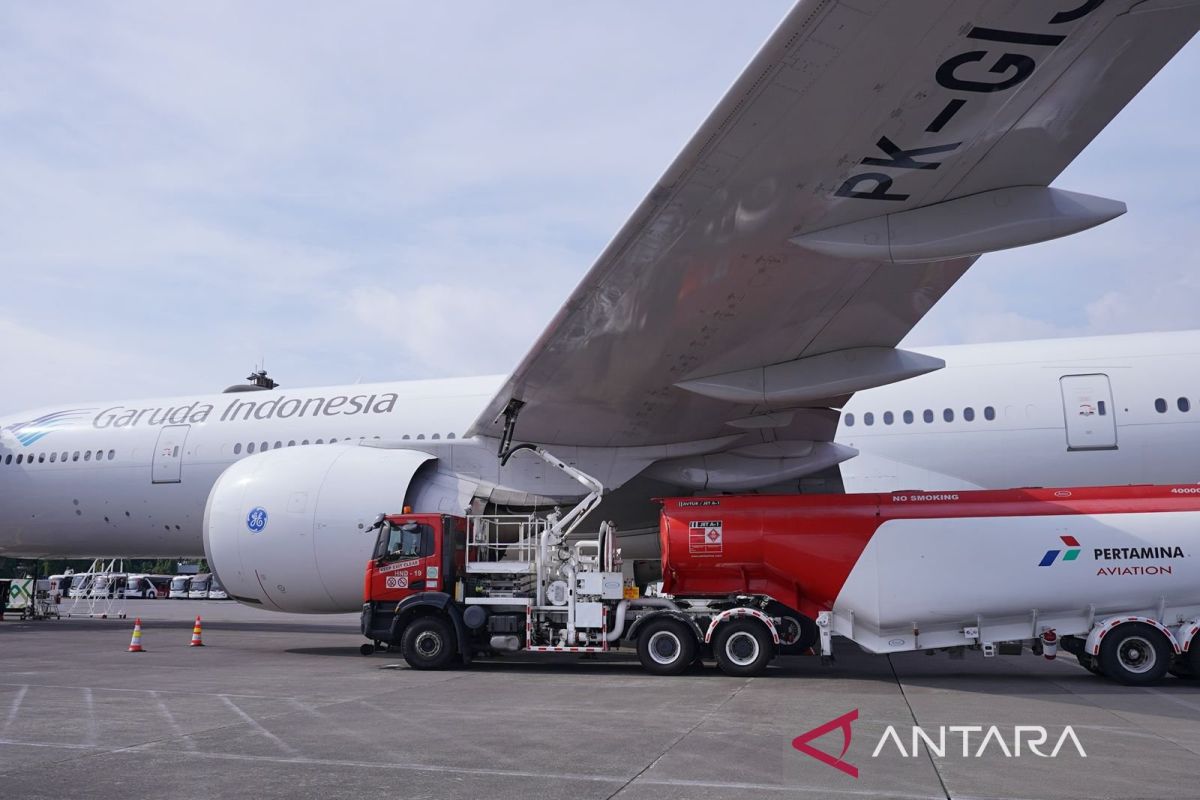
Jakarta (ANTARA) - PT Pertamina (Persero) has assured the readiness of its infrastructure and energy supply availability to support connectivity and economic movement for communities in eastern Indonesia.
“We are evaluating whether AFT Babullah will be able to meet the needs arising from increased sales going forward, and what options can be pursued for business development,” said Ahmad Siddik Badruddin, Risk Management Director of PT Pertamina (Persero), in an official statement confirmed by ANTARA from Jakarta on Tuesday.
The Aviation Fuel Terminal (AFT) Babullah is located near Sultan Babullah Airport in Ternate. The facility plays an important role in ensuring the availability of aviation fuel (avtur) for flights operating from and to Ternate.
According to him, growth in economic activity in North Maluku has the potential to increase air traffic at Sultan Babullah Airport. This situation needs to be anticipated through infrastructure readiness and business development capable of meeting future growth in avtur demand.
Beyond avtur, the sustainability of fuel supply for communities is also a vital part of the energy resilience system in island regions.
To that end, Siddik continued his visit to the Fuel Terminal (FT) Ternate, a facility that supports energy distribution for the people of Ternate and several surrounding island areas.
At FT Ternate, he said, the evaluation focused, among other things, on the terminal’s capacity to receive supply by sea from Wayame for various energy products, as well as the development and improvement of jetty facilities as part of efforts to strengthen distribution reliability.
“We are evaluating the Fuel Terminal Ternate’s ability to receive cargo deliveries from Wayame for various products, and we are also reviewing what jetty improvements will be needed going forward,” Siddik said.
Siddik noted that the challenges of energy distribution in the Papua and Maluku regions have different characteristics compared to other parts of Indonesia. The geographical condition, comprising many islands, means energy distribution requires careful planning, especially since most supply mobilisation relies on sea transport.
“The Papua-Maluku region is one of the most challenging regions for carrying out the mandate of energy distribution because it consists of many islands in the eastern part of Indonesia,” he said.
The reliance on sea transport also means the smooth running of distribution is heavily influenced by external conditions, including weather. Therefore, according to Siddik, Pertamina needs to continually evaluate infrastructure capacity, distribution patterns and various development options so that energy supply is maintained effectively and efficiently.