
Pertamina affirms leadership in developing SAF ecosystem
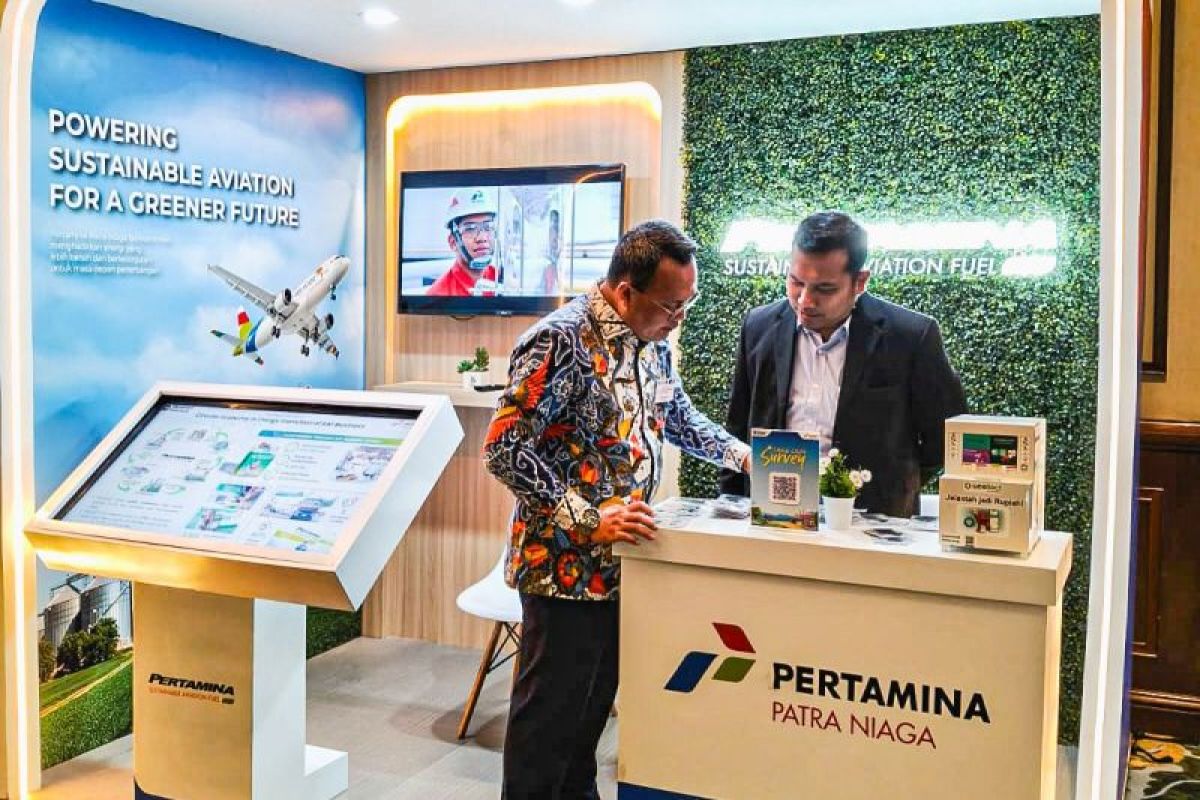
PT Pertamina Patra Niaga has affirmed its leadership in developing the Sustainable Aviation Fuel (SAF) ecosystem in Indonesia through its participation in the ASEAN Sustainable Aviation Fuel (SAF) Workshop 2026. Vice President of Aviation Fuel Business at Pertamina Patra Niaga, Yosep Iswadi, stated that the forum was a crucial moment to strengthen synergy for SAF development in the ASEAN region. “Pertamina has built an integrated SAF ecosystem from upstream to downstream through cross-sector collaboration,” he said in a statement in Jakarta on Friday.
CORSIA-certified SAF produced at the Green Refinery RU IV Cilacap is now being distributed through Soekarno-Hatta and I Gusti Ngurah Rai airports. The workshop, organised by the Directorate General of Civil Aviation of the Ministry of Transportation together with the European Union Aviation Safety Agency (EASA) in Denpasar, Bali, from 13 to 15 July 2026, served as a collaborative platform for ASEAN countries to accelerate SAF implementation.
Director General of Civil Aviation, who attended the forum, expressed appreciation for Pertamina’s commitment to building the SAF ecosystem. He noted that this collaboration is a strategic step to accelerate the transition to low-emission aviation while strengthening Indonesia’s competitiveness. Pertamina’s SAF, which meets international standards, is seen as a key foundation for decarbonising the aviation sector and positioning Indonesia as a driver of SAF development in the region.
Pertamina Patra Niaga’s Vice President of Corporate Communication, Kitty Andhora, stated that SAF development demonstrates the company’s commitment to providing low-carbon energy solutions while strengthening national energy security. “Our presence at the ASEAN SAF Workshop underscores Pertamina’s commitment to supporting aviation decarbonisation, strengthening Indonesia’s position as a SAF mover in the ASEAN region, and delivering sustainable energy innovations that benefit society and the environment,” she said. She added that the SAF ecosystem shows how the energy transition can align with a circular economy by utilising used cooking oil as a feedstock for clean energy. Collaboration between government, industry, and the public is key to accelerating SAF adoption and reinforcing Indonesia’s position as a centre for sustainable aviation energy development in the ASEAN region.