
Pertagas Niaga to Absorb CBG from PalmCo Palm Oil Waste Production via reNIKOLA
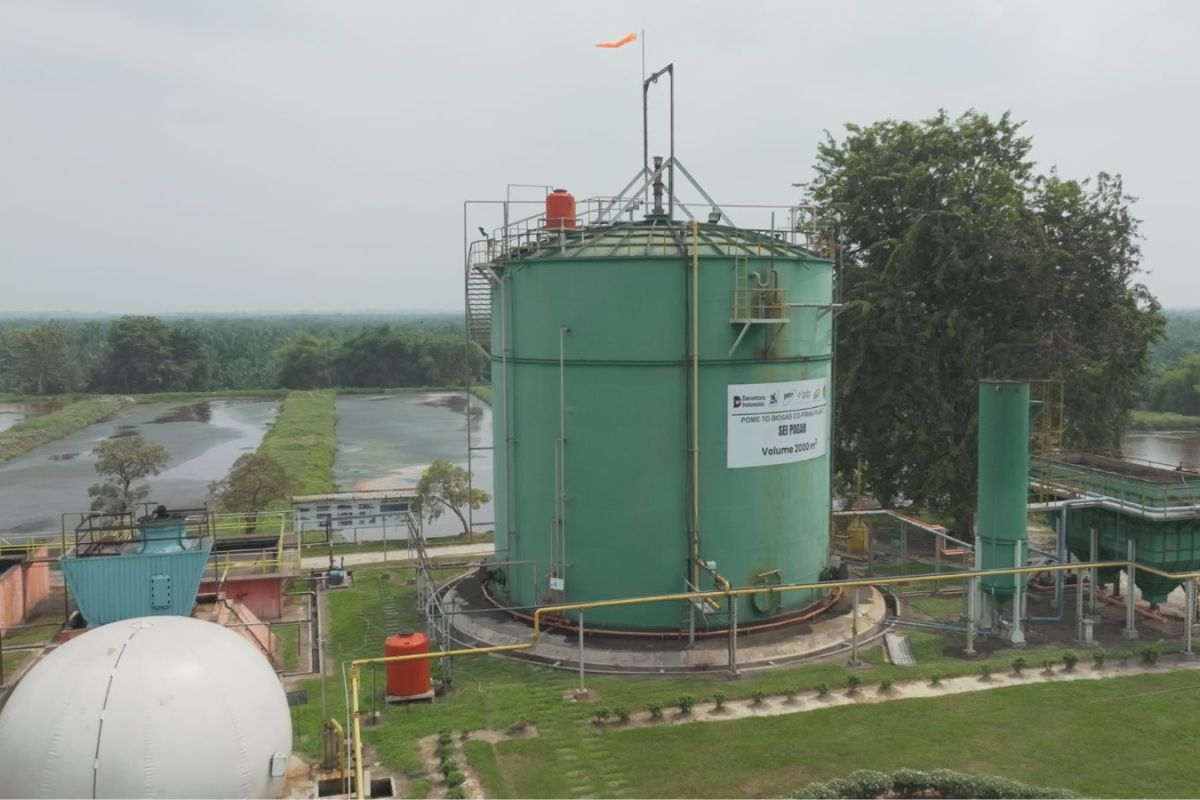
Jakarta (ANTARA) - PT Pertagas Niaga (PTGN) will absorb compressed biomethane gas (CBG) produced by PT reNIKOLA Primer Energi from waste sourced from eight palm oil mills owned by PTPN IV PalmCo to support national energy security.
The President Director of PT Perkebunan Nusantara IV (PTPN IV) PalmCo, Jatmiko K Santosa, stated that utilising palm oil waste for renewable energy is part of the company’s circular economy implementation. “This collaboration reflects our commitment to enhancing operational sustainability while creating added value from existing resources,” Jatmiko said in an official statement received in Jakarta on Friday.
He added that processing methane emissions from palm oil mill effluent into renewable energy can also support low-carbon development in Indonesia. The CBG will be produced by PT reNIKOLA Primer Energi (RPE), an affiliate of the renewable energy developer reNIKOLA Holdings Sdn Bhd.
RPE has signed a long-term CBG sales agreement with PTGN, a subsidiary of PT Pertamina Gas (Pertagas). Under the agreement, PTGN will act as the off-taker for CBG for a period of 15 years.
The development of the eight CBG facility clusters is estimated to require an investment of approximately US$45 million, or around Rp790 billion. Once construction is complete and all facilities are fully operational, the project is projected to supply more than 830,000 MMBtu of renewable energy per year.
Ugun Untaryo, Director of Strategy and Sustainability at PTPN IV PalmCo, stated that the development of these eight facilities is part of PalmCo’s decarbonisation roadmap and aligns with national Net Zero Carbon targets. Within this supply chain, PalmCo provides the raw material from palm oil mill waste, reNIKOLA develops the processing facilities, and Pertagas Niaga acts as the CBG off-taker to distribute it to industrial consumers.
reNIKOLA Chief Operating Officer Amran Yusof said the scheme connects raw material availability, gas infrastructure, and long-term market demand to build a biomethane ecosystem in Indonesia. “By bringing together raw material suppliers, gas infrastructure providers, and long-term market demand, we are building a biomethane ecosystem that can be widely expanded,” said Amran.
To support distribution, PTGN plans to develop biomethane injection stations around the Sei Mangkei Special Economic Zone (SEZ). These facilities are designed to connect the CBG supply from palm oil mills and inject it into the existing gas distribution network.
PTGN President Director Toto Yulianto stated that utilising the gas network could expand industrial consumers’ access to low-carbon energy while optimising existing infrastructure. “Through this collaboration, we are creating a pathway for biomethane to be integrated into the existing gas network, expanding access to cleaner energy while utilising available infrastructure,” said Toto.
Technically, the CBG facilities capture methane gas from the decomposition process of palm oil mill effluent (POME) and process it into biomethane. Based on company estimates, the operation of these eight facilities could reduce greenhouse gas emissions by up to 320,000 tonnes of CO2 equivalent per year.
The company noted that this emission reduction is equivalent to avoiding the burning of approximately 161 million kilograms (kg) of coal per year. Beyond environmental benefits, the company anticipates that the construction and operation of the eight CBG facilities could create thousands of green jobs and empower local supply chains around the plantation operational areas.
Source: jawawa.id (https://jawawa.id/newsitem/pertagas-niaga-to-absorb-cbg-from-palmco-palm-oil-waste-production-via-renikola-1789106697)
Originally published by Antara (Indonesian) (https://www.antaranews.com/berita/5736132/pertagas-niaga-serap-cbg-limbah-sawit-produksi-palmco-renikola), translated from Indonesian