
Persistent Phlegmy Cough and Shortness of Breath? Be Alert to COPD Symptoms
Jakarta (ANTARA) - A prolonged cough accompanied by phlegm is often regarded as an ordinary respiratory problem. However, if it keeps recurring and is accompanied by shortness of breath, it should be treated with caution, as it may be a sign of chronic obstructive pulmonary disease (COPD).
COPD is a long-term lung disease that obstructs airflow through the airways. It develops gradually, so its symptoms often go unnoticed until they begin to interfere with everyday activities.
What is COPD, what are its symptoms, and who is at risk?
Chronic obstructive pulmonary disease, or COPD, occurs when the airways become narrowed or lung tissue is damaged, making it difficult to breathe out normally.
Two conditions commonly associated with COPD are chronic bronchitis and emphysema. Chronic bronchitis causes inflammation in the bronchial tubes and increases mucus production, while emphysema damages the alveoli, or air sacs, in the lungs.
As a result, it becomes harder for air to leave the lungs and breathing is less efficient. Over time, people with the disease may become short of breath, particularly when walking, climbing stairs or undertaking physical activity.
COPD is a chronic disease that generally worsens gradually. Although it cannot be completely cured, appropriate treatment can help manage symptoms and slow its progression.
COPD symptoms can develop slowly, so they are often mistaken for an ordinary cough, the effects of smoking or reduced stamina with age.
Symptoms to look out for include:
A prolonged cough, with or without phlegm.
Excessive phlegm production, particularly in the morning.
Shortness of breath that becomes more noticeable during activity.
Wheezing or whistling sounds when breathing.
A feeling of heaviness or discomfort in the chest.
Becoming tired easily and having less ability to carry out activities.
In more advanced cases, people may also experience unintended weight loss or swelling in the legs.
COPD symptoms can suddenly worsen, for example when a person develops a respiratory infection. This is known as an exacerbation and may require immediate medical attention.
What causes COPD?
Long-term exposure to substances that irritate the lungs is a key factor in the development of COPD. Cigarette smoke is one of the most important causes, affecting both smokers and people who are continually exposed to second-hand smoke.
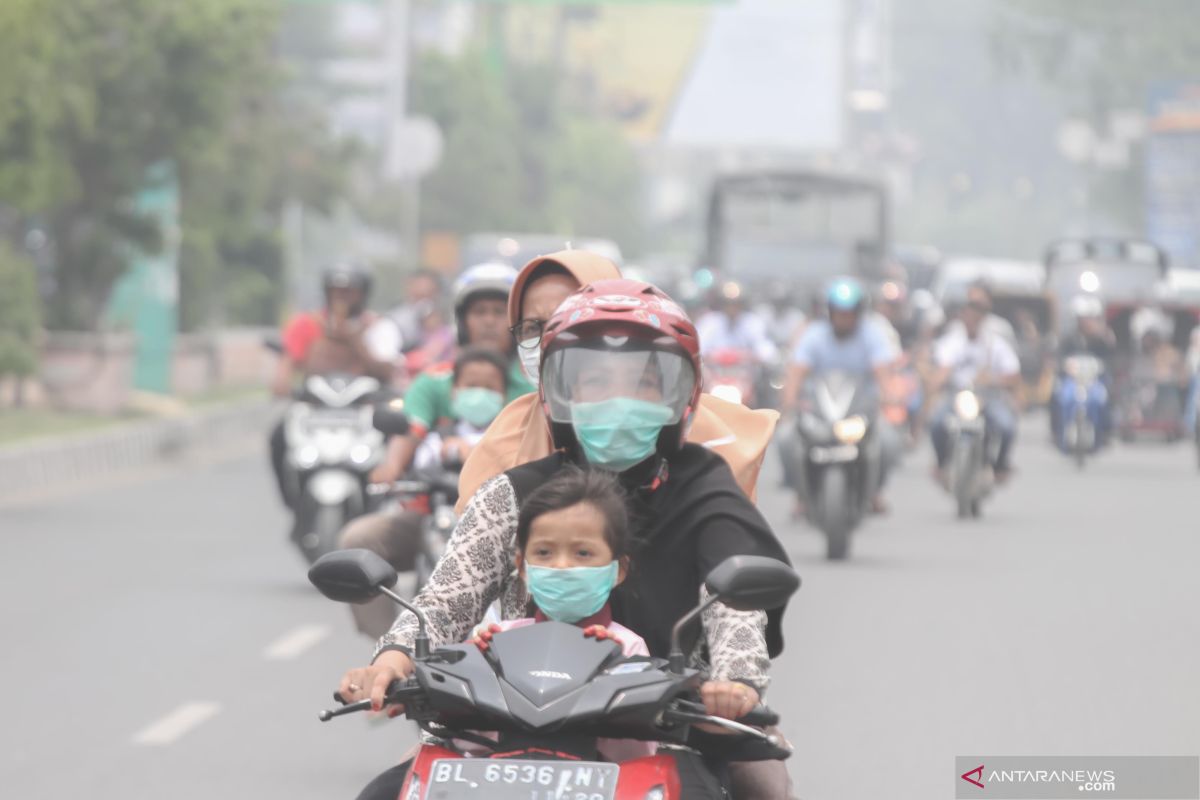
The risk of COPD can also increase through exposure to air pollution, vehicle emissions, dust and chemicals at work, and smoke from burning wood or cooking fuels.
Age and genetics can also play a part. Although COPD is more commonly found in middle-aged and older people, it does not affect only smokers or older adults.
People who do not smoke should therefore also pay attention to symptoms if they have a history of long-term exposure to pollution or irritants.
COPD cannot be confirmed on the basis of a cough or shortness of breath alone. A doctor will assess a patient’s medical history, smoking habits, exposure to pollution and symptoms.
One important test is spirometry, a lung function test that measures the amount and speed of air a person breathes. It helps establish whether airflow is obstructed.
COPD treatment may include inhaled medicines prescribed by a doctor, pulmonary rehabilitation, physical activity adapted to the patient’s condition, and oxygen therapy for those who need it.
Quitting smoking and avoiding exposure to pollution are also important steps in reducing the risk of the disease worsening.
When should you seek medical advice?
If a cough persists, is often accompanied by phlegm, or comes with worsening shortness of breath, people should seek care at a health facility. Do not wait until everyday activities are affected before seeking help.
Seek emergency care immediately if shortness of breath becomes severe, speaking is difficult because of breathlessness, or the lips appear bluish.
Recognising COPD early can help people receive appropriate treatment. A prolonged cough does not always mean COPD, but recurring symptoms, especially when accompanied by shortness of breath, should not be dismissed as an ordinary cough, according to Indonesia’s Ministry of Health and other sources.
Source: jawawa.id (https://jawawa.id/newsitem/persistent-phlegmy-cough-and-shortness-of-breath-be-alert-to-copd-symptoms-1794624687)
Originally published by Antara (Indonesian) (https://www.antaranews.com/berita/5853327/batuk-berdahak-dan-sesak-napas-waspadai-gejala-ppok), translated from Indonesian