
Perhapi: Due diligence in mining company acquisitions must scrutinise permits
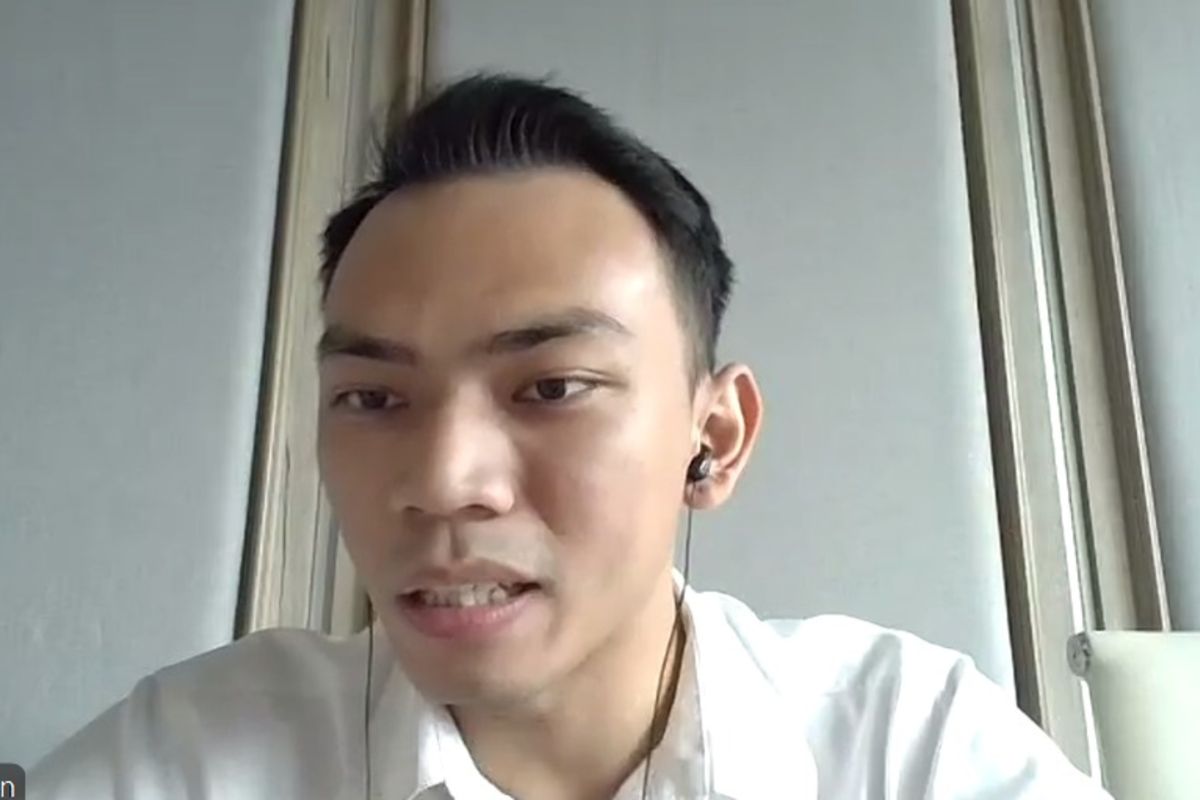
Jakarta (ANTARA) - Wilson Fu, a member of the Legal Advocacy division of the Indonesian Mining Experts Association (Perhapi), believes that due diligence in the acquisition of mining companies must trace the acquisition of permits and the fulfilment of obligations over previous years.
“We must check the acquisition of permits; we must check whether obligations have been implemented every year or not,” Wilson stated during the Perhapi Knowledge Sharing session themed ‘Mining Legal Compliance’ in Jakarta on Monday.
He explained that due diligence on mining companies needs to be comprehensive, covering corporate, licensing, labour, taxation, and legal dispute history aspects.
According to him, the licensing aspect is one of the primary differentiations compared to other sectors because mining companies must meet various requirements to obtain permits and fulfil numerous obligations after the permits are issued.
Therefore, an inspection is not sufficient to merely ensure the existence of a permit at the time of the transaction; it is also necessary to trace the permit acquisition process and the company’s track record in fulfilling obligations.
Wilson exemplified that inspections could include the implementation of reclamation plans, the preparation of post-mining plans, the placement of reclamation guarantees, and the completeness of periodic reports over several previous years.
He noted that such tracing is necessary so that potential investors obtain a more complete picture of the legal condition of the company being targeted for investment or acquisition.
“So, if asked whether the difference is significant or not, it is actually very significant,” he said.
This context arises amidst a large wave of investment in the downstream sector. The Ministry of Investment and Downstreaming/BKPM recorded national investment realisation in the first semester of 2026 at Rp1,010.6 trillion, with downstream investment amounting to Rp300.1 trillion, or 29.7 per cent of the total investment realisation.
Downstream investment is still dominated by mineral commodities. In the second quarter of 2026, bauxite downstream investment reached Rp40.1 trillion, followed by nickel at Rp29.4 trillion and copper at Rp16.7 trillion. Total downstream investment during that period reached Rp152.7 trillion.
From a governance perspective, the Ministry of Energy and Mineral Resources (ESDM) emphasised that holding a Mining Business Licence (IUP) alone is insufficient to conduct mining activities.
The Directorate General of Minerals and Coal of the Ministry of ESDM, in its evaluation process, examines, among other things, the completeness of administrative and legal licensing, the alignment of mining plans, environmental obligations including reclamation guarantees, mining safety, and state revenue obligations.
The Director General of Minerals and Coal, Tri Winarno, stated that every approval is granted only after all required aspects are declared to meet the provisions. The Ministry of ESDM refers to this supervision as part of strengthening mining governance.
From the investment climate perspective, the Minister of Investment and Downstreaming/Head of BKPM, Rosan Roeslani, stated that the government is maintaining investment momentum through the simplification of business licensing, strengthening the investment ecosystem, accelerating the development of industrial zones and downstreaming, and improving the quality of service to investors.
Wilson added that the abundance of applicable regulations means that those conducting due diligence also need to understand the mining business process to assess company compliance according to its operational stages.
This business process includes stages ranging from general investigation, exploration, feasibility studies, and construction to mining, transportation, and sales.
According to Wilson, understanding the business process helps legal teams understand the context of every provision that a company must fulfil.
“So, on one hand, we must familiarise ourselves with reading the regulations, and on the other hand, we must continuously try to learn the business processes,” said Wilson.