
Perbanas hopes PFII creates added value for Indonesian economy
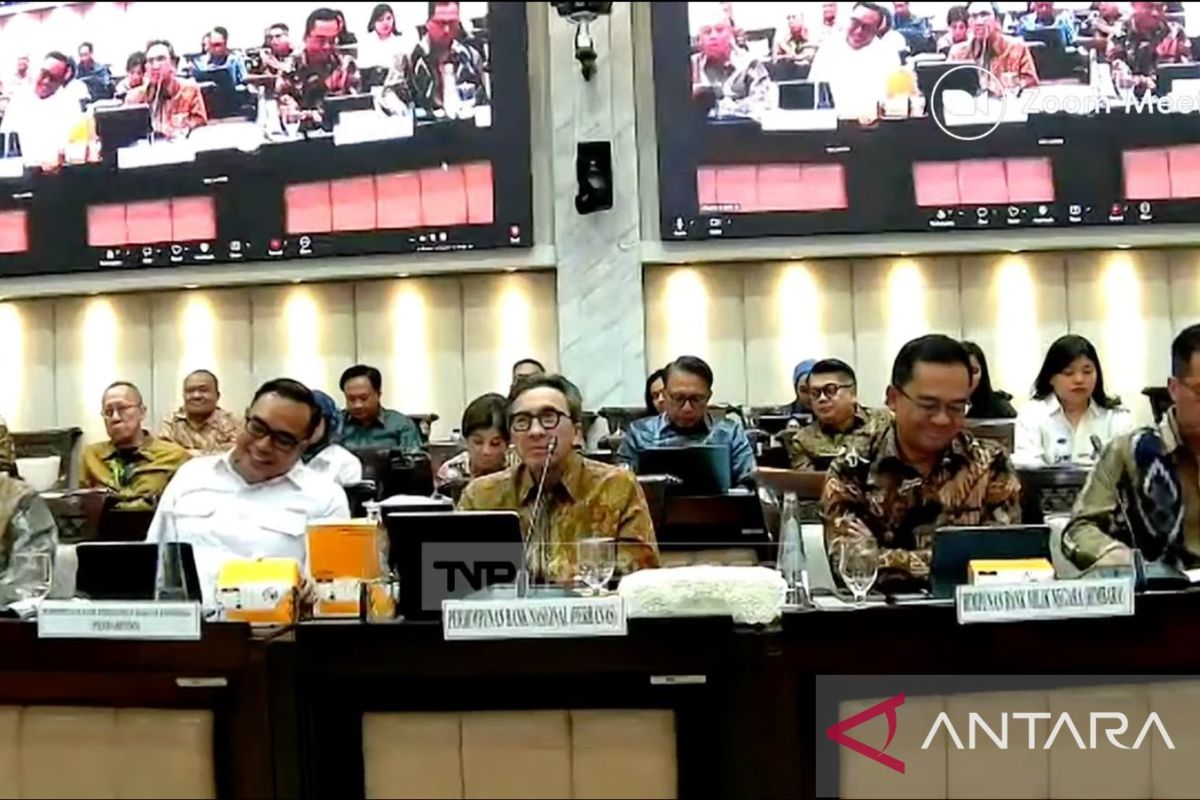
The Indonesian Banks Association (Perbanas) hopes the International Financial Centre Indonesia (PFII) ecosystem will create added value for the national economy by attracting new foreign investment rather than simply recycling existing capital. “We feel there must be an additive element, there must be incoming capital, this FDI. And hopefully, this capital is not Indonesian money going out and then coming back in, round tripping. If that happens, we might all end up in a lose-lose situation, rather than a win-win,” said Perbanas Vice Chairman Tigor M. Siahaan during a hearing with the House of Representatives’ PFII Bill Working Committee in Jakarta on Thursday. According to Tigor, the success of the PFII must be measured by its ability to bring in new capital that genuinely adds to the economy’s capacity, not just recirculate existing funds. Furthermore, the PFII is expected to create new financial service business lines similar to those developed in Singapore and Hong Kong, enabling Indonesia to become an investment base for various countries. On the other hand, Tigor also cautioned about several risks that need to be anticipated, ranging from transaction complexity and the potential for money laundering and tax avoidance, to the necessity of a strong regulatory framework as a member of the Financial Action Task Force (FATF). From the domestic financial industry perspective, Perbanas assesses that a successful PFII could potentially increase competition in the national financial industry. Although this may pose a challenge for financial institutions outside the PFII zone, the competition is believed to drive improvements in the industry’s quality and competitiveness. A similar situation occurred when national banks began competing with foreign banks following the liberalisation of the banking sector. “So we hope that the success of the PFII will also hopefully encourage everyone, so that the competition becomes much better,” Tigor said. As a comparison, he cited several international financial centres such as the Dubai International Financial Centre (DIFC), the Singapore Financial Centre, GIFT City in India, and the Hong Kong International Financial Centre. Tigor noted that the success of these financial centres is supported by legal certainty, independent regulators, a competitive tax regime, ease of licensing, and high global investor confidence. Perbanas also assessed that there are six main prerequisites for the development of the PFII, encompassing legal certainty and contract enforcement, consistent and competitive regulations, an attractive tax regime, digital infrastructure and international connectivity, globally standardised human resources, and strong governance, transparency, and investor protection. Referring to international best practices, Perbanas proposed eight steps in developing the PFII ecosystem, including the establishment of a special authority with a one-stop service, legal certainty, competitive regulations and incentives, and the development of a wealth management and family office centre. Furthermore, Perbanas is pushing for the deepening of financial markets, strengthening global talent and innovation, involving Perbanas as a strategic partner, and aligning the PFII with national agendas such as downstreaming, energy security, food security, infrastructure, and the digital economy. “We at Perbanas are ready to be a partner of the PFII. And we also feel that financial institutions, financial markets, and all supporting professions in Indonesia are very ready to be partners so that this PFII becomes a success in Indonesia,” Tigor said.