
Peradi Warns Against Making Asset Seizures a State Revenue Target
The chairman of the National Leadership Council of the Indonesian Advocates Association (Peradi), Ahmad Fikri Assegaf, warned against making asset seizures a target for state revenue, saying such a policy could create moral hazard.
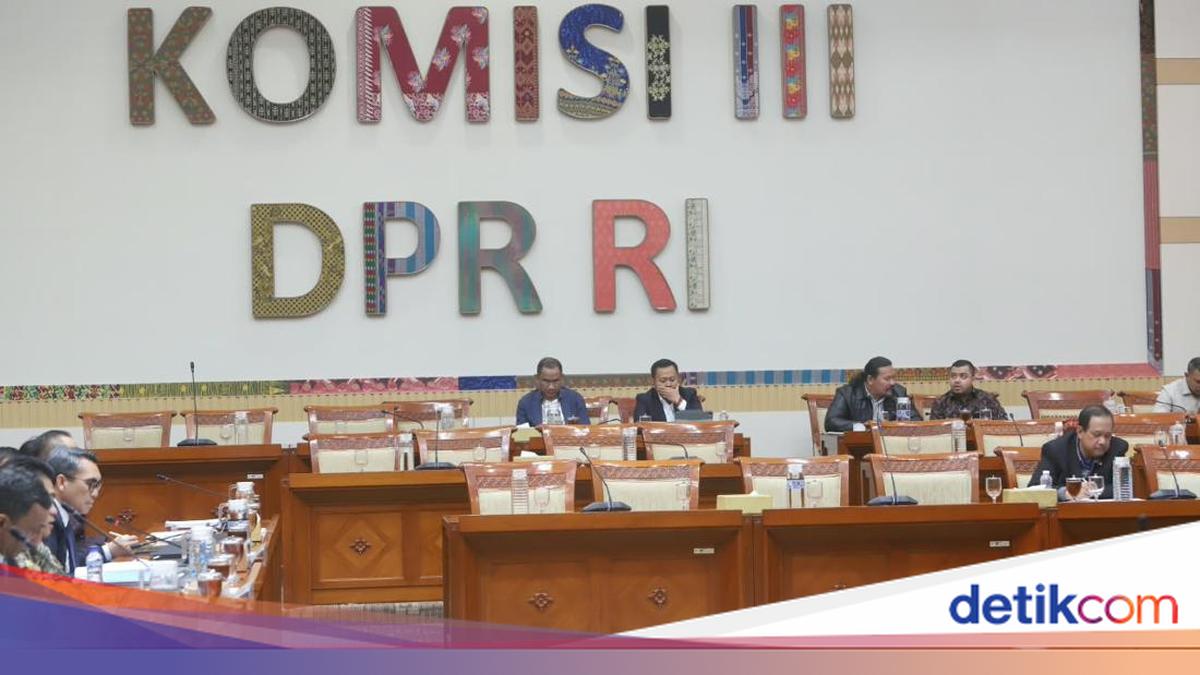
“Asset seizures must not be made a target in terms of value. Once a target is set — a specific amount that must be reached — and especially if seizures are expected to become a source of state revenue, that creates room for creative practices and moral hazard,” Ahmad Fikri Assegaf said at a public hearing with Commission III of the House of Representatives at the parliamentary complex in Senayan, Jakarta, on Wednesday (28 October 2026).
Fikri said pressure to meet targets could encourage improper behaviour. He said similar risks could arise in companies when individuals are given specific targets.
“When people are under pressure to meet a target, they have to fulfil it. This is not limited to law enforcement; in companies too, when people are set certain targets, there is a significant risk of improper behaviour,” he said.
At the same hearing, Peradi deputy chairman Fredik J Pinakunary proposed that the Asset Seizure Bill set clear limits on which assets could be seized. He stressed that the connection between an asset and a criminal offence must be established for each asset, rather than applying to all of an offender’s property.
“We also want to highlight the need for limits to prevent the scope from expanding. The link, or nexus, must be proved for each asset, not for all of the offender’s property,” Fredik said.
Fredik also proposed that legitimate assets, such as inheritances with no connection to a criminal offence, should not be seized. He said heirs’ rights should be protected when they can prove ownership.
“Legitimate assets, such as inheritances and savings, that have no connection or nexus [to a crime] must not be touched,” he said.