
Peradi SAI Proposes Supervisory Board in Advocate Law Revision: There Must Be Oversight
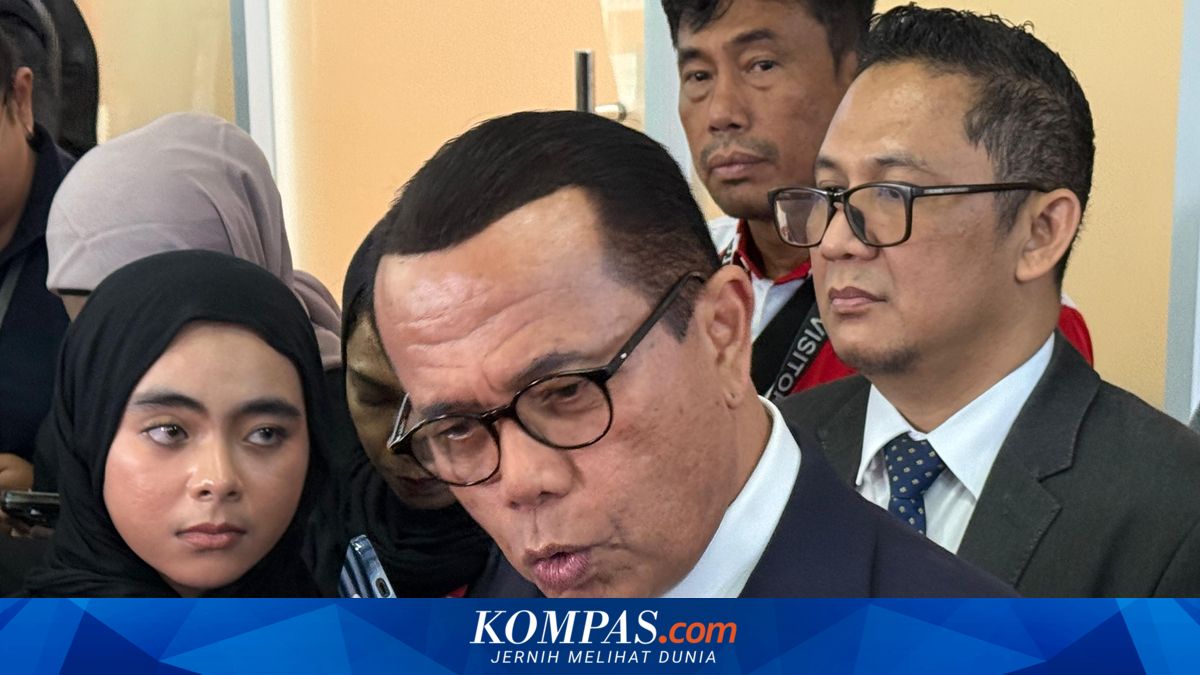
Jakarta - The Chairman of the Board of Trustees of the Indonesian Advocates Association Voice of Indonesian Advocates (Peradi SAI), Juniver Girsang, has proposed the establishment of an Advocate Supervisory Board to strengthen the oversight system in the planned revision of Law No. 18 of 2003 on Advocates as well as the implementation of the new Criminal Code.
Juniver assessed that the continuously increasing number of advocates has not been matched by effective control mechanisms, potentially lowering the quality of legal services to the public.
“There must be supervisors who can observe, control, and monitor the behaviour of advocates so they do not provide services that harm the public,” Juniver stated at the Parliamentary Complex, Jakarta, on Monday (20/4/2026).
He highlighted the absence of uniform ethical code standards across various advocate organisations.
According to Juniver, there are currently more than 140 advocate organisations without an integrated oversight system.
This opens loopholes for advocates who violate the ethical code to switch organisations without clear sanctions.
Therefore, he encouraged the formation of a national-scale Honour Council separate from the Supervisory Board to create a check and balance mechanism.
“No single institution should be too powerful. There must be separation between oversight and honour to prevent abuse of power,” he emphasised.
He stressed the importance of continuous education so that advocates can keep up with legal developments, especially in the context of the new Criminal Code.
According to him, the revision of the Advocate Law must be progressive and oriented towards protecting the public as seekers of justice, while also protecting advocates so they can carry out their profession professionally.
“This is important for the public’s interest and so that advocates can carry out their duties well and responsibly,” he concluded.