
People's Schools to Enrol 28,478 New Students from Extremely Poor Families in 2026
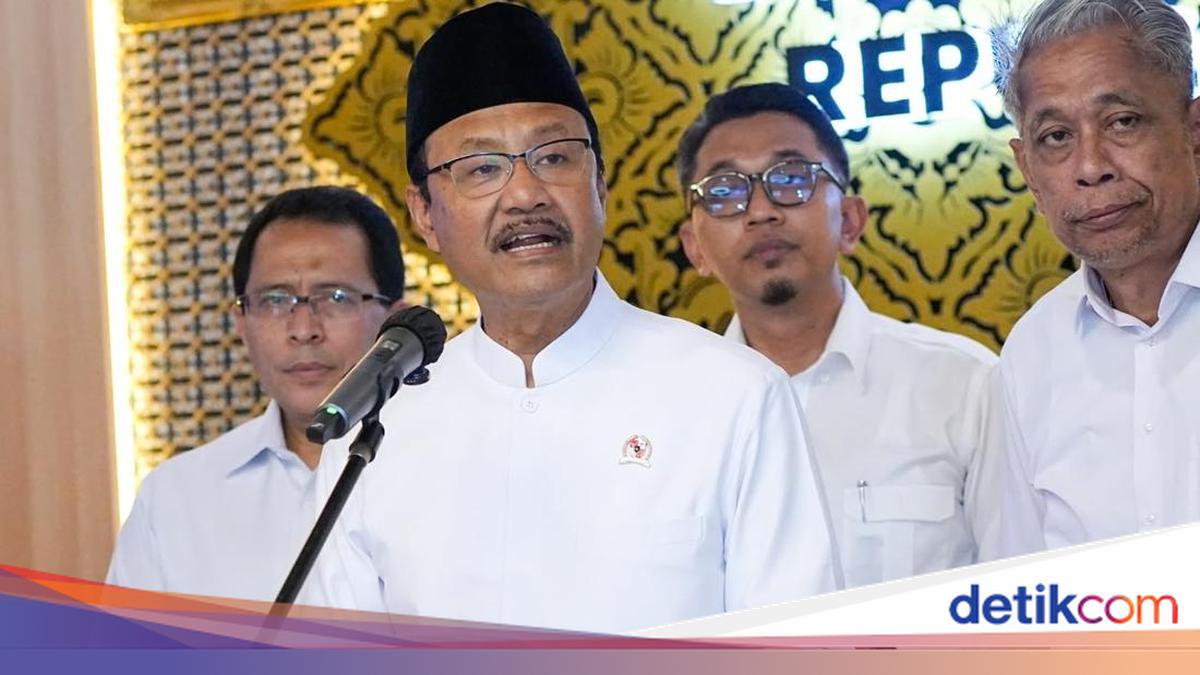
The Ministry of Social Affairs has recorded that 28,478 new students have been designated as pupils of the People’s Schools (Sekolah Rakyat) for the 2026/2027 Academic Year. This figure is expected to continue growing as the verification process, local government decrees, and the readiness of facilities and infrastructure at each educational unit progress.
“The data is constantly moving. What we are conveying today is the data as of today, and it is still possible for it to increase following the results of verification and joint decrees with local governments,” said Minister of Social Affairs Saifullah Yusuf, known as Gus Ipul, in a written statement on Monday (13/7/2026).
Gus Ipul explained that, unlike regular schools, the People’s Schools do not open registration but instead employ an active outreach mechanism targeting prospective students from poor and extremely poor families. “There is no registration for the People’s Schools; what exists is outreach. The outreach is conducted by social assistants in the regions in cooperation with local governments and the Central Statistics Agency (BPS). After being processed through a plenary session in the region and decreed by the regent, mayor, or governor, we then designate them as students of the People’s Schools,” he said.
As of today, 28,478 new students have been designated. When combined with the previous cohort of students who have been studying since last year, the total number of People’s School pupils now reaches 43,346 students spread across 1,550 study groups (rombongan belajar/rombel). “As of today, there are 28,478 new students, and this will continue to grow in line with decrees from local governments and adjustments to the readiness of facilities and infrastructure. If we add the existing students, overall there are 43,346 students in 1,550 study groups,” said Gus Ipul.
Of the total prospective new students, the primary school level (SD) accounts for 6,305 students divided into 210 study groups, the junior secondary level (SMP) accounts for 11,186 students in 373 study groups, and the senior secondary level (SMA) accounts for 11,077 students in 369 study groups. According to Gus Ipul, the number of primary school study groups is relatively smaller compared to other levels because the process of admitting primary school-age children requires a more intensive approach to families. “At the primary school level, the challenge of forming study groups is indeed greater. At this age, parents are often not ready to let their children live far away in boarding schools, so the process of approaching and convincing families requires more time and longer assistance,” he said.
Gus Ipul stressed that all People’s School students come from families classified in Decile 1 and Decile 2 of the National Single Socio-Economic Data (DTSEN). Therefore, the admission process does not use academic tests but is based on the verified socio-economic conditions of the families. “The basis is DTSEN, specifically families in Decile 1 and Decile 2 who are at the lowest or pre-prosperous socio-economic level. Because we do not use academic tests, an adaptation process is needed so that they are ready to participate in learning at the People’s Schools,” he said.