
Pentagon Reveals Bitter Fact: Don't Expect the Hormuz Disaster to End Quickly
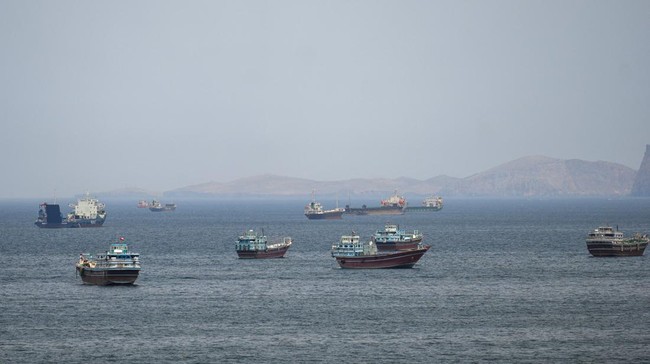
Uncertainty looms over the world’s most vital energy route, casting a shadow on global markets, following estimates that fully recovering the Strait of Hormuz from mine threats could take months, even if the war ends.
A Pentagon assessment states that the process to completely clear the Strait of Hormuz of mines suspected to have been planted by Iran could take up to six months. The report, cited by the Washington Post and AFP, emphasises that this situation could keep oil prices elevated for a longer period.
The Strait of Hormuz, a narrow passage serving as the lifeline for global energy trade, has been effectively closed since the outbreak of war between the United States, Israel, and Iran. This closure has driven surges in oil and gas prices while shaking the global economy.
Under normal conditions, about one-fifth of the world’s oil and gas supply passes through the strait. However, during the fragile ceasefire, the route remains largely closed, especially with the blockade imposed by the United States.
According to the report, even if the conflict stops and the blockade is lifted, the mine-clearing process cannot be done instantly. Officials familiar with the discussions say the operation is likely to begin only after the war truly ends.
The six-month estimate was reportedly conveyed to members of the House Armed Services Committee in a closed briefing. Lawmakers were also informed that Iran has likely placed 20 or more mines inside and around the strait.
Furthermore, some mines are said to use GPS technology, allowing them to drift and be controlled remotely, making them much harder to detect.
However, Pentagon spokesperson Sean Parnell denied the report, calling the circulating information “inaccurate.”
On the other hand, Iran’s Revolutionary Guard Corps has warned of a “danger zone” spanning about 1,400 square kilometres suspected to contain mines.
Tensions have further escalated after Iran’s Parliament Speaker asserted that the country will not reopen the strait while the US naval blockade remains in place.
From the industry side, concerns also come from global shipping players. A spokesperson for German transport company Hapag-Lloyd warned last week that shipping firms need clarity on safe routes, given the high mine threat.
When the Strait of Hormuz was briefly reopened at the start of this month’s ceasefire, only a handful of ships dared to pass through, amid fears of further attacks or the presence of mines.
Previously, the US Navy claimed to have sent ships to begin clearing mines in the route. However, that claim was immediately denied by Iran’s Revolutionary Guard, which even threatened any military vessels attempting to pass.