
Pengambengan Fishing Port Development Projected to Create 25,000 Jobs
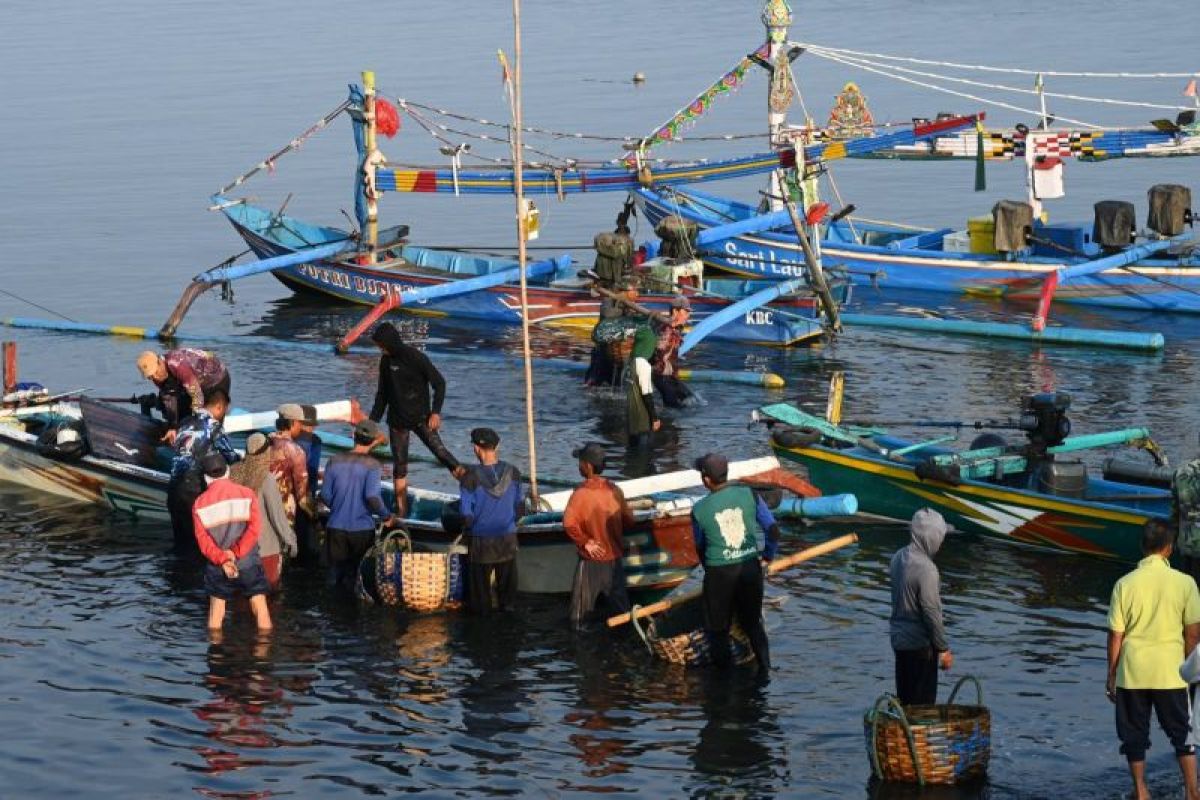
The Ministry of Marine Affairs and Fisheries (KKP) projects that the development of the Pengambermgan Nusantara Fishing Port (PPN) in Jembrana, Bali, could absorb up to 25,000 workers.
Minister of Marine Affairs and Fisheries Sakti Wahyu Trenggono, in a statement in Jakarta on Friday, said the job opportunities arising from the area’s development could be utilised by the local community through training and upskilling.
According to Trenggono, the development of PPN Pengambengan is part of the construction of an integrated fishery industrial zone, with a project value of approximately Rp1.2 trillion.
He noted that the port will eventually serve as a docking location for large fishing vessels that previously operated out of Benoa Port, including tuna fishing boats.
The development of the fishing port is aimed at providing cleaner, more hygienic, and modern fishery facilities to support the increased competitiveness of Indonesian fishery products.
“The hope is that this will be a place that combines a modern fishery industry with tourism,” he said.
Meanwhile, local fishermen hope that the port’s development will also provide alternative employment during the ‘paceklik’ (lean) season, when fishing activities decrease.
Anan, a local fisherman in Pengambengan, expressed that the lean season often forces fishermen into long-term unemployment or compels them to switch professions to manual labour.
He hopes that the presence of facilities such as cold storage and ship repair services can serve as a source of employment for the community when they are not at sea.
“So, there won’t be a need to remain unemployed for so long during the lean fishing season,” said Anan.
Similarly, another fisherman, I Ketut Sumajaya, stated that limited docking space due to siltation has previously made it difficult for ships to carry out fish unloading and loading.
He hopes the port development will smooth loading, unloading, and the distribution of catches to factories and collectors.
“With a modern port, we as fishermen will have easier access in terms of unloading fish and distributing it to factory regions,” he said.