
Pelindo Streamlines 41 Corporate Entities into 24 Units
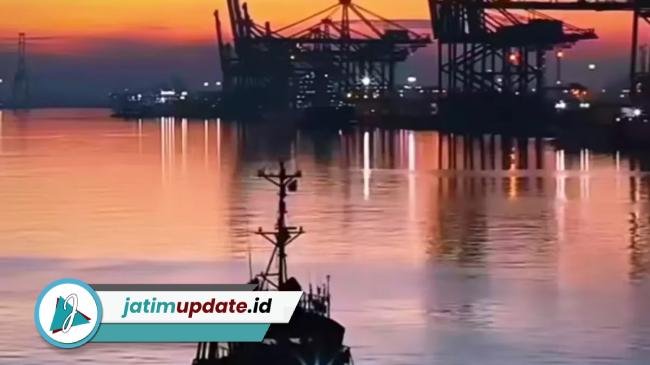
A massive overhaul is underway within Indonesia’s state-owned enterprises, specifically targeting the backbone of the nation’s maritime logistics. PT Pelabuhan Indonesia (Persero), known as Pelindo, has officially begun cutting dozens of its subsidiaries and sub-subsidiaries.
From a total of 41 business entities under the group’s umbrella, the state-owned port operator intends to shrink this number to just 24 companies by the end of 2026. This streamlining process is a crucial phase before the company proceeds further with a comprehensive restructuring of its business model.
Of the 17 entities targeted for restructuring, 11 companies have already completed their corporate actions. Meanwhile, the remaining six entities are targeted for completion no later than 31 December 2026. This portfolio arrangement is being executed through various strategic schemes, including mergers, consolidations, divestments, and liquidations.
Pelindo’s improvements are not merely focused on reducing the quantity of subsidiaries but also on fundamentally changing its operational philosophy. The company is shifting its parent management model from a strategic holding status to an active management model. Under this active management system, the Pelindo holding company will take more direct control over key operational activities at the ports.
This step also clarifies the lines of authority and the division of roles between the holding company, regional offices, service lines, and field business units. The Head of the State-Owned Enterprise Regulatory Agency and COO of the Danantara Indonesia Investment Management Agency, Dony Oskaria, emphasised that this reduction is a mandatory foundational step.
“The transformation is still long, but it begins with streamlining first. After that, we will enter the process of properly arranging our business model,” Dony stated in an official statement in Jakarta on Tuesday.
Pelindo’s internal restructuring is currently running in tandem with its integration into the ecosystem of the Danantara Indonesia Investment Management Agency. This state investment management institution is projected to serve as a major umbrella to accelerate the orchestration of state-owned enterprise assets and investments. Dony noted that Pelindo’s portfolio arrangement has become more directed thanks to the alignment under Danantara.
“The choice to undertake this transformation is a very correct one. Now, consolidation with the presence of Danantara makes all of this possible to achieve,” added Dony.
This structural simplification aims for one primary goal: to clarify the operational function of every entity within the Pelindo Group. A leaner organisational structure is expected to cut through complex internal bureaucracy, accelerate decision-making, and reduce national port operational costs.
The transformation of Pelindo carries impacts far beyond corporate bookkeeping. As the world’s largest archipelagic nation, port efficiency in Indonesia is key to reducing national logistics costs, which have long been considered a burden on economic competitiveness. The reduction from 41 to 24 business entities serves as a clear signal that this maritime transport SOE is striving to shed bureaucratic burdens to become a more agile and highly competitive global entity.
The entity streamlining phase is scheduled to be completed by 2026. However, the true test will lie in how this restructuring can lower logistics costs and accelerate the flow of goods across the nation’s ports.