
Pelindo Regional 2 Plants 250 Trees to Support Port Decarbonisation
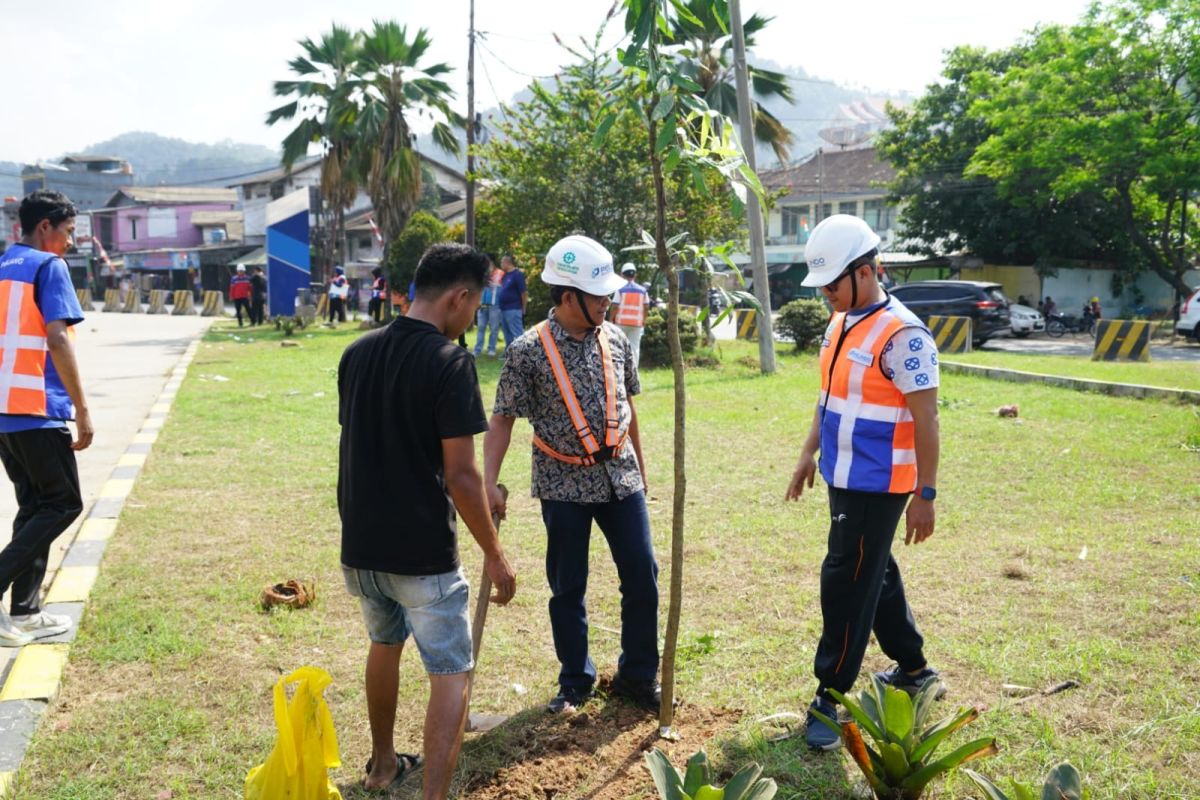
Bandarlampung (ANTARA) - PT Pelabuhan Indonesia (Persero), or Pelindo Regional 2 Panjang, has planted 250 tree seedlings in the port area as part of its Greenbelting Programme, in support of decarbonisation efforts and the creation of a greener, more resilient and sustainable port.
General Manager of Pelindo Regional 2 Panjang, Hardianto, speaking in Lampung on Saturday, said the activity forms part of the company’s commitment to integrating sustainability into every aspect of its operations.
“World Environment Day serves as a moment for us to strengthen our commitment to sustainable environmental management. Through the planting of 250 tree seedlings under the Greenbelting Programme, we are not only creating green spaces within the port area, but also building a system that supports measurable monitoring and measurement of carbon absorption,” he said.
According to him, the Greenbelting programme developed by Pelindo Regional 2 Panjang is intended not only to expand open green space in the port area, but is also designed to facilitate the monitoring of plant growth and the calculation of carbon sequestration.
The tree planting was carried out at several strategic points around the port which have the potential to be developed into green zones. With an integrated layout, the company can more accurately measure the contribution of vegetation in absorbing carbon emissions as part of efforts to support national decarbonisation targets.
Beyond improving air quality, the presence of vegetation is expected to create a more comfortable working environment, reduce heat impacts, and increase biodiversity around the port’s operational areas.
“This step is part of Pelindo Regional 2 Panjang’s contribution to supporting the decarbonisation agenda and realising a greener, more resilient and sustainable port,” said Hardianto.
He affirmed that Pelindo Regional 2 Panjang will continue to promote various sustainability initiatives through responsible environmental management, energy efficiency, and collaboration with stakeholders to create a port ecosystem that benefits communities, the environment and businesses.
The move also supports the achievement of the Sustainable Development Goals (SDGs) and the application of Environmental, Social and Governance (ESG) principles in the port sector.
The programme has also been carried out at several other branches within Pelindo Regional 2’s area, including Banten, Bengkulu, Cirebon, Pangkal Balam, Pontianak, Sunda Kelapa, Tanjung Pandan and Tanjung Priok.