
Pelindo Petikemas Contributes Rp1.73 Trillion to National Finances
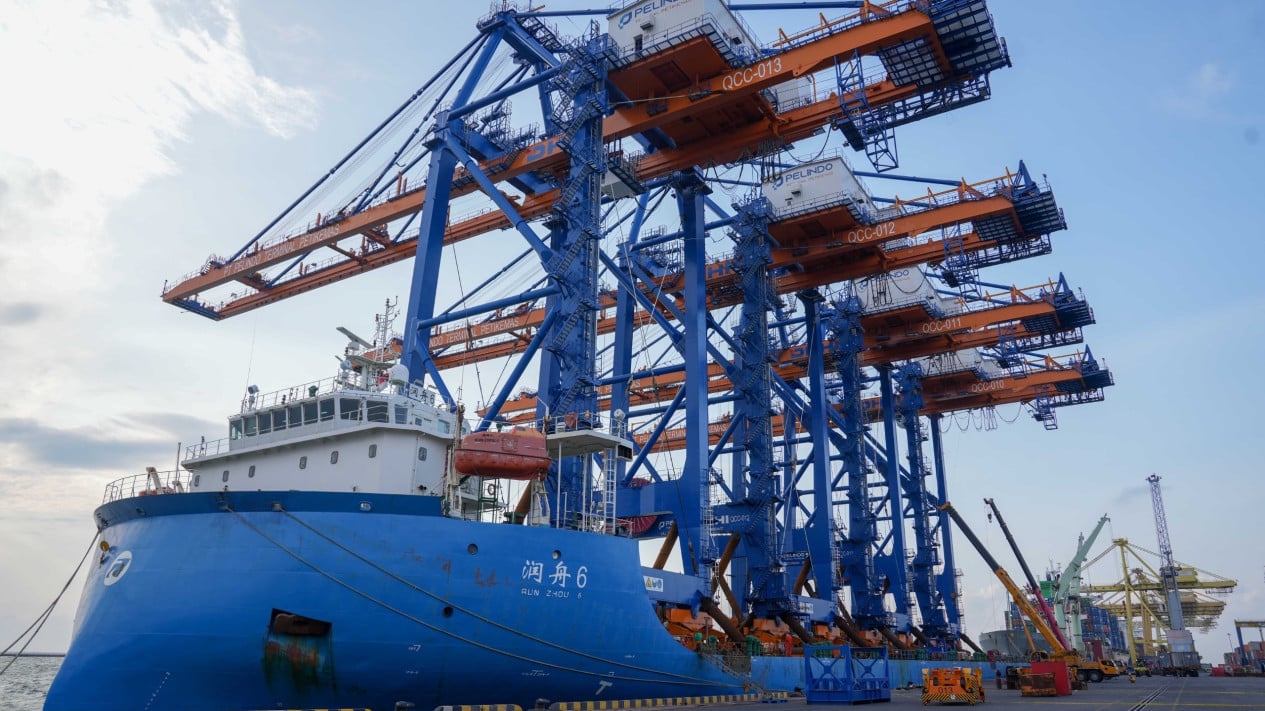
PT Pelindo Terminal Petikemas recorded a contribution to the nation of Rp1.73 trillion for the entire year of 2025. This contribution underscores the company’s strong role in supporting national fiscal health.
The contribution comprises tax payments of Rp1.45 trillion, Non-Tax State Revenue (PNBP) of Rp55.59 billion, and concession payments of Rp224.5 billion. Within the tax payments, the largest contribution came from Value-Added Tax (VAT) at Rp485.45 billion, followed by significant contributions from Corporate Income Tax (Article 25/29) at Rp360.13 billion and Personal Income Tax (Article 21) at Rp267.35 billion.
Corporate Secretary of PT Pelindo Terminal Petikemas, Widyaswendra, stated that the company’s contribution to the nation demonstrates compliance with government regulations and obligations. He added that the Rp1.73 trillion contribution reflects the company’s commitment to supporting the national economy.
‘This support is a tangible demonstration of the company’s role within the Pelindo Group in contributing to national development through the State Budget (APBN),’ he said on Tuesday, 26 May 2026.
He expressed confidence that increased logistics and trade activity would see the port sector remain a key pillar of Indonesia’s economic growth. Efficient container terminal services are expected to reduce national logistics costs, accelerate goods distribution, strengthen export competitiveness, and sustainably increase government revenue.
This is reinforced by data from Statistics Indonesia (BPS), which showed the national transportation and warehousing sector grew 8.98% year-on-year in the fourth quarter of 2025. The figure underscores logistics as a key driver of the national economy.
Anton Agus Setyawan, Professor of Management at the Faculty of Economics and Business at Muhammadiyah University of Surakarta (UMS), assessed that Indonesia’s logistics sector has significant growth potential as cross-island and international trade activities increase.
‘Indeed, the logistics business began growing in Indonesia from the early 2000s, coinciding with the rise of industrial mechanisms engaging in cross-island and international trade,’ he said when contacted on Friday, 22 May 2026.
‘As an archipelagic nation, Indonesia requires a robust distribution system to ensure efficient supply chains. Anton noted that infrastructure development in recent years has supported the logistics sector, particularly through toll road construction. However, he stressed that port development and the implementation of the sea toll concept still need optimisation.’