
Peat Monitor: BPGMN must be able to stop sources of peatland degradation
Jakarta (ANTARA) - The organisation Pantau Gambut assesses that the plan to establish the National Peat and Mangrove Management Agency (BPGMN) must be capable of improving governance to stop the sources of peatland degradation and ensure that recovery proceeds in a measurable manner.
“The government needs to first disclose the legal basis and institutional design of the BPGMN to the public. More importantly, it must ensure that the mandate of this institution is capable of addressing peatland governance issues, rather than merely introducing a new structure,” said Putra Saptian, Senior Campaigner at Pantau Gambut, in a statement in Jakarta on Friday.
BPGMN must also protect the ecological functions of peatlands and ensure the accountability of concession holders.
According to him, the design and mandate of the BPGMN should ultimately be evaluated based on its ability to achieve such improvements.
Based on Presidential Regulation Number 120 of 2020, the previous Peatland and Mangrove Restoration Agency (BRGM) was also a non-structural institution under the direct responsibility of the President.
“Therefore, BPGMN cannot be judged solely by its institutional position, personnel composition, or budget size,” he said.
According to him, a decade of institutional experience shows that the existence of a specialised agency does not, in itself, produce ecological recovery.
“Restoration achievements are still too often measured by the number of activities, the extent of intervention, and the infrastructure built, while changes in ecosystem conditions are not always adequately examined,” said Putra Saptian.
As many as 52 per cent of monitored intervention sites still have groundwater levels below the safe threshold, leaving the peatland dry and vulnerable to fire.
“Pantau Gambut’s analysis of peatlands burned during the 2015–2019 period also found that only 3 per cent returned to being forest,” said Putra Saptian.
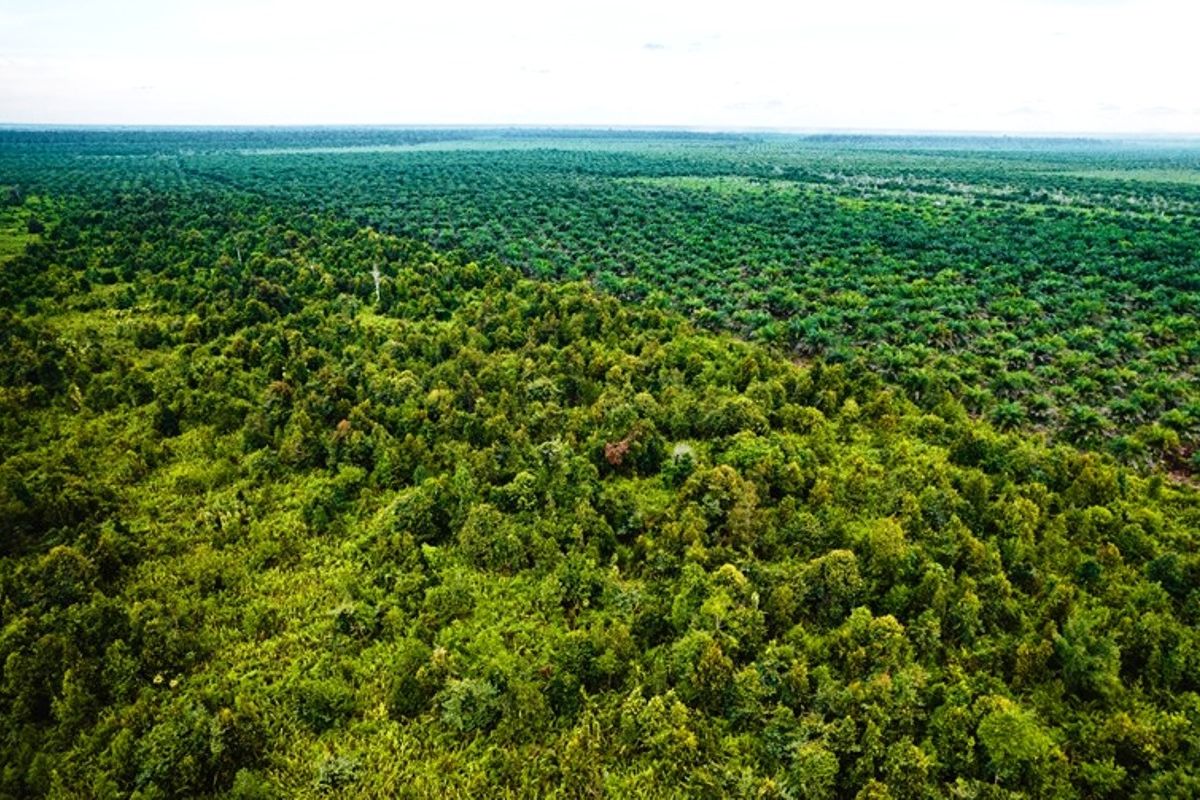
Approximately 41 per cent changed into scrubland, while 54 per cent transitioned into monoculture plantations, primarily oil palm.
“These findings show that the success of restoration cannot be concluded solely from the amount of infrastructure or the extent of activities,” he said.
Source: jawawa.id (https://jawawa.id/newsitem/peat-monitor-bpgmn-must-be-able-to-stop-sources-of-peatland-degradation-1790334512)
Originally published by Antara (Indonesian) (https://www.antaranews.com/berita/5758508/pantau-gambut-bpgmn-harus-mampu-hentikan-sumber-kerusakan-gambut), translated from Indonesian