
Peak Return Flow on H+5 and H+7 of Eid, 10 Ships Deployed on Kayangan-Poto Tano Route
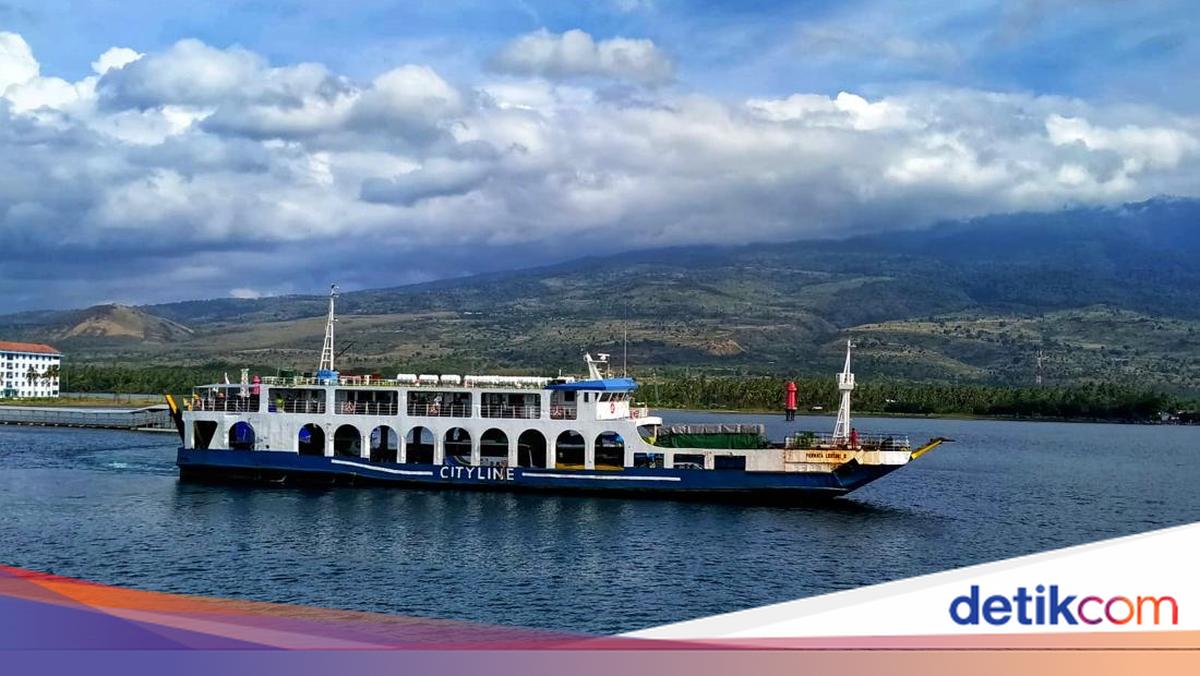
The Transportation Agency (Dishub) of West Nusa Tenggara Province (NTB) has prepared 10 ships to handle the Eid return flow in 2026 on the crossing route from Kayangan Port in East Lombok to Poto Tano Port in West Sumbawa. The entire fleet is on standby to serve passengers during this weekend’s peak return flow.
Head of the Land Transport Division of Dishub NTB, Khaerus Sobri, stated that preparations for the return flow are focused on several key transportation points in NTB, including ferry ports, airports, and terminals.
“For the Kayangan-Poto Tano route, this year around 10 active ship fleets have been prepared to ensure smooth return flow,” said Sobri when confirmed on Thursday night (26/3/2026).
In addition to adding ferry fleets, Dishub NTB is also operating integrated posts for 24 hours, conducting fitness checks on all modes of transport, and strengthening cross-agency coordination.
To anticipate congestion in the port area, Dishub NTB is implementing several schemes, including the Ferizy online ticketing system, provision of vehicle buffer zones before entering the port, traffic engineering, and staggered departure scheduling.
“Schemes prepared to reduce congestion,” he emphasised.
Based on passenger movement data, the peak return flow in NTB is estimated to occur on H+5 to H+7 of Eid, with two main waves on the Kayangan-Poto Tano route. The second peak return flow is mentioned on 29 March, dominated by students and university students.
“The latest data shows that for the Poto Tano-Kayangan port, there are two peak return flow waves, namely 24 March for government and private employees and 29 for students and university students,” he revealed.
Furthermore, the government is anticipating potential traffic density due to the return flow overlapping with increased tourist visits to several flagship destinations in NTB.
Sobri said Dishub is addressing density and traffic jams at several points by implementing a lane separation system. “Strategies implemented include separating tourist vehicle lanes and return vehicle lanes, as well as strengthening real-time traffic information,” he stressed.