
Peak of 2026 Dry Season: Schedule, El Niño, and BMKG Recommendations
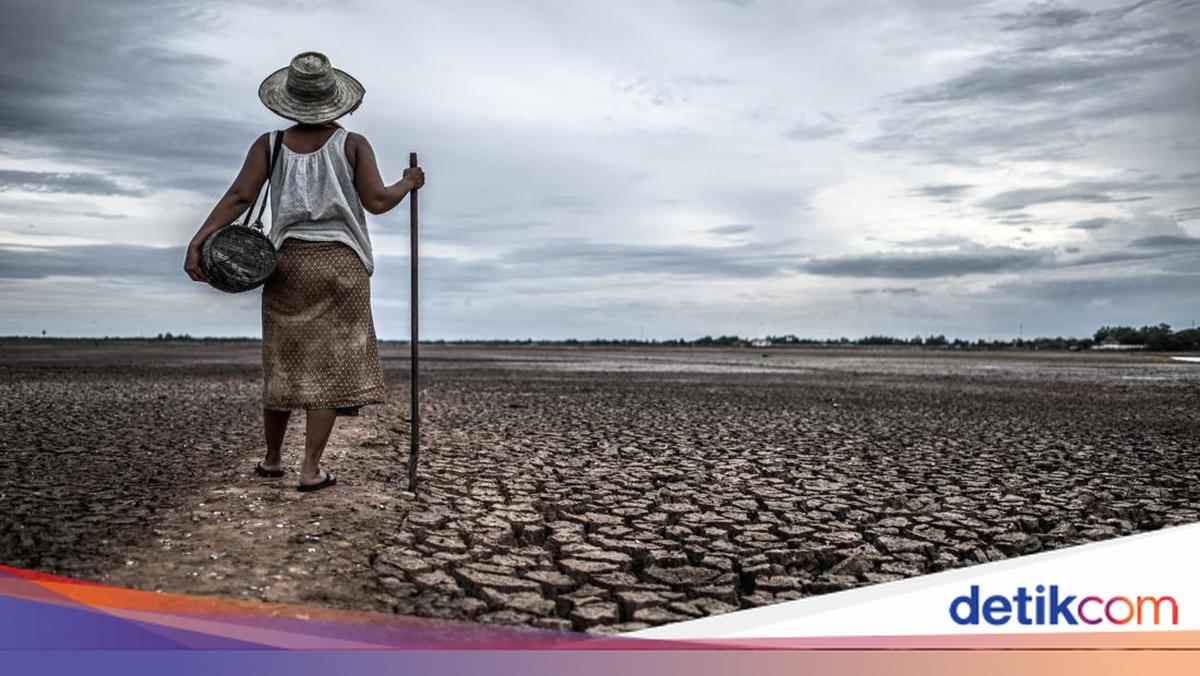
The Meteorology, Climatology, and Geophysics Agency (BMKG) predicts the peak of the 2026 dry season will occur in the coming months. This condition warrants attention from the public and various sectors as it could be influenced by the ongoing El Niño phenomenon.
Information regarding the schedule of the 2026 dry season peak and the development of El Niño is crucial for anticipatory measures to address potential impacts. BMKG has also prepared a number of recommendations for the government and the public to reduce risks that may arise during the dry period.
Referring to information released by BMKG on Thursday (18/6/2026), the peak of the 2026 dry season is predicted to occur between July and September 2026. Of this period, August is expected to be the month with the most widespread impact.
BMKG reminds all communities to enhance preparedness for the dry season’s impacts, which could be amplified by the El Niño phenomenon. Anticipatory steps are needed to minimise the risk of losses across various sectors, from food to public health.
According to BMKG, the peak of the dry season will not occur simultaneously across Indonesia. The following is a breakdown of the predicted peak dry season periods for 2026:
In July 2026, 83 Seasonal Zones (ZOM), or approximately 12.26% of Indonesia’s territory, are predicted to experience the peak of the dry season. These areas include parts of Sumatra, small parts of Kalimantan and Java, southern East Nusa Tenggara, northern West Sulawesi, western Central Sulawesi, a small part of Maluku, southern Southwest Papua, central West Papua, and eastern Papua.
In August 2026, 369 ZOM, or about 48.84% of the territory, are expected to reach the peak of the dry season. Affected areas include central Sumatra, most of Java, Bali, West Nusa Tenggara, parts of East Nusa Tenggara, most of Kalimantan, parts of Sulawesi, parts of Maluku and North Maluku, and most of Papua Island.
In September 2026, 169 ZOM, or around 25.41% of the territory, are predicted to experience the peak of the dry season. These areas include the Bangka Belitung Islands, most of South Sumatra, Lampung, a small part of Java, most of East Nusa Tenggara, southern Kalimantan, most of Sulawesi, most of North Maluku, parts of Maluku, and central Papua Pegunungan.
Based on BMKG calculations in early June 2026, the El Niño phenomenon is predicted to persist until early 2027. This condition is one of the factors that must be monitored during the dry season.
BMKG estimates there is a 98% chance that El Niño will reach a moderate category. Meanwhile, the chance of El Niño reaching a strong category is estimated at 62%.
Nevertheless, BMKG explains that the direct impact of this phenomenon on Indonesian territory is expected to last throughout the dry season until October 2026.
To face the dry season and the potential impacts of El Niño, BMKG has provided a number of recommendations to various sectors.
For the food sector, BMKG suggests adjusting planting schedules and using water-efficient, drought-resistant crop varieties.
For the water resources sector, revitalisation of reservoirs and repair of clean water pipeline networks are needed to maintain water supply for the community.
In the energy sector, BMKG recommends ensuring dam water capacity remains safe to support the operation of hydroelectric power plants.
Meanwhile, in the health sector, local governments are asked to prepare rapid responses to anticipate declining air quality that could trigger an increase in acute respiratory infections.
BMKG Head Teuku Faisal Fathani emphasised that the agency continues to coordinate and provide assistance to various stakeholders in facing the current climate conditions. “BMKG is actively communicating, coordinating, and providing assistance to stakeholders at the regional level, such as local governments, Forkopimda, BPBD, and all parties requiring more detailed information and how to mitigate and adapt to the current climate conditions,” he stated in an official release on Thursday (18/6/2026).