
Peak Exodus 2026 Predicted in Two Waves; Days to Avoid
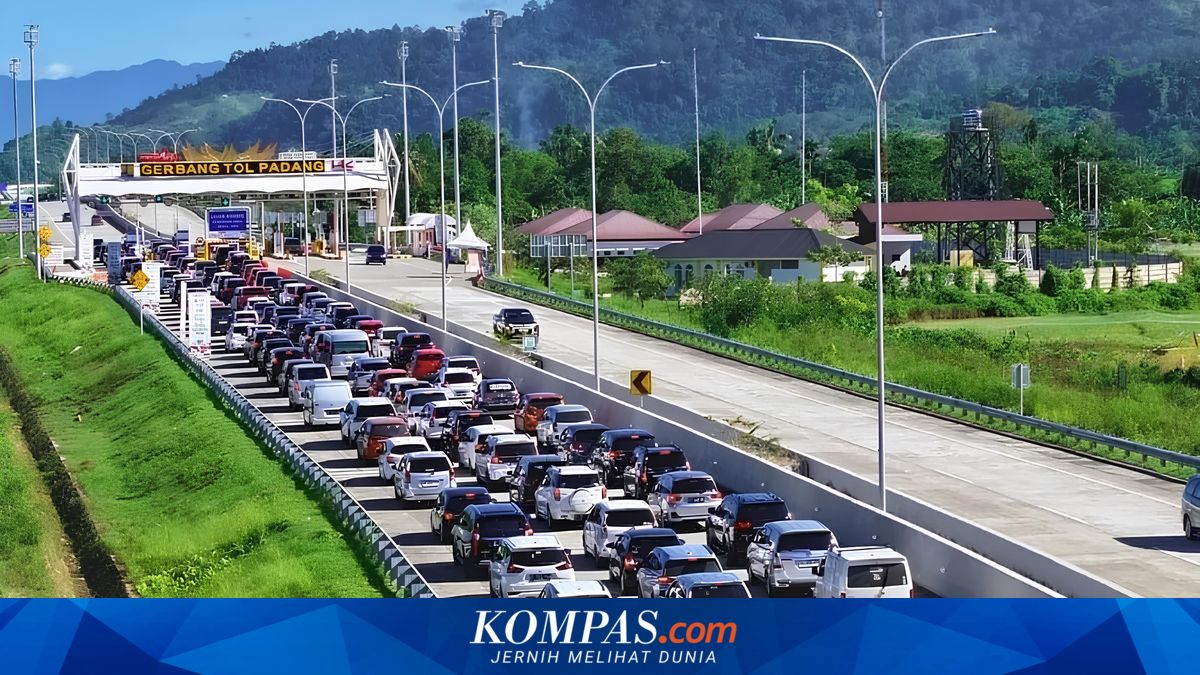
The flow of homebound travellers during the 2026 Eid holiday is not expected to concentrate on a single day. The Indonesian Road Toll Regulatory Agency (BPJT) predicts that travel congestion to hometowns will be distributed across two major waves that could trigger traffic jams on several primary toll routes.
Consequently, travellers are advised to schedule their journeys carefully and, where possible, avoid days predicted to see peak vehicle movement. Vehicle preparation and travel supplies should also be arranged more thoroughly before departure.
“As we approach Eid 2026, ensure that your homebound journey is well prepared so you can arrive at your destination safely and comfortably,” wrote the official Instagram account @pupr_bpjt on Saturday, 14 March 2026.
BPJT predicts that peak exodus traffic will occur in two waves. The first wave is estimated to take place on 14–15 March 2026, whilst the second wave is predicted to occur on 18 March 2026.
Meanwhile, the return traffic is also estimated to occur in two waves, on 24 March 2026 and 28–29 March 2026.
To avoid disruptions during the exodus journey, pay attention to five key factors for safe travel.
Additionally, toll tariffs from Jakarta to Semarang, Solo, Yogyakarta, and Surabaya for the 2026 Eid period are available.
Furthermore, a list of toll routes offering a 30 per cent tariff discount is provided.
However, several toll routes on Java Island have different discount implementation schedules, namely:
It should be noted that schedules and discount rates may change at any time according to government policy.