
Peace with the US: Iranian Hardliners Fear Being Sidelined
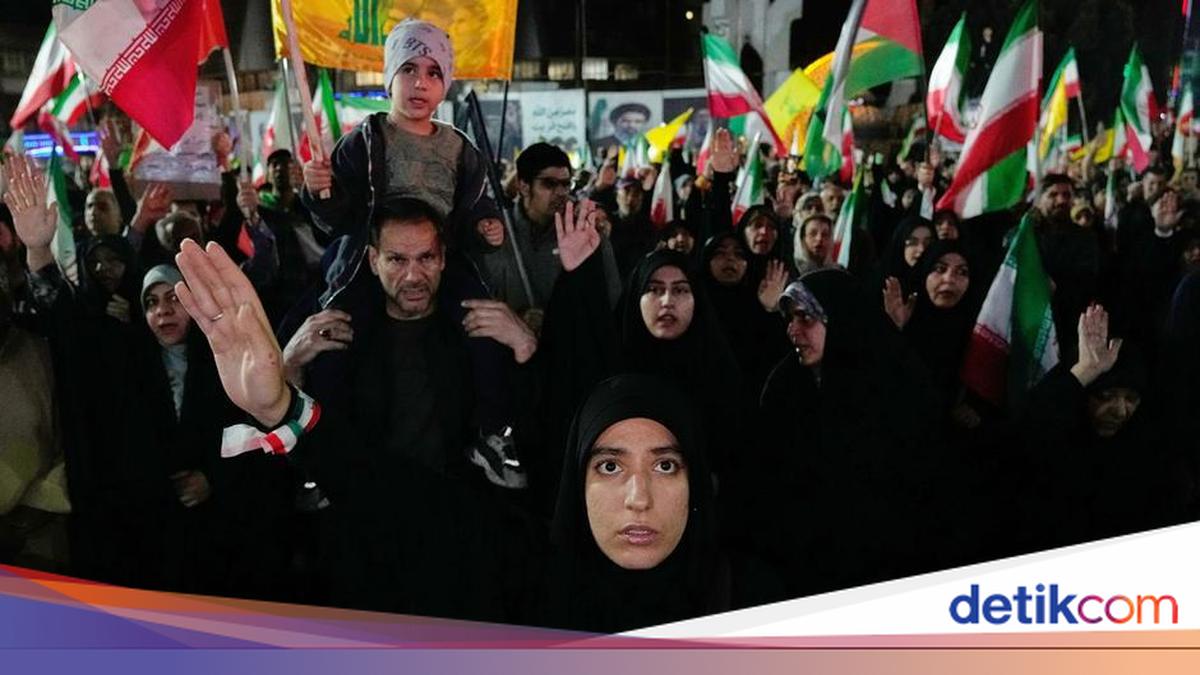
Hardline groups in Iran, previously relatively quiet during the war, are now campaigning against the terms of an agreement with the United States, accusing the government of betrayal. The backlash is not limited to speeches or media reports; supporters of the regime have taken to the streets. Dozens protested outside the Foreign Ministry in Mashhad, and anger also erupted in Tehran. Videos and photos circulating in Iranian media showed demonstrators in Ibn Sina Square calling for the resignation of Foreign Minister Abbas Araghchi and Parliament Speaker Mohammad Bagher Ghalibaf, with some protesters reportedly calling for violence against them.
Mahmoud Nabavian, deputy chairman of the Parliament’s National Security Commission and a figure close to the ultra-conservative Paydari Front, has openly criticised parts of the memorandum of understanding. He reportedly objected to what he described as Iran’s lack of meaningful control over the Strait of Hormuz and ambiguity regarding the commitment to withdraw US military forces from the region. The criticism reflects a broader pattern in recent media coverage, where hardliners view the MoU as leaving too many issues unresolved while shifting Iran’s bargaining position and abandoning the wartime narrative of resistance for a peacetime narrative of compromise.
Analysts suggest the hardliners’ reaction stems from an existential fear. Babak Dorbeiki, a London-based political analyst and former official at Iran’s Center for Strategic Research, told DW that for the Paydari camp, this is no longer a tactical disagreement. He argued that negotiations create a political environment unfavourable to hardliners who rely on confrontation. If the regime’s legitimacy begins to shift from ideological confrontation towards state pragmatism, economic management, and diplomacy, the political current built on permanent mobilisation and securitisation risks losing its relevance.
Reza Alijani, a Paris-based analyst, noted that the hardliners are a minority even within the ruling minority. He believes they lack decisive influence at the top but can still create grassroots pressure. Alijani predicts the authorities will allow the hardliners to voice their protests and hold limited demonstrations, but will then rein them in once the leadership’s policy direction is set. He views the protests as an effort by hardline factions to signal their existence and demonstrate that any move towards a deal with Washington will carry domestic political consequences.