
Peace Between the US and Iran Once Again Within Reach
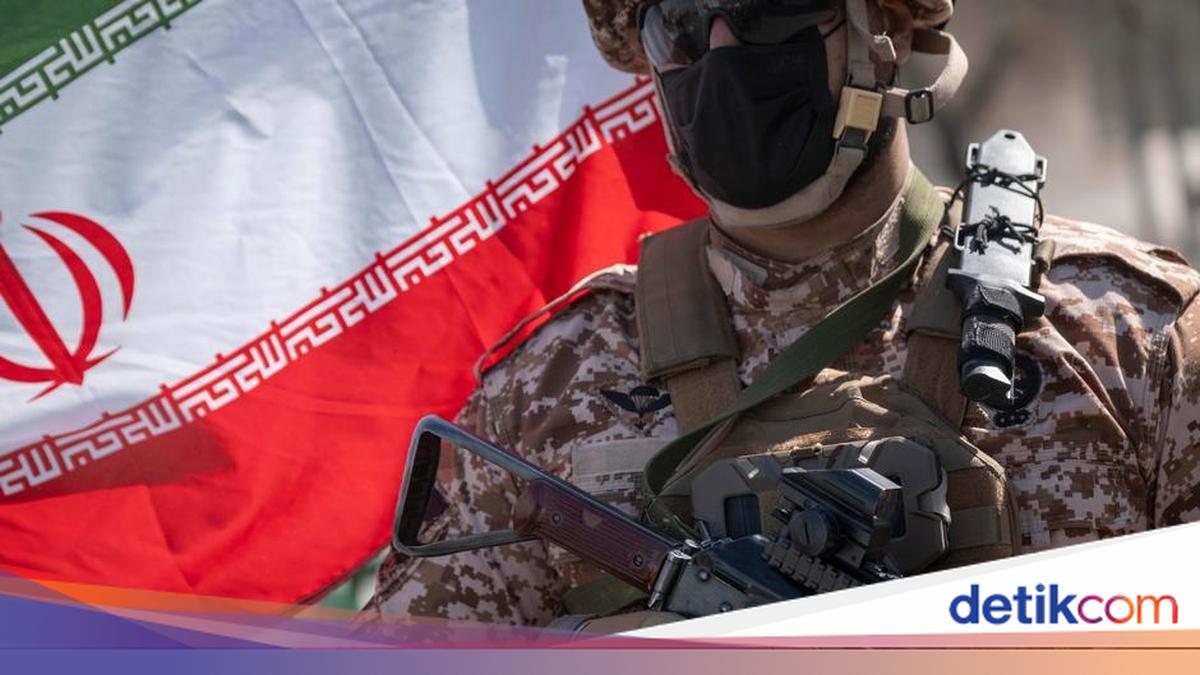
The prospect of peace between the United States and Iran has strengthened once again after a series of statements from both sides indicated significant progress in negotiations that have been ongoing for several months. Officials say the agreement under discussion is now at its closest stage to resolution.
The development has raised new hopes for an end to a conflict that has long affected stability in the Middle East region. Several countries involved in the mediation process have also begun preparing follow-up steps ahead of the possible signing of a peace agreement in the near future.
A strong signal towards peace emerged after Pakistani Prime Minister Shehbaz Sharif announced that a final draft of the peace agreement between the US and Iran had been achieved. Pakistan, which is acting as mediator, is said to be working closely with both parties to complete the next stages.
“We can confirm that the final agreed peace text has been reached and Pakistan is now working closely with both sides to finalise the next steps,” Sharif wrote via his X account, as reported by AFP on Saturday (13/6/2026). He also affirmed optimism about the process, stating, “Peace has never been this close.” The statement aligns with a number of positive signals previously conveyed by Iranian and US officials regarding the progress of negotiations.
From Washington, the White House said Iran has agreed to a performance-based deal that requires a number of concrete steps before sanctions relief is granted. A White House official said Iran’s nuclear material will be destroyed and transferred, while the country’s nuclear programme will be dismantled. Additionally, “none of their money will be released until they meet their obligations,” as reported by Anadolu Agency on Saturday (13/6/2026). The official also said the Strait of Hormuz will remain open and Iran will agree to stop funding “terrorist groups.” US Vice President JD Vance stressed that Iran will not receive any funds merely for signing an agreement or attending a meeting.
In Tehran, the Iranian government stated that most issues in the negotiations have reached a convergence point. Iranian Foreign Ministry spokesman Esmaeil Baghaei said the process is now entering the final stage of internal review. “At present, understanding has been reached on most issues, and we are in the final stages of internal review,” Baghaei said on state television on Saturday (13/6/2026). According to him, a number of relevant institutions in Iran are still holding discussions to determine the country’s final position on the draft that has been prepared. Baghaei also declined to confirm various reports circulating about the contents of the agreement, citing that details will only be announced after the finalisation process is complete.
Iranian Foreign Minister Abbas Araghchi revealed that the Islamabad Memorandum of Understanding being drafted will serve as the basis for officially ending the conflict on various fronts. “The end of the war will be announced on all fronts, including Lebanon,” Araghchi said. He explained that the document also contains commitments not to start a war, not to threaten the use of force, and to respect each country’s sovereignty. According to Araghchi, for the first time in nearly five decades, the US has explicitly stated its respect for Iran’s sovereignty. After the memorandum of understanding is signed, both parties will enter a second phase of negotiations lasting approximately 60 days to discuss more detailed issues such as sanctions removal, the nuclear programme, and Iran’s reconstruction.
Beyond ending the conflict, management of the Strait of Hormuz is one of the main points in the discussions. Araghchi said the arrangement for the strategic shipping lane will undergo changes in accordance with the interests of Iran and Oman as the countries holding sovereignty over the area. “The Strait of Hormuz is under the sovereignty of Iran and Oman,” he said. On the other hand, the issue of enriched uranium remains a sensitive topic. Iran stressed that if the material must be handled, the only acceptable method is dilution within Iranian territory. “Our position has always been that if highly enriched uranium is to be dealt with, the only acceptable method is dilution inside Iran,” Araghchi said.
Araghchi stated that the signing of the memorandum of understanding could possibly take place within the next few days once all negotiation stages are complete. The signing process is planned to be conducted digitally and remotely by each party. “As soon as the final stage of our negotiations is completed, this agreement will be signed and announced,” he said in an interview with state television, as reported by AFP on Saturday (13/6/2026). Meanwhile, Switzerland has offered Geneva as the location for the official signing if both countries agree. The Swiss government said it continues to maintain close communication with the US and Iran to support conflict resolution efforts.
Although optimism continues to strengthen, Iran still warned of potential obstacles to the process. Araghchi accused certain parties, especially Israel, of attempting to derail the agreement. Iranian Parliament Speaker Mohammad-Baqer Qalibaf also warned the US to comply with all commitments that will be agreed upon. “Commitments made must be honoured. No ifs, no buts, no excuses,” he stressed in a post on social media platform X, as reported by Iranian media Press TV on Saturday (13/6/2026).