
PDIP Opens Option for Parliamentary Threshold Above 4 Per Cent
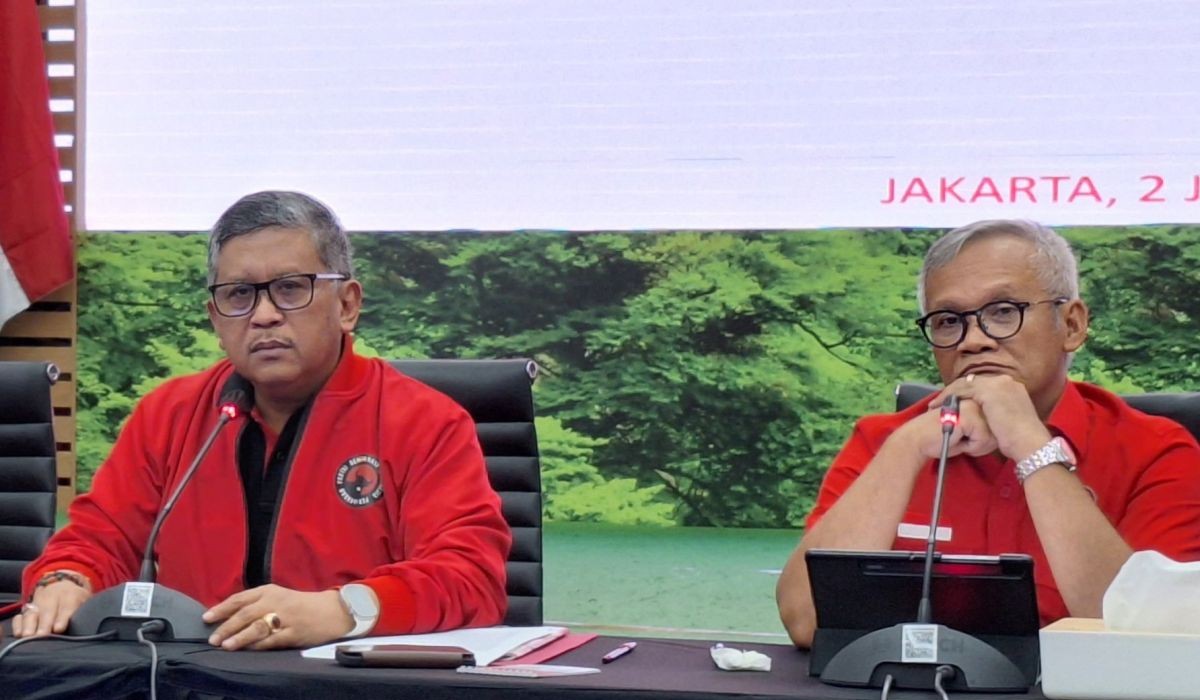
Aria Bima, Vice Chairman of Commission II of the House of Representatives (DPR) from the PDIP faction, stated that the discussion regarding the parliamentary threshold needs to be based on the effectiveness of faction work within the DPR. He noted that the 4 per cent figure is not ideal when considering the minimum number of members required for a faction to perform its functions in commissions and other parliamentary bodies.
According to Aria, this measure of effectiveness can be calculated from the needs of faction members across the 13 commissions of the DPR. He estimated that each commission should ideally be composed of at least three members from each faction to effectively carry out various duties and assignments.
“If we calculate the effectiveness per faction within the commissions, realistically, two members are insufficient. One is even worse; three is what is effective,” he said in Jakarta on Wednesday (16/9).
With the requirement of three members per commission, Aria calculated that approximately 39 members would be needed for a single faction, based on 13 commissions multiplied by three members. This figure does not yet account for the involvement of members in the eight DPR bodies, special committees (pansus), working committees (panja), and other assignments.
On that basis, Aria stated that the size of the parliamentary threshold must consider the overall composition of DPR members. If the number of DPR members remains around 580 or increases to 600 to 620 seats, he believes the 4 per cent figure does not reflect the needs for faction effectiveness.
“So, if the number of DPR members remains at 580 or increases to 600, then it certainly will not be 4 per cent. Because 39 is more than 4 per cent,” he said.
Aria mentioned that the discussion regarding the threshold is also inseparable from political communication between parties. He noted that there are ongoing discussions to build a consensus, including the range of the parliamentary threshold figure.
However, Aria emphasised that the discussion is not solely about the threshold figure. Other matters, such as increasing the number of DPR seats and the range of seats in each electoral district (dapil), are also being discussed.
“It is certain that it will not be 4 per cent, but rather above 4 per cent. That is where the parliamentary threshold will involve various negotiations, perhaps between 5 and potentially 10 per cent,” Aria remarked.
He explained that determining the figure should ideally begin with the operational needs of each commission. In addition to legislative functions, calculations must also consider budgetary and oversight functions, as well as the involvement of members in the eight DPR bodies and various special committees.
Therefore, Aria stated that the ideal limit must be calculated based on the performance needs of parliament. He noted that the 4 per cent figure falls below those needs, while the final figure remains part of the political discussions between factions.
“Ideally, it should come from performance calculations. Based on performance, it certainly cannot be 4 per cent. So, how much could it be? Above 4 per cent,” he said.
In these discussions, Aria stated that PDIP’s position will be determined through the party’s internal mechanisms. He mentioned that the allocation of PDIP seats will be discussed by the faction and the Central Executive Board (DPP), including through communications led by PDIP Chairperson Megawati Soekarnoputri.
According to Aria, political communication regarding the parliamentary threshold is proceeding alongside discussions on the total number of DPR seats. Furthermore, the DPR is discussing the range of seat allocations in each electoral district, which previously varied between three to 10 seats, and the possibility of changing this composition.
Aria added that these discussions relate to the principle of public representation within the electoral system. He assessed that the design of electoral districts needs to be considered so that fewer voter votes result in a lack of representation in parliament.
Aria mentioned that reducing ‘wasted votes’ is part of the constitutional engineering that is subsequently translated into legislation. He noted that the considerations of the Constitutional Court are also part of the discussion to strengthen the principle of representativeness.
One option he highlighted is reducing the range of the number of seats in a single electoral district. With a smaller number of seats per district, the number of electoral districts could potentially increase, thereby expanding the representation of voters’ voices.
Source: jawawa.id (https://jawawa.id/newsitem/pdip-opens-option-for-parliamentary-threshold-above-4-per-cent-1789556081)
Originally published by Media Indonesia (https://mediaindonesia.com/politik-dan-hukum/934074/pdip-buka-opsi-ambang-batas-parlemen-di-atas-4-persen), translated from Indonesian