
PDIP: Article 33 of 1945 Constitution Implementation Must Not Mirror Papua, Aceh Practices
JAKARTA, KOMPAS.com - The Indonesian Democratic Party of Struggle (PDIP) has highlighted the implementation of Article 33 of the 1945 Constitution regarding state-controlled resources, stressing that it should not mirror practices in Aceh, Papua, and other regions.
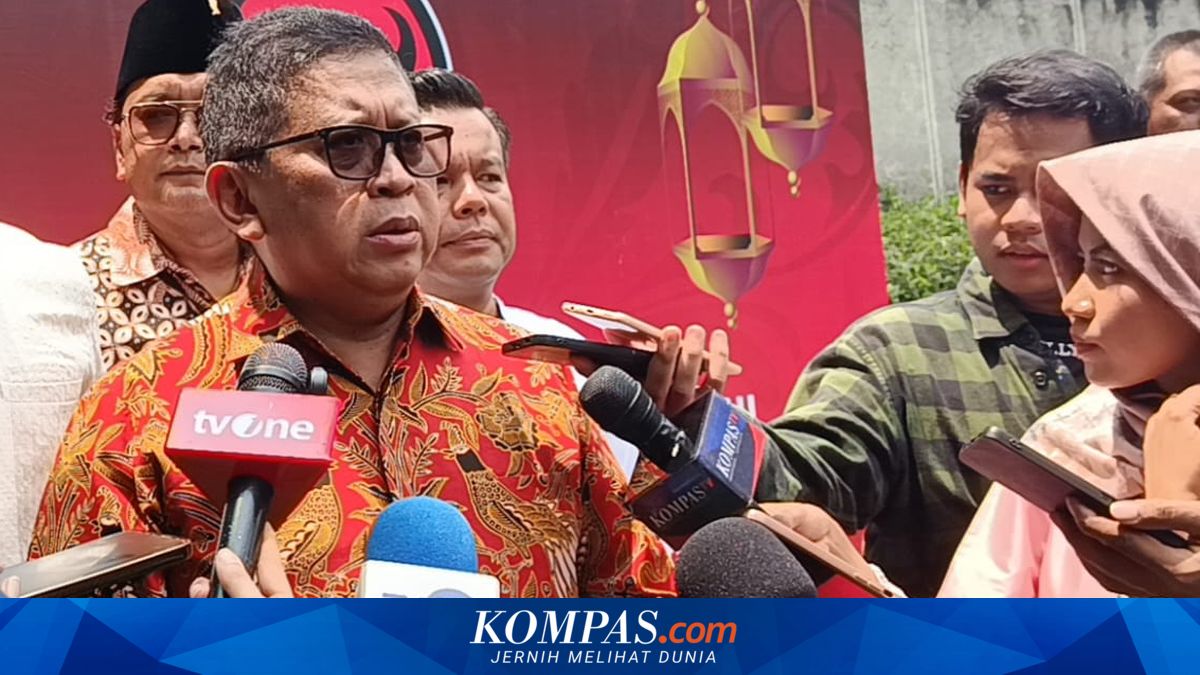
“It’s not merely about ‘state control’ – the focus must be on the people as the core, foundation, and ultimate beneficiaries. Do not replicate what has happened in Papua, Aceh, and other Indonesian provinces,” said PDIP Secretary-General Hasto Kristiyanto during the Pancasila Birth Anniversary ceremony at the PDIP Party School in South Jakarta on Monday, 1 June 2026.
“The land, waters, and natural resources must be controlled by the state and utilised for the people’s prosperity. The key mandate is for the people to be the basis of policy, the focus, and the primary beneficiaries of the nation’s resources,” Hasto said.
Hasto also noted that in resource-rich regions such as Papua and Aceh, local communities do not benefit from these resources.
Hasto stressed that Article 33’s mandate must be concretely translated into government policies, as national policies must clearly demonstrate benefits for the people.
He added that public policies must also strengthen political sovereignty, economic self-reliance, and national character development.
“To fulfil Article 33’s mandate, Pancasila must be translated technocratically into national government policies. Every policy must clearly benefit the people, political sovereignty, economic self-reliance, and national character development,” Hasto said.
He further stated that mastery of science, technology, research, and innovation is crucial to achieving these goals.
National progress cannot be achieved without improving the quality of human resources.
“The backbone of technocratic policies is the mastery of science, technology, research, and innovation. No civilisation can progress without advancing the quality of education and public health,” Hasto concluded.