
PD Pasar Jaya Introduces Modern Teba Facility at Pasar Minggu for Organic Waste Management
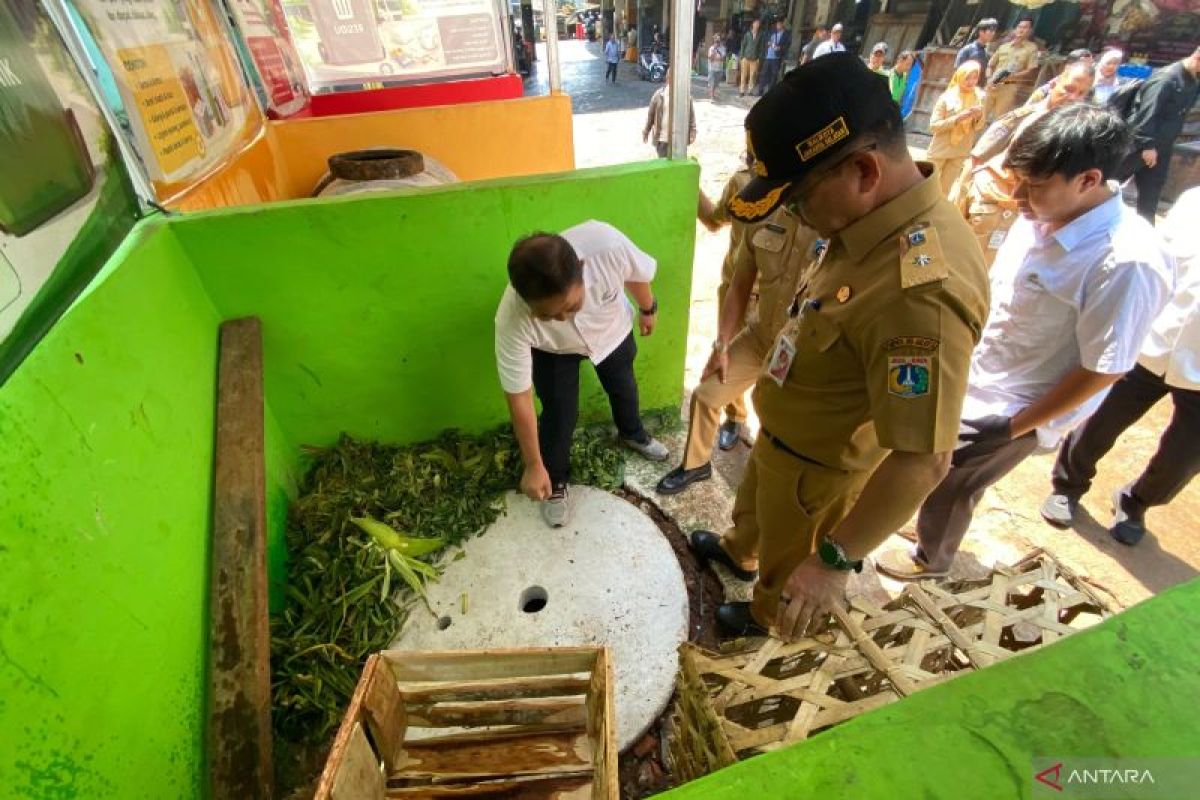
The South Jakarta city administration has praised PD Pasar Jaya for operating a modern teba (composting pit) at Pasar Minggu market to manage organic waste. “The management here is quite good because waste separation is done from the start. The waste that goes into the modern teba is organic waste,” said South Jakarta Mayor Syafrin Liputo during a visit to Pasar Minggu on Monday. Syafrin stated that the facility has a processing capacity of approximately six to eight tonnes of waste per day. The presence of this facility is considered capable of significantly reducing the volume of waste entering the temporary disposal site around the market. In addition to organic waste management, the market also manages non-organic waste for further sorting. “Meanwhile, non-organic and residual waste is taken to another location for further sorting,” he said. The Pasar Minggu sub-district in South Jakarta is developing a citizen-based circular or sustainable economy concept through waste management at the source, food security, and the utilisation of household waste to provide added economic value. This concept is realised through the development of waste banks, composters, kitchen waste tubes (losida), food cultivation, and the collection of used cooking oil. According to him, these various innovations originated from residents’ ideas, which were then facilitated by the sub-district government together with various stakeholders. He noted that there are currently 12 active waste banks across 10 community units (RW) that routinely weigh inorganic waste every month. In June 2026, the volume of inorganic waste collected reached more than 800 kilogrammes in a single weighing, and in several RWs, weighing has been conducted twice a month. Furthermore, a number of RWs are also developing composters and compost shredding machines to process organic waste into fertiliser.