
PBNU: Improving NU Institutional Governance Must Begin with Strengthening Etiquette
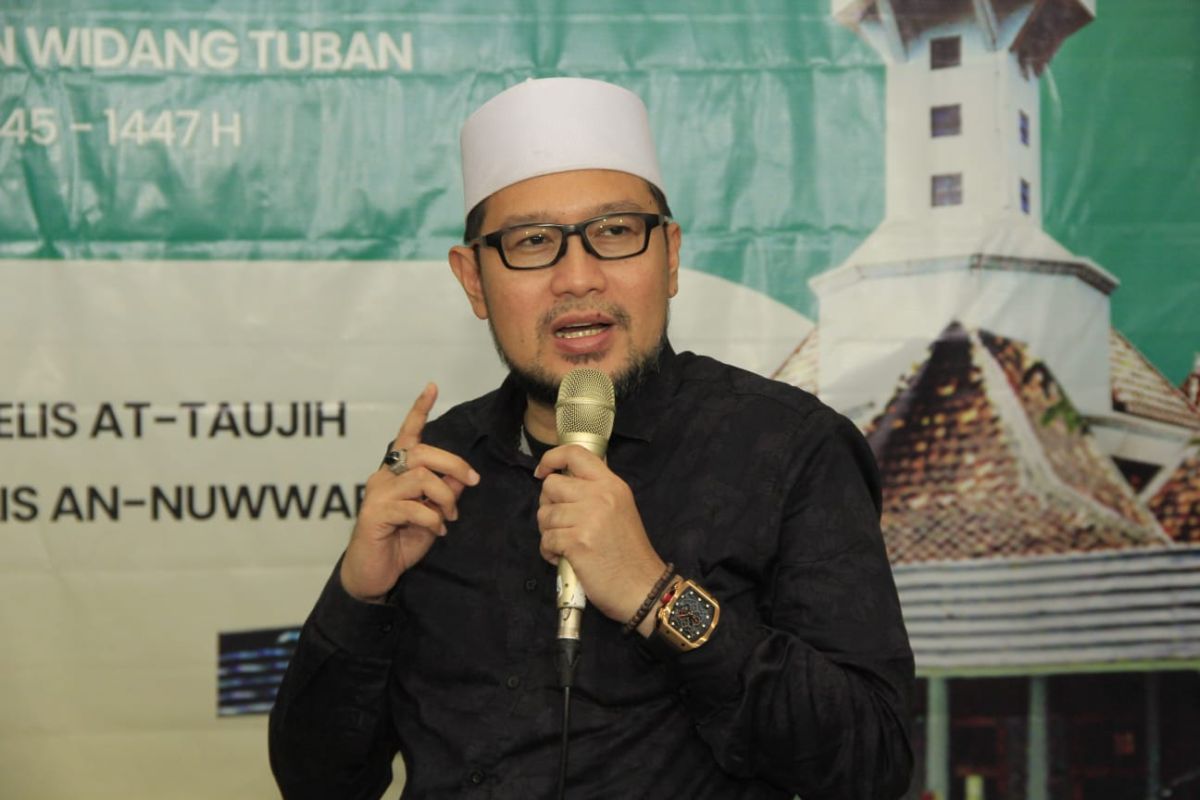
Jakarta (ANTARA) - The Deputy Secretary General of the Executive Board of Nahdlatul Ulama (PBNU), KH. Ma’shum Faqih, stated that improving the institutional governance of NU to face internal dynamics must begin with strengthening organisational etiquette or ‘adab’.
Ma’shum emphasised that this serves as one of the important recommendations for the National Consultative Meeting of Ulama and the Grand Conference of Nahdlatul Ulama (Munas-Konbes NU), which will be held at the Al Falah Islamic Boarding School in Ploso, Kediri, East Java, on 20-21 June 2026.
“NU was built by pesantren ulama. Therefore, organisational governance must go hand in hand with organisational etiquette. A good system must be supported by good adab,” said Gus Ma’shum in Jakarta on Sunday.
According to him, NU needs to revive the tradition of adab, which has long been a hallmark of pesantren and the primary foundation of the jam’iyah (NU community) life.
He also noted that the traditions of deliberation (musyawarah), respect for ulama, mutual respect for differing opinions, and an awareness of the functions of each organisational element are important legacies that must be preserved.
“Hadlratussyaikh taught that adab is the pinnacle of the structure of tawhid, faith, and sharia. That value has long been the strength of pesantren and needs to be continuously present in organisational life,” he said.
In addition to strengthening organisational etiquette, Gus Ma’shum also proposed strengthening pesantren as one of the main focuses of NU’s future agenda, as pesantren serve as the heart of NU—acting as centres for ulama regeneration, guardians of the Ahlussunnah wal Jamaah tradition, and the primary source of organisational strength since its founding.
“NU possesses a unique organisational governance. When all elements of the organisation function according to their respective roles, underpinned by adab and mutual respect, the organisation will become stronger and gain the trust of its members,” he said.
Gus Ma’shum also stated that various organisational policies must be based on the real needs of pesantren and strengthen the role of pesantren in education, community empowerment, and the regeneration of ulama.