
Paying PBB-P2 Tax in Buleleng Now Possible Using Waste: Here's the Scheme
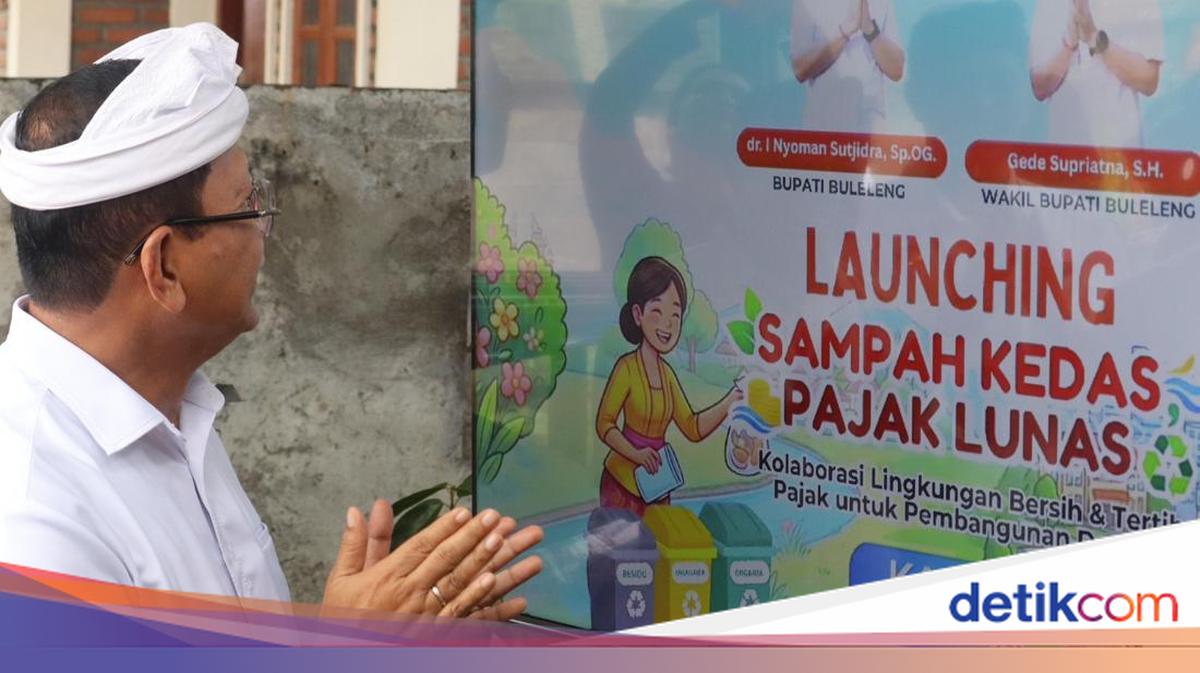
The Buleleng Regency Government (Pemkab) has introduced a new method for paying the Rural and Urban Land and Building Tax (PBB-P2). Residents can now settle their taxes via non-cash waste bank savings.
The programme was officially launched by Buleleng Regent I Nyoman Sutjidra at the Banyuning Waste Bank, Jalan Pulau Menjangan, Graha Menjangan Housing, South Banyuning, on Thursday (30/4/2026).
Sutjidra described the innovation as a concrete step that combines two interests at once: environmental affairs and tax compliance.
“This is not just about paying taxes. The community is also encouraged to care for the environment through waste management at the source,” said Sutjidra.
Under this scheme, waste deposited by residents will be economically valued and converted into savings balances. These balances can then be used to pay PBB-P2 without cash.
The regency government assesses this method as effective in addressing two issues simultaneously: reducing waste volume and boosting regional original revenue (PAD).
Additionally, the non-cash system is seen as promoting more transparent and accountable governance. Residents are expected to find it easier and more orderly to fulfil their tax obligations.
Sutjidra stressed that the success of the programme depends on collaboration among many parties, from local government, banking, waste bank managers, to the community.
“If everyone moves together, the benefits will be widespread for Buleleng,” he asserted.
Meanwhile, the Head of the Regional Revenue Agency (Bapenda) of Buleleng stated that the programme carries the slogan “Sampah Kedas, Pajak Lunas” (Waste Sorted, Tax Paid).
He explained that waste banks will be empowered as partners in managing economically valuable waste from residents. Bapenda also acknowledged that PBB-P2 arrears have been significant so far, especially in housing areas. However, since this innovation was introduced, the community’s response has been described as increasingly positive.
“Residents’ awareness to pay taxes is starting to increase,” he said.