
Pay debt or Fitrah zakat first? Here's what the Jakarta Religious Ministry says
The priority is to pay debts that have fallen due. When debts are paid and there remains sufficient wealth to meet food needs during the night and day of Eid al-Fitr, then the obligation to pay Fitrah zakat remains, said Adib, Head of the Jakarta Regional Office of the Ministry of Religious Affairs (Kemenag), when contacted in Jakarta on Tuesday.
He explained that the payment of Fitrah zakat applies not only to the individual (head of household) but also to those under their care, including newborn infants.
Meanwhile, if a Muslim’s debt has not yet fallen due, then paying Fitrah zakat can be prioritised.
Adib stated that Fitrah zakat is an obligation that attaches to every Muslim during Ramadan and in anticipation of Eid al-Fitr, as is the case with debts that have matured, so both need to be paid.
The obligation of Fitrah zakat is based on the hadith of Ibn Umar, which states: “The Prophet Muhammad obligated the Fitrah zakat of one sha’ of dates or one sha’ of wheat upon the Muslim community; whether slave or free, male or female, small or large. He commanded it to be carried out before people went out for prayer” (narrated by Bukhari and Muslim).
Fitrah zakat, besides being a form of self-purification after performing the fasting obligation in the month of Ramadan, is also a manifestation of social concern for the less fortunate in society.
Fitrah zakat can be fulfilled from the beginning of Ramadan and at the latest before the performance of Eid al-Fitr prayers.
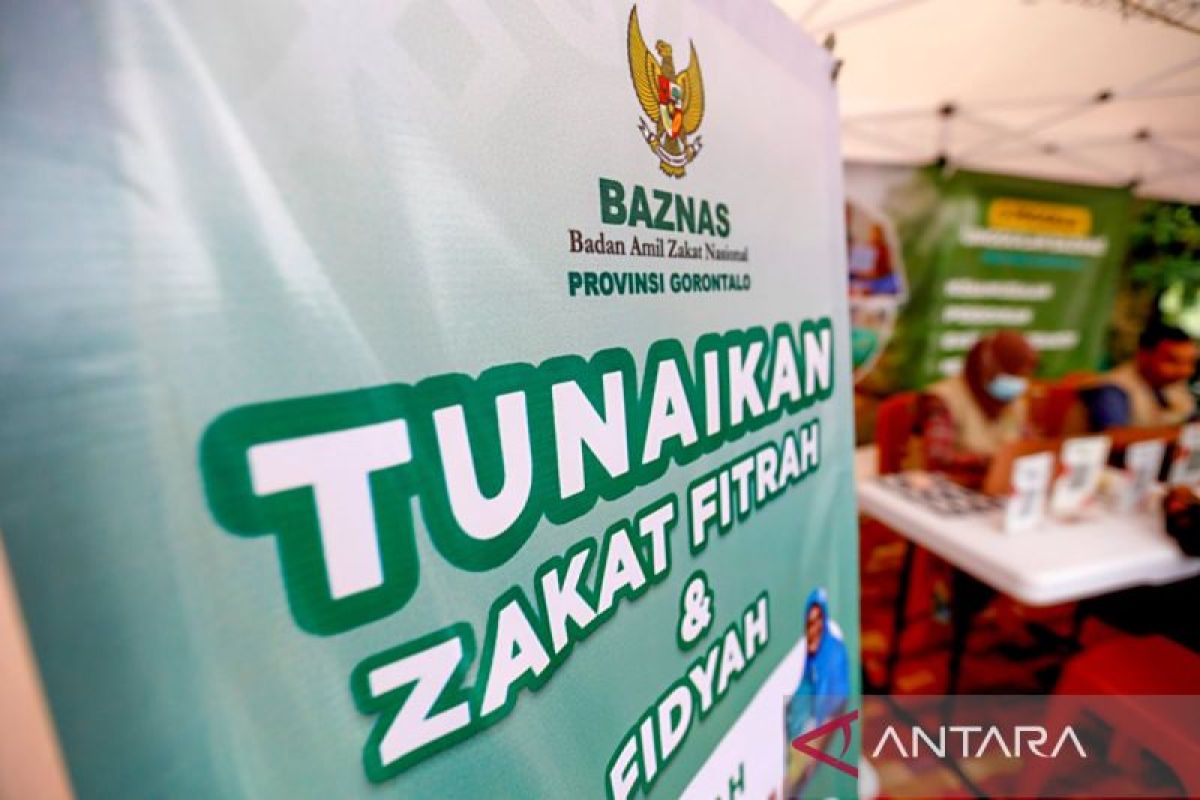
Based on the Decree of the Head of BAZNAS (National Zakat Agency) Number 14 of 2026 regarding the Value of Fitrah Zakat and Fidyah for BAZNAS Year 1447 H/2026 M, the amount of Fitrah zakat has been set at 2.5 kg or 3.5 litres of rice or staple food per person, or equivalent to a monetary amount of 50,000 rupiah per person.