
Pawan River Water Diverted 9km to Wet Peatlands
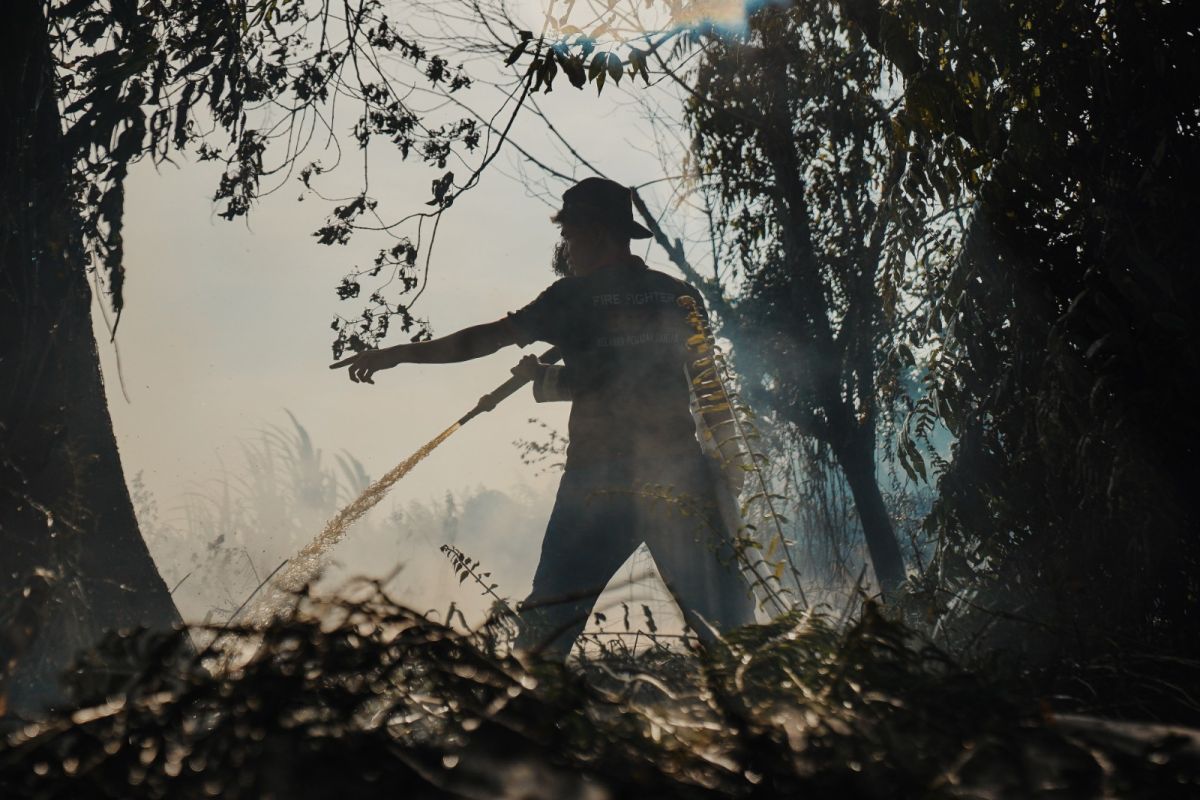
Pontianak (ANTARA) - The Ministry of Environment/Environmental Control Agency is diverting water from the Pawan River across nine kilometres via a canal network to moisten peatlands affected by fires in Sungai Pelang and Sungai Besar villages, Ketapang Regency, West Kalimantan.
“This effort is part of the management of forest and land fires that recurred in Ketapang in September 2024, particularly in peat areas that require wetting to maintain moisture and reduce the risk of repeated fires,” said the Head of the Peatland and Mangrove Ecosystem Management Agency (BPEGM) Kalimantan, Yunus Sudaryanti, in Pontianak on Sunday.
He explained that the wetting process is being carried out through a collaboration between the Ministry of Environment/Peatland and Mangrove Agency of the Kalimantan Region, PT Arrtu Energie Resources (AER), the Fire Care Community (MPA) of Sungai Pelang and Sungai Besar villages, village governments, and other relevant agencies.
“Pawan River water is pumped from an intake point in the river and then channelled through a nine-kilometre canal network towards the target peat areas. The network traverses both community land and land owned by PT AER,” he said.
To ensure that water can flow and remain within the canal network, at least nine canal weir sites and seven culvert locations have been prepared along the wetting route.
The construction of the network is being carried as a phased process, starting from surveys and measurements, permitting and coordination, the installation of machinery at the riverbank, the preparation of reservoirs and canal weirs, to canal cleaning.
“The network is designed to connect the water source of the Pawan River with the peat areas affected by fires. From aerial documentation, the flow path shows an expanse of canals carrying water from the river to the peatlands,” said Yanti.
Moistening the land is crucial because fires in peat ecosystems do not only affect surface vegetation. Fire can also damage the peat structure underground, leading to long-term ecological impacts.
In addition to reducing the risk of re-ignition, the diverted water is expected to increase peat moisture and maintain water availability in areas previously affected by fire.
The involvement of the MPA, local communities, village governments, companies, and relevant agencies in building the network demonstrates that peat fire control does not rely solely on firefighting when flames appear, but is also achieved through efforts to maintain land conditions to prevent them from becoming easily flammable again.
“The wetting of peat in Sungai Pelang and Sungai Besar villages also serves as a collaborative step to preserve the peat ecosystem and protect areas that serve as the living space for the community from the threat of recurring fires,” he concluded.