
Paving the way towards garlic self-sufficiency
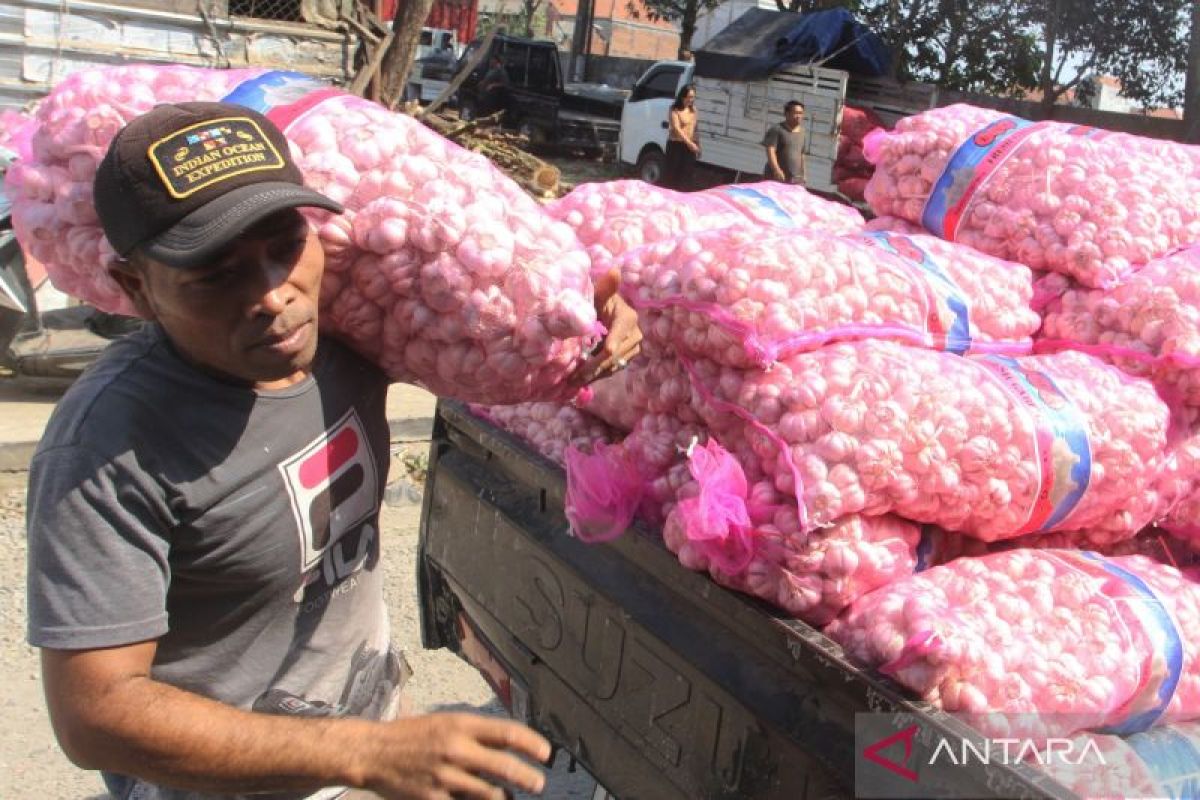
Indonesia is capable of achieving garlic self-sufficiency, but realising this goal requires significant and comprehensive efforts.
Jakarta (ANTARA) - Following the successful plan to halt rice imports starting in 2025, the government plans to reduce imports of several other strategic food commodities. Minister of Agriculture Amran Sulaiman stated that four commodities are now being prioritised for import reduction: wheat, maize, soybeans, and garlic.
Among these four food commodities, the effort to boost garlic production towards self-sufficiency is considered to have a viable opportunity for realisation. It is therefore highly logical for the government to pay serious attention to efforts to reduce dependence on garlic imports, as the administration aims to achieve self-sufficiency in this commodity as soon as possible.
As is well known, garlic is one of the essential food commodities in Indonesia. Several factors must be examined to understand the national garlic situation.
First, regarding imports: Indonesia still relies on garlic imports to meet national requirements. In 2022, Indonesia imported approximately 536,000 tonnes of garlic.
Second, domestic production: National garlic production remains relatively low compared to demand. In 2022, domestic garlic production reached approximately 18,000 tonnes.
Third, pricing: Garlic prices in Indonesia can fluctuate depending on the season and supply availability. In 2023, the price of imported garlic ranged from Rp30,000 to Rp40,000 per kilogram.
Fourth, government efforts: Generally, the government has taken several steps to increase domestic garlic production, including providing seed and fertiliser assistance to farmers and increasing planting areas.
Under these conditions, meeting Indonesia’s garlic requirements remains dependent on imports, despite various efforts to increase domestic production.