
Paulus Waterpauw: Building Papua Must Be Dialogue with the Heart
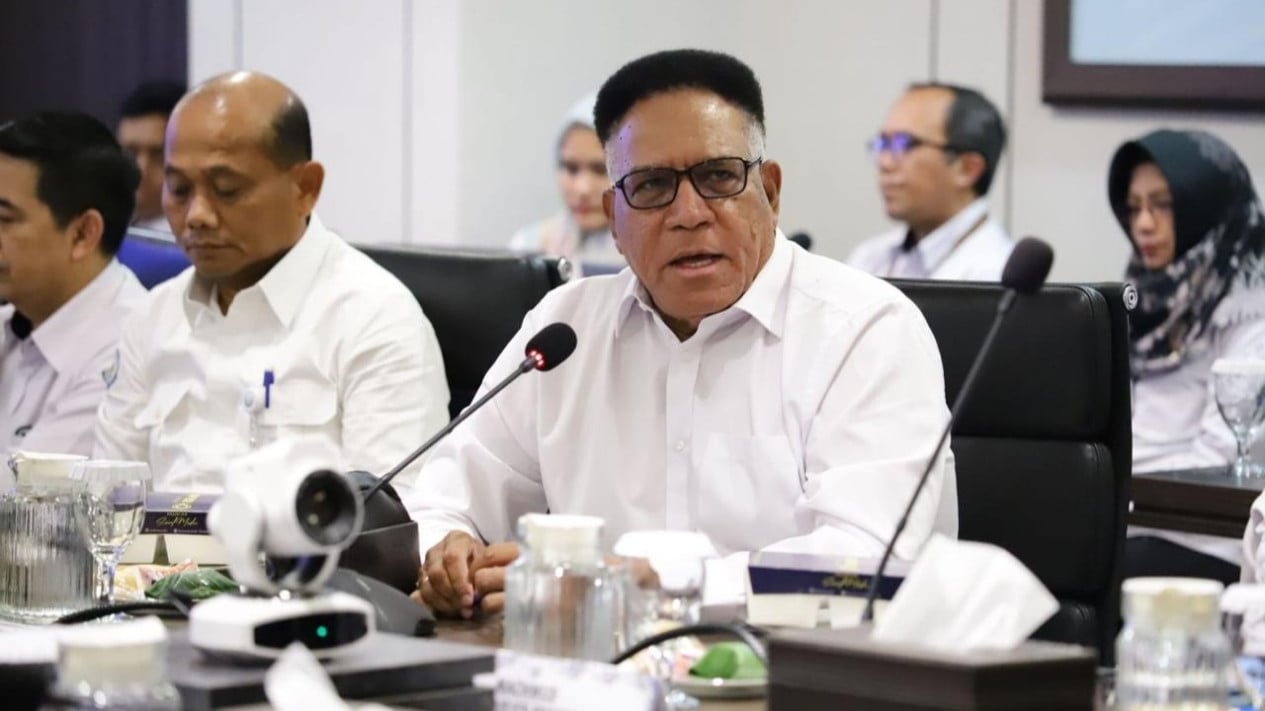
Paulus Waterpauw: Building Papua Must Be Dialogue with the Heart
Special feature
Jakarta, VIVA – A member of the Executive Committee for the Accelerated Development of Special Autonomy Papua, Paulus Waterpauw, says that development in Papua should not be oriented solely towards physical aspects; it must place people, particularly indigenous Papuans, at the centre of development. Success should not be measured only by the size of investments, infrastructure, or national projects built, but also by the extent to which Papuan communities feel tangible benefits in their lives.
In relation to the National Strategic Project (PSN) on food security and energy, which is currently underway and involves opening millions of hectares of natural forest in Asmat, Mappi, Merauke, and Boven Digoel, he views dialogue as a very important step for sustainable development. “Every problem, polemic, or obstacle that arises in development must be resolved by sitting together and seeking solutions that prioritise the interests of the people,” he said in a written statement on Saturday 23 May 2026.
As a Papuan by birth, Paulus trusts that Papuan communities can be engaged in dialogue amicably. Communication conducted with a humane approach will open space for understanding and trust. “Avoid approaches that prioritise coercion or unilateral decisions without involving the communities directly affected,” he added.
The retired three-star police general, who was born in Fakfak, shared a simple yet profound philosophy about the importance of ongoing communication with patience, empathy, and respect for the social values of the community. “If one conversation does not work, speak again. If two times still does not work, then do it a third time. Dialogue conducted continuously with a sincere heart will eventually find a meeting point,” he said.
Paulus continued that communication with Papuan communities is not sufficient to rely solely on formal development language or investment figures. “People need to be explained clearly about the benefits to be obtained, the economic opportunities opened, and how the future of indigenous Papuans can be improved through development,” he stated. In this way, communities are not seen as objects of development but as an important part of the development process.
Moreover, Paulus emphasised that the root of the problems that have long haunted Papua is extreme poverty. This condition triggers a range of social problems, from educational underdevelopment and limited access to healthcare, to unemployment and potential security disturbances.