
Patimban Port Welcomes First MSC Aria III Service, Strengthening Global Logistics
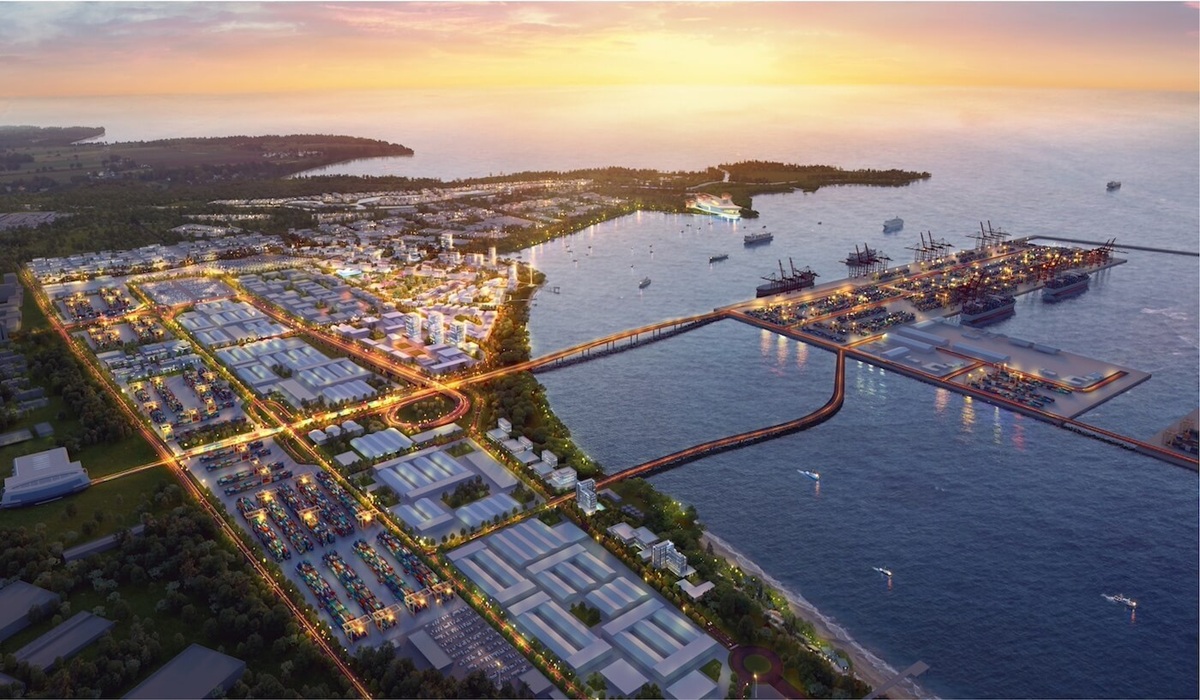
The berthing of the Mediterranean Shipping Company (MSC) Aria III container ship at the Patimban Port Container Terminal in Subang, West Java, marks the start of a new phase in the development of the national logistics ecosystem. The vessel arrived from Singapore and is scheduled to continue its voyage to Laem Chabang, Thailand, and onward to three major ports in China: Shekou, Ningbo, and Shanghai. The arrival of this regular international container service is seen as a catalyst for strengthening Indonesia’s supply chain resilience amid global geopolitical dynamics. Yukki Nugrahawan Hanafi, Senior Vice President of International Federation of Freight Forwarders Associations (FIATA) and Commissioner of PT Pelabuhan Patimban Internasional (PPI), stated that this service represents more than just a new route. ‘Indonesia needs an integrated port network to strengthen national supply chain resilience amidst global geopolitical dynamics,’ he said. The Patimban Container Terminal currently spans 10 hectares with a capacity of 250,000 TEUs per year. PT Patimban Global Gateway Terminal (PGT) is expanding this capacity to 1.65 million TEUs annually, with a long-term projection to handle 7.5 million TEUs of containers and 600,000 units of vehicles per year. The expansion includes modern equipment to improve box moves per hour and reduce port stay times. The vehicle terminal, operational since 2022 on 22.4 hectares, has shown positive performance, handling 204,774 CBU units in 2025. By June 2026, export volumes reached 63,086 units, surpassing domestic shipments via Belawan and Batam ports. Dredging to a depth of minus 14 metres LWS has increased vessel capacity from 4,000 to 6,000 units. Landside connectivity is also being improved with a 37-kilometre toll road linking the Cipali Toll Road to Patimban, targeted for completion by the end of 2026, which will cut travel time from the East Karawang industrial zone to just 30-40 minutes. Yukki emphasised that Patimban’s success relies on a long-term vision structured in three phases: attracting global shipping lines, providing world-class infrastructure, and building massive cargo volumes. This vision is supported by five pillars: collaboration, connectivity, competitiveness, sustainability, and supply chain resilience.