
Patient safety for NCDs must be maintained throughout treatment
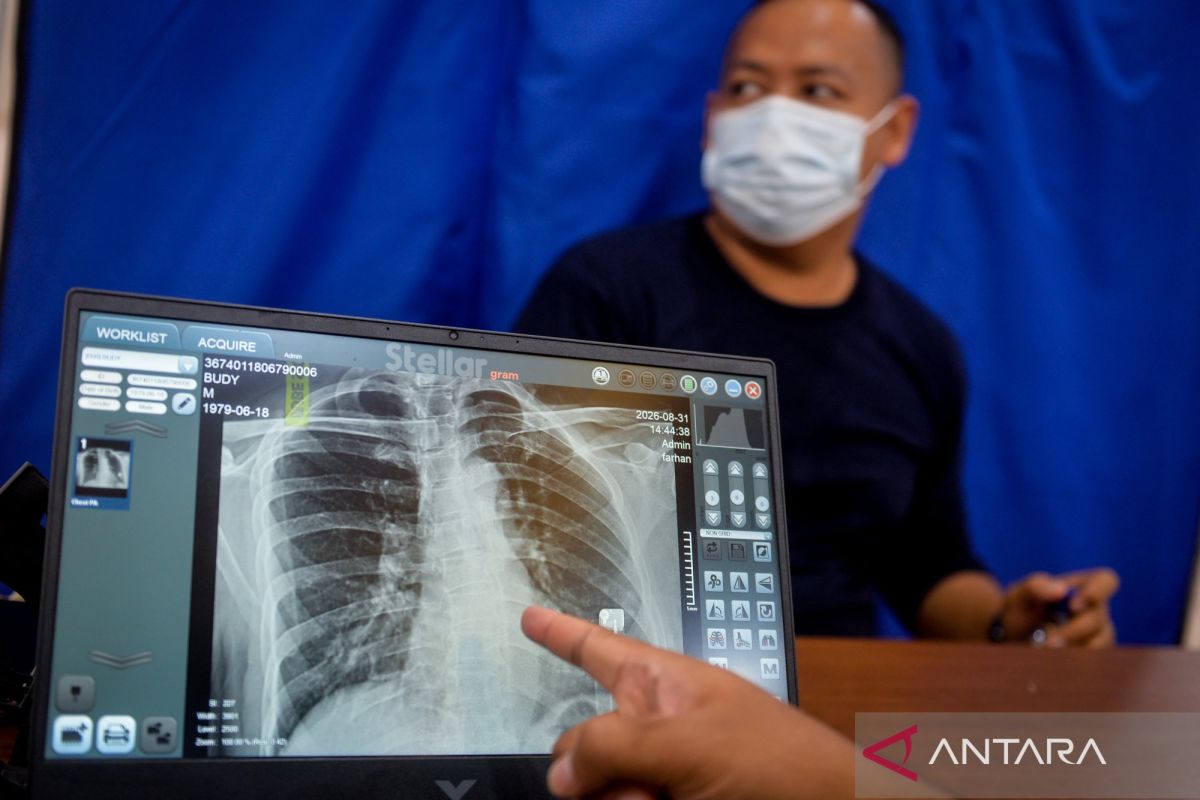
Patients with non-communicable diseases (NCDs) often undergo long-term therapy.
Jakarta (ANTARA) - The treatment of non-communicable diseases, which lasts for extended periods, requires strengthened patient safety measures to prevent the risk of injury during the care process.
Citing data from the World Health Organisation (WHO) in Jakarta on Thursday, it is estimated that one in ten patients experiences injury during healthcare treatment globally, with approximately half of these incidents considered preventable.
At the same time, NCDs such as cardiovascular disease, cancer, diabetes, and chronic respiratory diseases account for about 74 per cent of all global deaths, meaning the majority of patients require continuous treatment and care.
This safety issue was highlighted during the World Patient Safety Day alert on 17 September, which adopted the WHO global theme “Safe care for Noncommunicable Diseases” with the slogan “Safe care for life!”.
In the context of NCD treatment, one of the instruments used to maintain patient safety is pharmacovigilance, or the system for monitoring drug safety after a medication has been used by a patient.
“Patients with non-communicable diseases often undergo long-term therapy. Therefore, drug safety monitoring does not stop when a product receives marketing authorisation, but must continue as long as the drug is being used by the patient,” said Evie.
Pharmacovigilance is a healthcare system that encompasses the continuous monitoring, detection, evaluation, and reporting of adverse drug reactions after a product has circulated and is being used by patients.
Executive Director of IPMG, Ani Rahardju, stated that patient safety also requires the involvement of healthcare professionals and patients through the reporting of suspected adverse drug effects.
“Patient safety is a shared responsibility. In addition to industry and regulators, the participation of healthcare professionals and patients in reporting suspected adverse drug effects plays a vital role in strengthening the drug safety monitoring system in Indonesia,” said Ani.
In Indonesia, drug safety monitoring is conducted within an ecosystem involving regulators, healthcare professionals, the pharmaceutical industry, and the public. The Indonesian Food and Drug Authority (BPOM) is also developing pharmacovigilance reporting mechanisms as part of post-market drug safety surveillance.
Strengthening this oversight is a crucial part of ensuring that patient safety remains a priority throughout the NCD treatment journey, from prevention and diagnosis to treatment, rehabilitation, and long-term management.
Source: jawawa.id (https://jawawa.id/newsitem/patient-safety-for-ncds-must-be-maintained-throughout-treatment-1789664557)
Originally published by Antara (Indonesian) (https://www.antaranews.com/berita/5746521/keselamatan-pasien-ptm-perlu-dijaga-sepanjang-pengobatan), translated from Indonesian