
Pati Sexual Violence Case: Why Can't the Child Victim's Identity Be Disseminated?
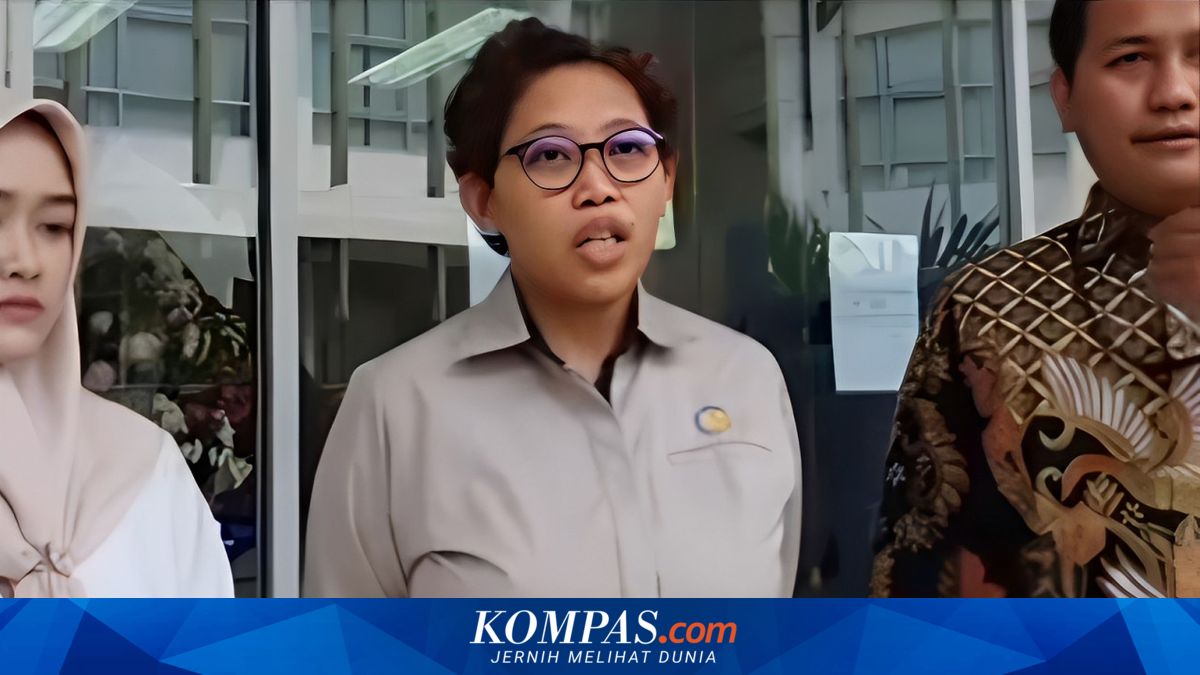
The Indonesian Child Protection Commission (KPAI) has reminded the public not to disseminate the identity of victims in the sexual violence case that occurred at one of the pesantrens in Pati, Central Java. KPAI member Dian Sasmita stated that this prohibition is not without reason, but constitutes the right to protection of dignity, privacy, and protection from societal stigma. “When the child’s identity (not just the name) is revealed to the public, what is attacked is not only the individual child, but also the child’s rights themselves,” she said to Kompas.com via text message on Wednesday (6/5/2026). Dian also warned that every violation of child rights can certainly have a domino effect. “Even in some scientific studies, psychological pressure can affect other growth and development processes,” she said. On a broader scale, the dissemination of the child’s identity is not limited to the child’s name. When the perpetrator is someone close to the child, the perpetrator’s identity must also be obscured. For example, if the sexual violence is perpetrated by someone close like the victim’s parent or uncle, disseminating the perpetrator’s identity will be affiliated with the victim, thus revealing the victim’s identity as well. Previously reported, the alleged molestation case against dozens of female students at one of the pesantrens in Pati Regency has advanced to the investigation stage. Police stated that they have obtained sufficient preliminary evidence after examining witnesses and conducting scene processing. Pati Police Chief Commissioner Jaka Wahyudi mentioned that a kiai named Ashari was designated as a suspect on 28 April 2026 following a case review. However, police claimed that the handling process after the 2024 report was initially hampered due to attempts at family settlements by the victims’ side. Although already designated as a suspect, the perpetrator has not been detained to date because he is deemed cooperative during the examination process.