
Passenger numbers at Air Tawar Shelter continue to grow in January–April 2026
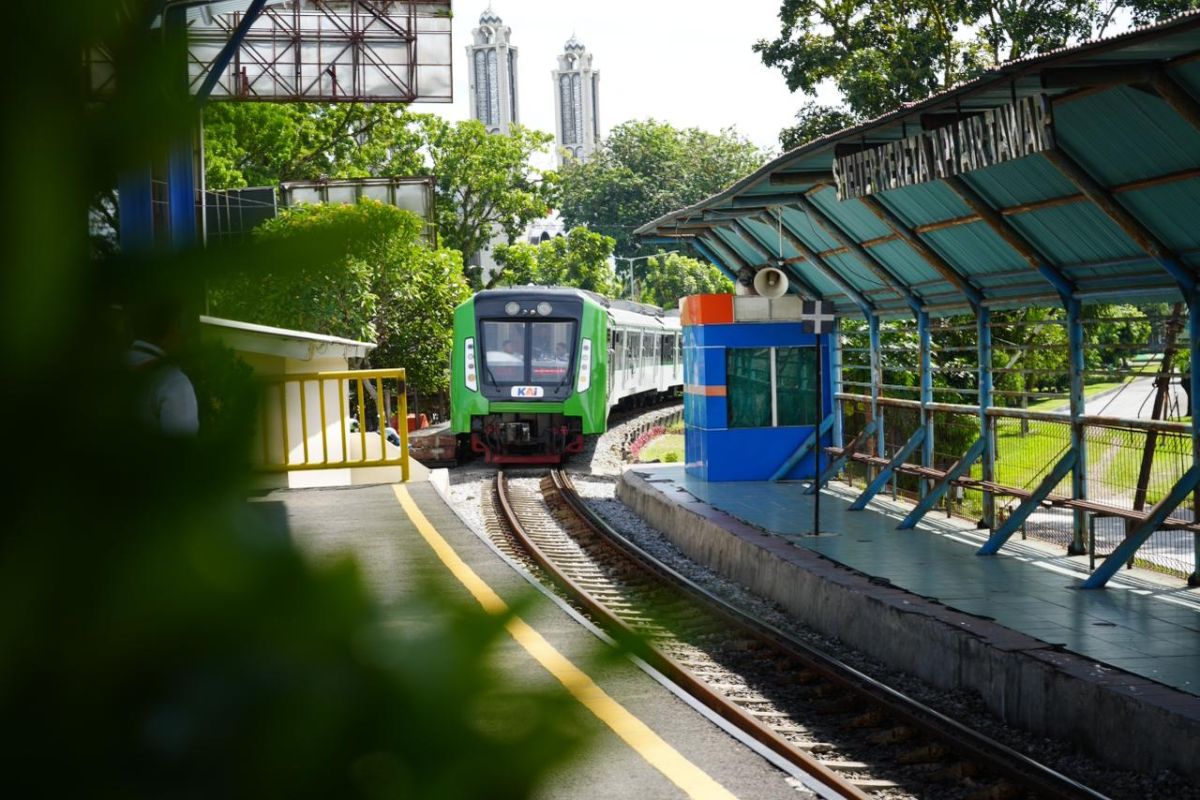
Education, residential and coastal tourism zones boost rail passenger mobility in Padang. Rail passenger movement in West Sumatra continues to show a positive trend. Amid rising demand for fast and efficient urban mobility, Padang’s Air Tawar Shelter has developed into an increasingly active service point for daily passenger travel.
According to KAI data, the number of passengers boarding and alighting at Air Tawar Shelter from January to April 2026 reached 134,375, an increase of 18,901 passengers or 16.37% compared to the same period in 2025 when 115,474 passengers were recorded. This growth reflects heightened community activity using rail services in northern Padang.
KAI’s Vice President of Corporate Communications, Anne Purba, said passenger growth at Air Tawar Shelter indicates a shift in mobility patterns, with rail-based public transport becoming part of daily life.
“Air Tawar Shelter is located in a highly dynamic area where education, residential, commercial, and tourism activities all converge. This has led to growing mobility demands, with trains becoming an increasingly popular travel option,” Purba said.
Geographically, Air Tawar Shelter is near university campuses and densely populated residential areas. Daily, it serves students, workers, businesspeople, and residents travelling to the city centre or other parts of Padang. In recent years, the surrounding area has become a bustling hub of activity, particularly during morning and evening rush hours.
KAI views shelters like Air Tawar as vital for urban connectivity. With closer access to residential and activity zones, rail services offer more convenient travel with reliable journey times amid growing urban traffic congestion.
Passenger growth at Air Tawar Shelter also highlights rail’s growing role in supporting education activities in Padang. The area is known as an education hub with daily student and academic staff movement. Rail services provide a more efficient travel alternative for those active in the corridor.
Beyond daily commutes, Air Tawar Shelter’s unique feature is its proximity to Padang’s coastal tourism areas. From the shelter, residents can access Padang Beach and popular culinary spots frequented on weekends and evenings. Train journeys across West Sumatra offer distinctive visual experiences, blending urban scenery, coastlines, and green hills along the route.
Purba added that passenger growth across various shelters and stations in West Sumatra reflects rising public trust in rail-based public transport. KAI continues to review services to ensure safer, more comfortable journeys aligned with modern mobility needs.
“Public transport plays a crucial role in sustaining urban productivity. Passenger growth at Air Tawar Shelter shows trains are increasingly part of Padang residents’ daily routines,” she concluded.