
Paseban Village Develops Waste Processing into Economically Valuable Crafts
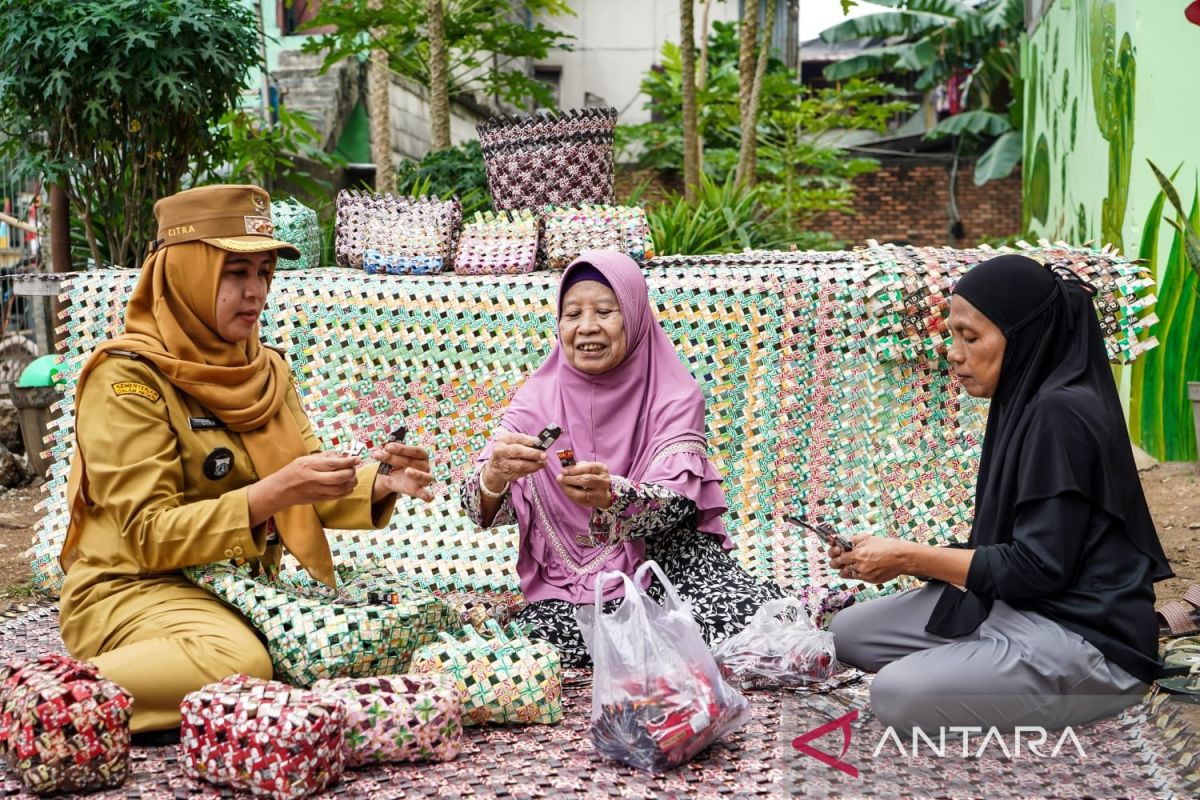
The Paseban Village administration in Senen District, Central Jakarta, is developing community-based plastic waste processing into handicrafts with economic value.
Paseban Village Head Citra Arum Purdiarini stated that the effort involves encouraging residents to utilise plastic waste to create various products, while also assisting in marketing the crafts to provide an additional source of income.
“We will create a platform to accommodate handicraft products from recycled waste to be marketed to the public. So, besides reducing waste, it can provide additional income,” Citra said in a written statement in Jakarta on Tuesday.
Citra noted that a number of residents in the Paseban area have already been processing plastic waste into various crafts such as mats, tablecloths, tissue boxes, dolls, and plastic flowers. She assessed this activity as a form of community participation in reducing and processing waste at its source, allowing previously valueless waste to be repurposed.
She added that the village administration will collect data on residents skilled in waste processing and help market the products they produce. According to Citra, this step aligns with the government’s efforts to improve the public’s habit of sorting and processing waste before disposal.
She expressed hope that more Paseban residents will become involved in waste processing, so that waste reduction efforts can proceed alongside community economic empowerment.
One resident of RT 06/RW 08, Paseban Village, 67-year-old Fariyah, has been utilising plastic waste from coffee and drink sachets to make various crafts. “Used plastic packaging from coffee and drink sachets is collected from children who sell food and drinks daily,” she said.
Fariyah processes the packaging into mats, baskets, bags, tissue boxes, and water gallon covers. The process of making a mat begins with cleaning the used packaging before weaving it together, which takes about one day. Fariyah also stated she is ready to teach these skills to other women in her neighbourhood who wish to turn plastic waste into handicraft products. “Hopefully, the handicrafts made can be useful and have selling value to increase family income,” she said.