
Pasar Minggu Subdistrict Creates Innovation of Rice Cultivation in Gallon Containers
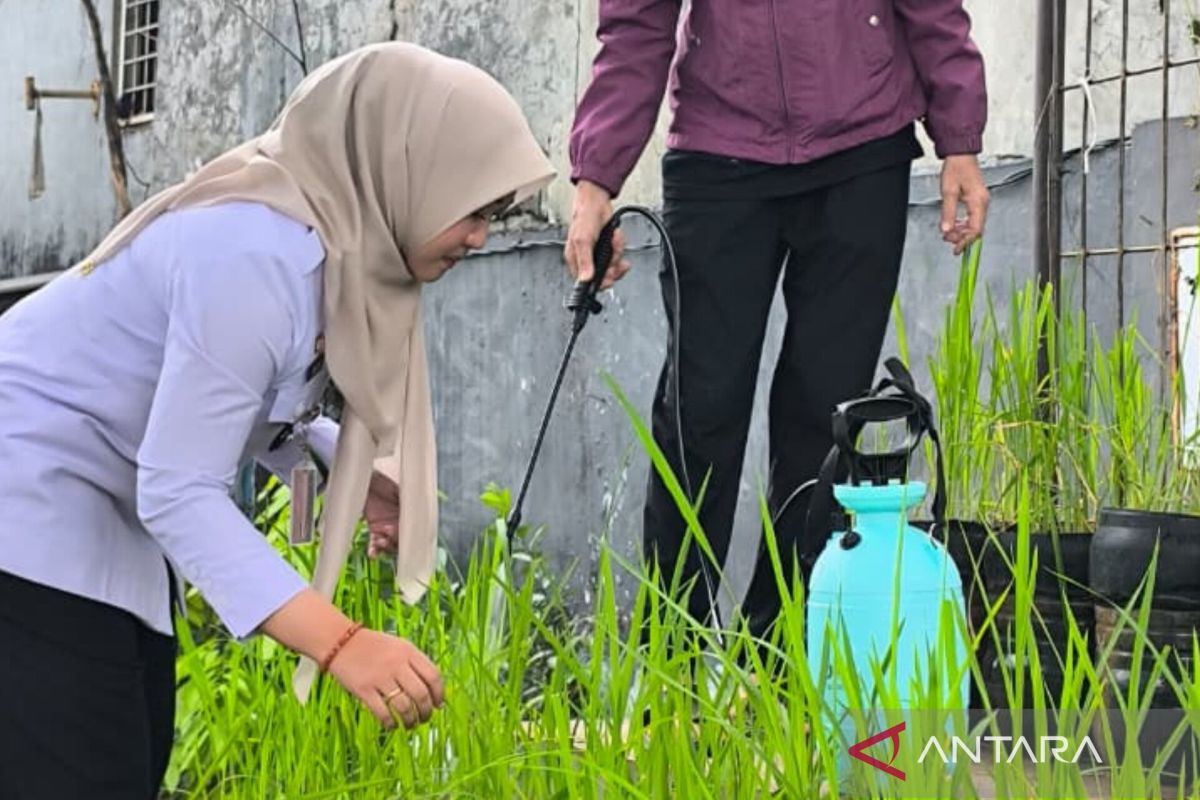
Pasar Minggu Subdistrict in South Jakarta has created an innovation of cultivating rice in gallon containers to strengthen environmentally based food security. “This innovation is a tangible form of our commitment to maintaining food stability in any season or moment,” said Pasar Minggu Subdistrict Head Meilita in Jakarta on Monday. She stated that the idea for rice cultivation in gallon containers originated from the community and received full support from the subdistrict administration and various related parties. The innovation utilises used gallon containers as a planting medium for rice, which has now reached 350 units. Meilita explained that the Inpari 32 rice variety is currently the mainstay of this cultivation. In a single harvest period, the hundreds of planted gallons can produce around 70 kilograms of unhusked rice, which is then converted into tens of kilograms of milled rice. According to her, residents in RW 05 have also begun developing the superior M70 variety, which has the advantage of a shorter harvest period of around 70 days. “We are committed to implementing rice cultivation in gallon containers across all RWs, and they are very enthusiastic,” said Meilita. “It is called Taman Selaras; we plant corn and other crops there, and the produce can be directly picked and utilised by residents visiting the park,” Meilita added. Furthermore, she revealed that efforts to strengthen food security are also carried out through urban farming activities at the Belimbing Child-Friendly Integrated Public Space (RPTRA) using a hydroponic system and a nutrition pond. “The harvest from both programmes is used as part of an intervention to fulfil nutrition for toddlers suspected of stunting in the Pasar Minggu Subdistrict area,” Meilita disclosed. It is hoped that these various innovations, implemented together with the community, will continue to develop and become an inspiration for other areas in building sustainable food security. “Hopefully, our efforts with residents will continue to grow and certainly serve as a good example for other communities regarding environmentally based food security,” Meilita concluded.