
Partners and Ombudsman Synergise to Strengthen Governance for Optimal Free Nutritious Meal Programme
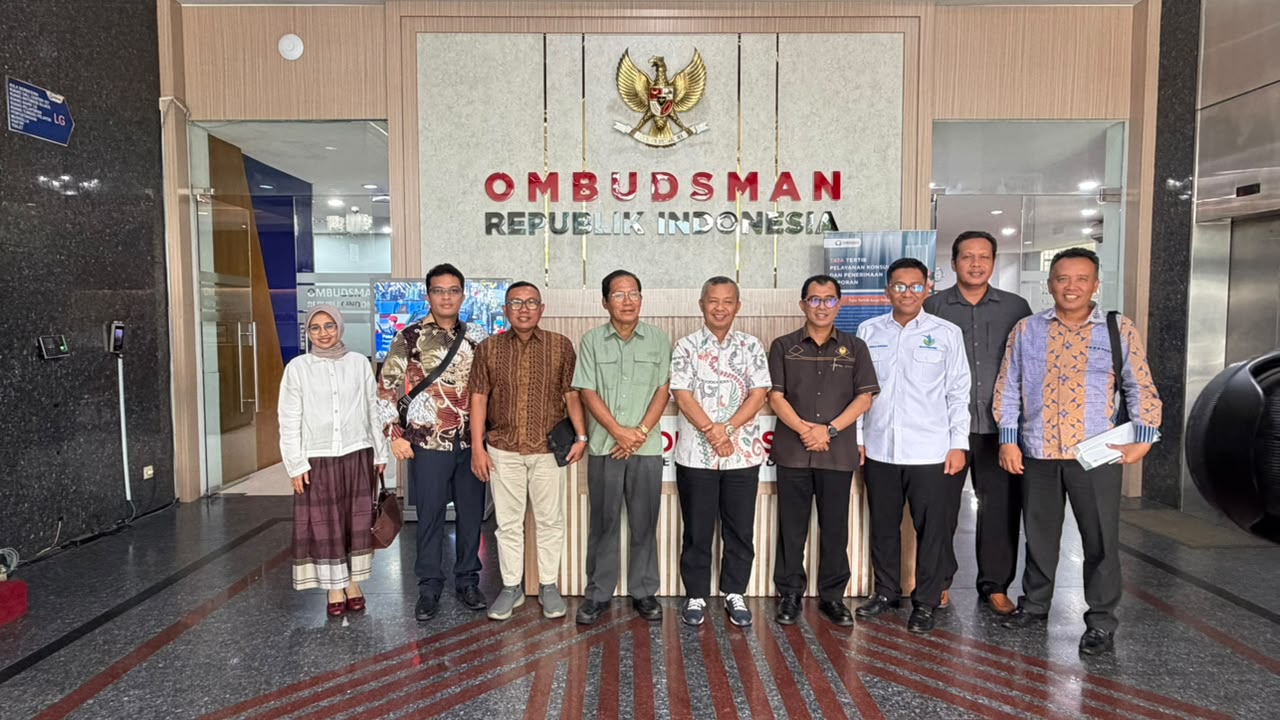
Commitment to the success of the Free Nutritious Meal (MBG) Programme continues to receive support from various parties. A number of associations representing programme implementation partners have submitted feedback to the Indonesian Ombudsman in an effort to strengthen governance and ensure the national strategic programme runs more effectively, transparently, and sustainably. During an audience at the Ombudsman RI office in Jakarta on Thursday (2/7), the partners affirmed their support for MBG’s main goal of improving the nutritional quality of the community, especially children. However, they expressed hope that several technical and regulatory obstacles encountered in the field could be promptly addressed to optimise implementation. The meeting was attended by Ombudsman RI members Fikri Yasin and Nuzran Joher, along with representatives from various MBG partner associations, including HMD Gemas Chairman Yadiman, HMD Gemas Vice Chairman Yusuf, Suherman from AMCI, Esti from TKA PBNU, and Dalu from Gapembi. HMD Gemas Chairman Yadiman stated that partners hope the programme’s sustainability can be supported by policies that provide business certainty. He noted that no MBG kitchen owner has yet reached the break-even point, necessitating an evaluation of several policies, including Circular Letter Number 12 of 2026 from the Head of the National Nutrition Agency. HMD Gemas Vice Chairman Yusuf assessed that regulatory consistency is a crucial factor in maintaining the programme’s effectiveness. He revealed that frequent changes to technical guidelines without adequate dissemination have created difficulties for field implementers. He also highlighted the need to improve the information technology system and clarify the governance of relationships between foundations, Nutrition Fulfilment Service Units (SPPG), and SPPG heads to make management more accountable. Suherman from AMCI expressed hope that any new policies would be formulated through dialogue with all stakeholders. He believes that good communication will strengthen synergy and minimise obstacles in programme implementation. Esti from TKA PBNU opined that several regulations still require more in-depth study to avoid confusion at the implementation level. She hopes future policy formulation will be more comprehensive to support the smooth running of the programme. Meanwhile, Dalu from Gapembi stated that many partners adhere to the operational standards set by the National Nutrition Agency, but policy changes have made field implementation more complex. He therefore hopes for regulatory synchronisation so that partners can focus more on their task of providing nutritious food to the community. Responding to these aspirations, Ombudsman RI member Fikri Yasin asserted that improving governance is a crucial step to ensure the success of the MBG Programme as a large-scale national initiative. He noted that operational aspects, including kitchen management, need a thorough evaluation to make implementation more effective and achieve the set goals. He also explained that a suspension policy for partners is possible but must be based on an objective investigation and accompanied by a transparent explanation to the relevant parties. Fellow Ombudsman member Nuzran Joher stated that all input from the partners would be discussed in an Ombudsman RI plenary meeting. He also encouraged the establishment of a joint forum bringing together all related parties so that every issue can be resolved through dialogue and produce constructive solutions.