
Parliament's Legislative Body Approves Domestic Worker Protection Bill as Parliamentary Initiative, to be Brought to Plenary Session Tomorrow
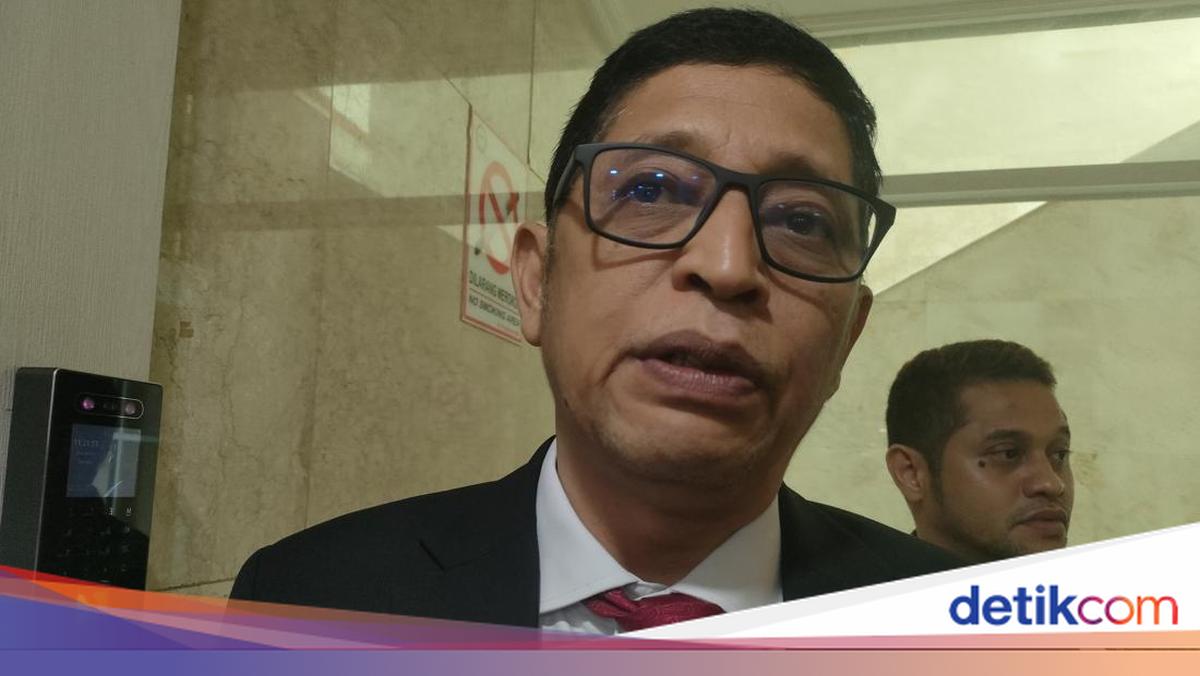
The Parliamentary Legislative Body (Baleg) of the Indonesian House of Representatives has approved the Domestic Worker Protection Bill (RUU PPRT) as a parliamentary initiative. The bill will be brought to the plenary session tomorrow.
Initially, eight factions in parliament presented their views on the RUU PPRT. All factions agreed that the bill should be advanced to the next level as a parliamentary initiative.
“After listening together, whether the results of the drafting of the Bill on Protection of Domestic Workers and the results of harmonisation of the Copyright Bill can be processed in accordance with legislation?” said Legislative Body Chairman Bob Hasan during a meeting at Parliament’s building in Senayan, Central Jakarta, on Wednesday (11 March 2026).
Members of the Legislative Body agreed to this. In the draft, parliament proposes that domestic workers (PRT) will receive health social security and employment social security guarantees.
“One of the rights of PRT regulated in this bill is the right to obtain health social security and employment social security,” said Legislative Body Vice-Chairman Martin Manurung.
“Prospective PRT receive vocational education and training from both the central government and regional governments as well as from domestic worker placement companies,” he added.
The following are the substantive provisions of the Domestic Worker Protection Bill approved by the Parliamentary Legislative Body, as presented by Legislative Body Vice-Chairman Martin Manurung:
Regulations on protection of domestic workers based on family principles, protection, respect for human rights, justice, welfare and legal certainty.
Recruitment of PRT can be done directly or indirectly. Written employment contracts are only applied to PRT recruited indirectly through domestic worker placement companies (P3RT).
Any person assisting with work within the scope of household work based on custom, kinship, family relations, education or religious considerations is not classified as PRT as defined in this legislation.
Indirect recruitment of PRT by P3RT can be conducted through offline and online recruitment, adapting to technological developments.
One of the rights of PRT regulated in this bill is the right to obtain health social security and employment social security.
Prospective PRT receive vocational education and training from both the central government and regional governments as well as from domestic worker placement companies.
Vocational education and training for prospective PRT includes education about social and cultural norms prevalent in society in accordance with the context of the workplace, so that the provision of PRT services can maintain sociocultural relations between employers and placement agencies.
P3RT is a legal entity required to obtain business permits from the central government in accordance with applicable regulations.
P3RT is prohibited from deducting wages, collecting fees in any form and for any reason from prospective PRT and PRT, and is prohibited from placing PRT with business entities or other institutions that are not individual employers.
Mediators can issue decisions regarding wage disputes between employers and PRT that are final and binding.
Supervision and oversight of domestic worker arrangements is carried out by the central government and regional governments by empowering neighbourhood associations (RT/RW) in order to prevent violence against PRT.
Vice-Chairman of the House of Representatives Sufmi Dasco Ahmad previously stated that the Domestic Worker Protection Bill and the Copyright Bill would be brought to the plenary session tomorrow. Both bills will be enacted as parliamentary initiatives.
“We just finished a meeting at the Legislative Body and will soon hold a leadership meeting and a consultative body meeting. At tomorrow’s plenary, parliament will endorse it, namely, first, PPRT as a parliamentary initiative and will soon be discussed to become law,” said Dasco at the parliamentary complex in Senayan, Central Jakarta, on Wednesday (11 March 2026).