
Parliament Approves Domestic Workers Protection Bill as Law
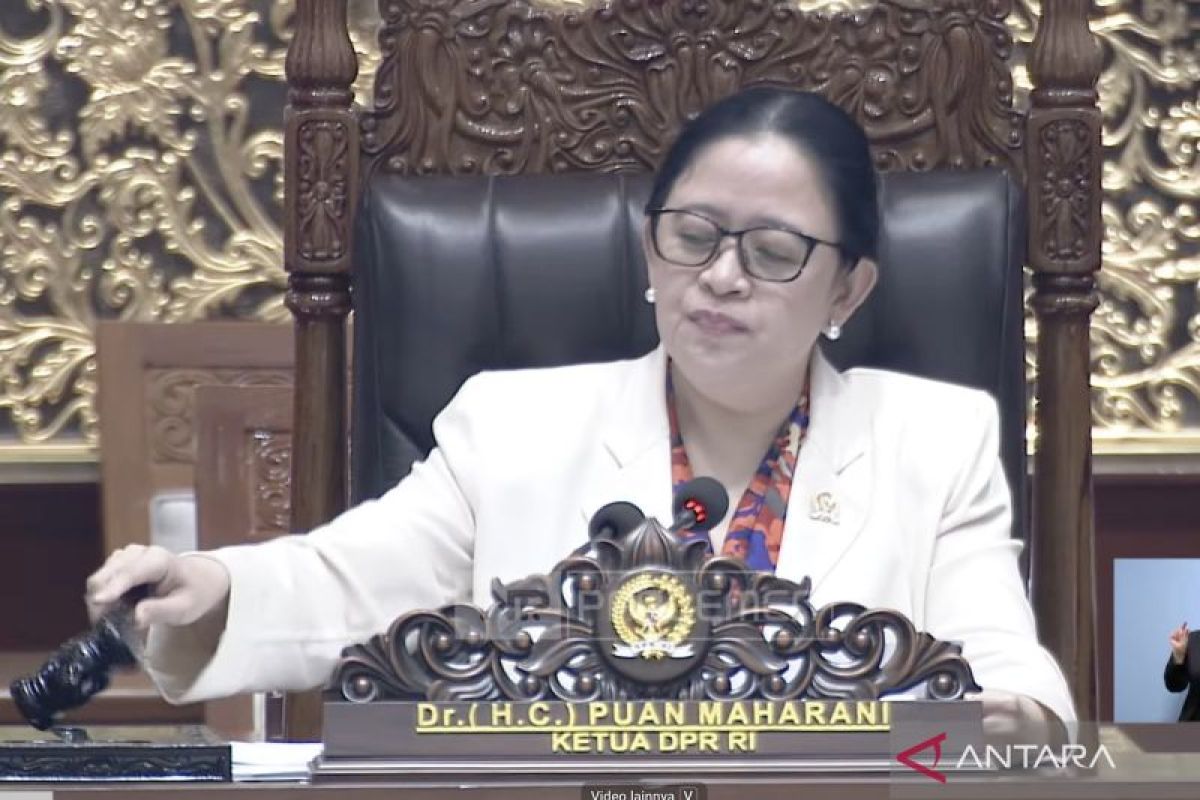
Jakarta (ANTARA) - The 17th Plenary Session of the Indonesian House of Representatives (DPR RI) for the Fourth Sitting Period of the 2025–2026 Year approved the Domestic Workers Protection Bill (RUU PPRT) to be enacted as law. “Can the Domestic Workers Protection Bill be approved to be enacted as law?” said DPR RI Speaker Puan Maharani in Senayan, Jakarta, on Tuesday, which was answered “agreed” by the session participants. All items in the inventory of problems list (DIM) for the RUU PPRT were fully discussed by the DPR RI Legislation Body (Baleg) on Monday (20/4) evening. Baleg Chairman Bob Hasan stated that the approval of the RUU PPRT today, after being discussed for two decades, is the “most beautiful gift” for Kartini Day commemorated every 21 April. “May the RUU PPRT keep the flame of Kartini’s empowerment as a light of protection for all domestic workers. After darkness comes light,” said Bob in his report. First, regulations for worker protection based on family principles, respect for human rights, justice, welfare, and legal certainty. Second, recruitment of domestic workers (PRT) can be done directly or indirectly. Third, every person assisting with household work based on customs, kinship, family, education, or religion is not considered a PRT under this law. Fourth, indirect recruitment of PRT by domestic worker placement companies (P3RT) can be done offline or online. Fifth, one of the rights of PRT regulated in this bill is the right to health social security and employment social security. Sixth, prospective PRT receive vocational education and training from the central government, regional government, or PRT placement companies. Seventh, vocational education and training for prospective PRT. Ninth, P3RT (Domestic Worker Placement Companies) are prohibited from deducting wages or similar. Tenth, guidance and supervision of PRT implementation are carried out by the central and regional governments by empowering neighbourhood units (RT/RW) to prevent violence against PRT. Furthermore, when this law comes into effect, every person under 18 years old or already married who works or has worked as PRT before this law takes effect is given an exception and their rights as PRT are still recognised. Finally, implementing regulations must be established at the latest one year after the Domestic Workers Protection Law takes effect.