
Parking Revenue Leakage Suspected in Blok M, Potential Loss of Rp 45 Billion
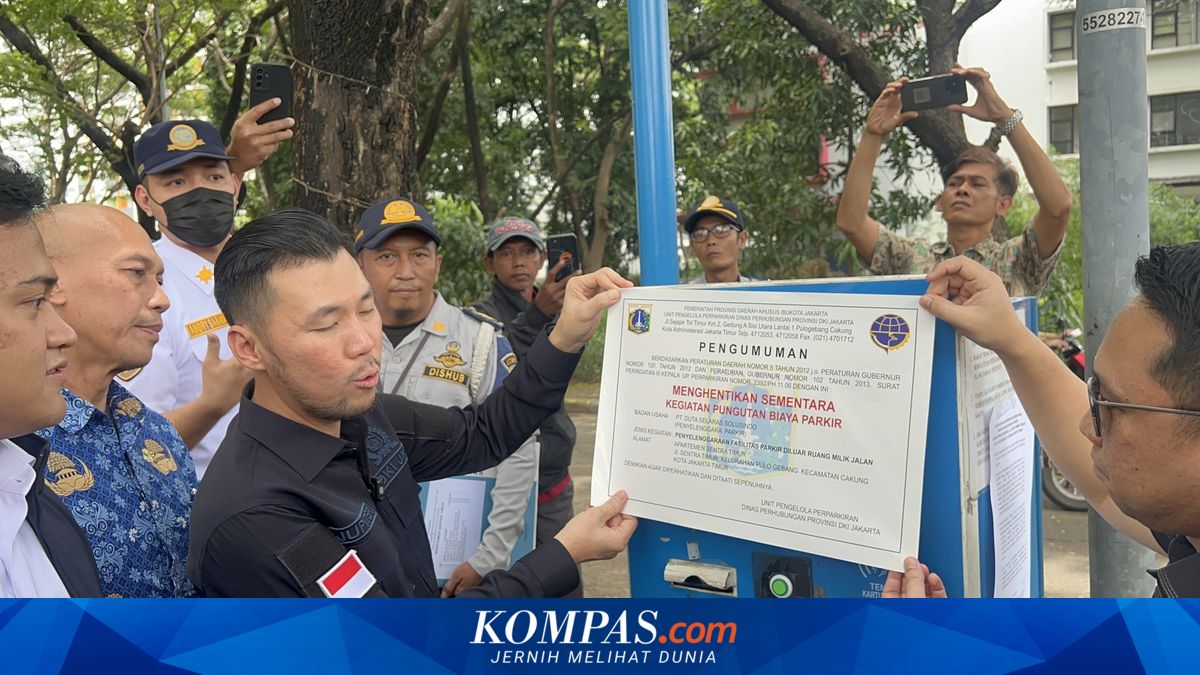
JAKARTA, KOMPAS.com - The Special Committee on Parking (Pansus) of the DKI Jakarta DPRD has spotlighted allegations of parking revenue leakage in the Blok M area, South Jakarta. Preliminary findings indicate a potential loss to regional original revenue (PAD) of up to Rp 45 billion. Chairman of the DKI Jakarta DPRD Special Committee on Parking, Jupiter, revealed that indications of leakage stem from the difference between potential revenue and the amount received by the local government. According to him, if calculated over the long term, the value is highly significant. In one year, the potential leakage reaches Rp 3 billion from just one parking operator. “If one year is Rp 3 billion, multiplied by 10 years it could be Rp 30 billion. If it runs for 15 years, Rp 45 billion, Rp 45 billion that should potentially become regional original revenue,” he said. Jupiter emphasised that the figure comes from only one operator managing parking in the Blok M area for 15 years. Therefore, they wish to conduct a comprehensive investigation to ascertain the actual extent of the losses. In the meeting, the Special Committee invited several parties, including PT Karyo Utama Perdana as the third-party manager in the Blok M area, whose assets are owned by PD Pasar Jaya. Meanwhile, PT Dinamika Mitra Pratama (Base Parking), another parking operator, was not represented by its directors but only by staff. For the verification process, the Special Committee requested various important documents from the operators, ranging from company account mutations since the start of operations, financial reports and balance sheets, proof of insurance payments, operational permits, data on parking capacity and land area, monthly revenue reports, to proof of parking tax payments to the Regional Revenue Agency (Bapenda). “This data is crucial so we can validate and ensure whether there is indeed potential PAD loss,” said Jupiter. He also highlighted that the potential revenue from the parking sector in Jakarta is actually very substantial, even reaching Rp 1.2 trillion per year. However, weak supervision and the suboptimal system have prevented this potential from being maximised.