
Parents urged to be vigilant of eyelid disorders from birth
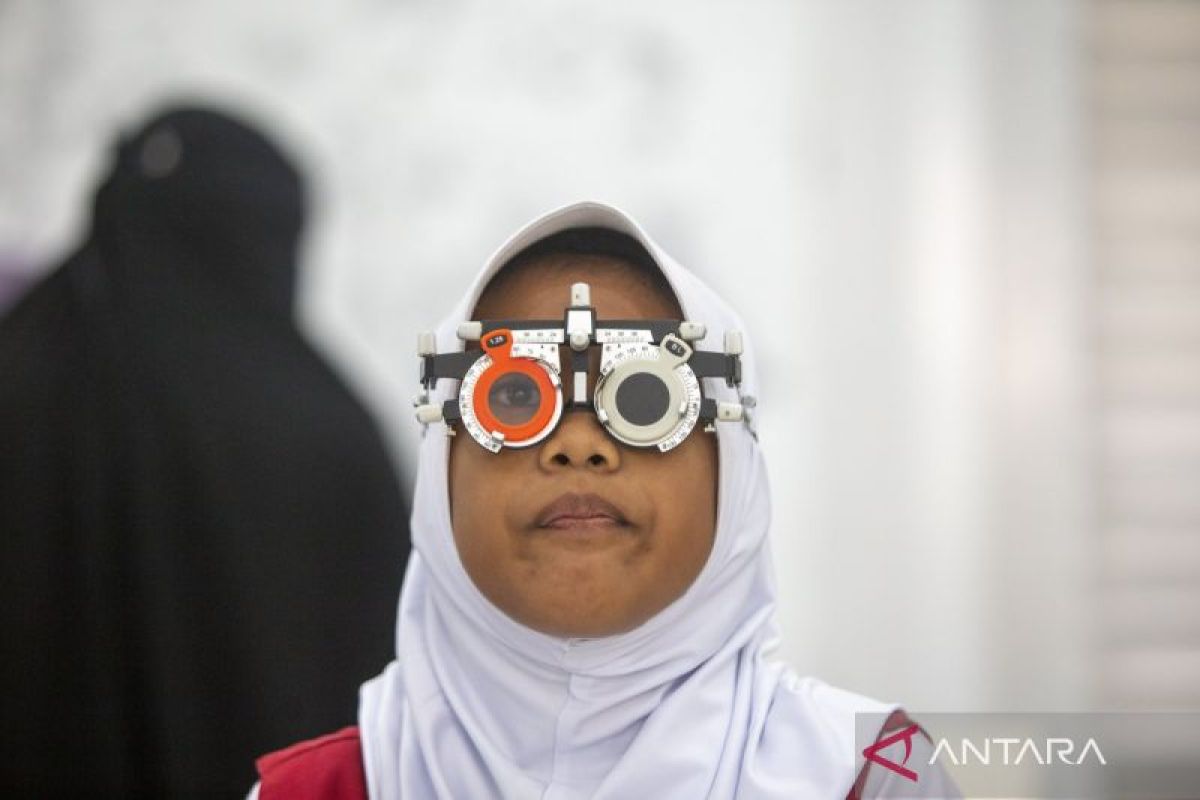
Jakarta (ANTARA) - Dr Tri Wahyu, an ophthalmologist and graduate of Padjadjaran University, is urging parents to be vigilant regarding eyelid disorders in children from birth to ensure they receive the necessary care. During a discussion with journalists in Jakarta on Wednesday, Tri explained that eyelid abnormalities in children can be congenital, appearing at birth, yet are often unnoticed by parents and left untreated as the child grows.
“Because many cases of eyelid abnormalities actually appear from birth, parents do not recognise them as a disorder, so they are left alone until the child grows up with the condition,” said Tri.
Blepharophimosis involves a combination of symptoms, including the upper and lower eyelids being positioned too close together, ptosis (drooping of the upper eyelid), and the eye corner being obscured by a skin fold from the nasal side, known as Epicanthus Invensus Syndrome.
A second disorder, epiblepharon, is frequently diagnosed in children aged 6 to adolescence. Its characteristic feature is excess eyelid skin accompanied by enlarged eyelids that cause eyelashes to rub against the surface of the eyeball. This can result in red or watery eyes. “This is common in East Asian ethnicities, although it also occurs in non-East Asians. Body weight also plays a role, as children, particularly those who are obese, are at high risk of experiencing epiblepharon,” Tri explained.
Thirdly, cases of ptosis—a condition where the eyelid obstructs the pupil—can threaten a child’s visual function or lead to amblyopia (lazy eye), even after corrective eyewear has been prescribed. This case is most often unnoticed by parents because infants do not frequently open their eyes at birth, and it is only realised when the child is 2-3 years old as the skull development becomes more apparent. Ptosis can cause astigmatism because the eyelid presses against the cornea or the dome of the eyeball.
A fourth case of congenital eyelid disorder is coloboma, which can be accompanied by damage to the iris, lens, choroid, and even the optic nerve.
Tri noted that eyelid disorders in children are not always treated with immediate surgery; doctors usually perform observations alongside the growth of the skull. If the condition threatens vision, optic nerve development, or is irritative, doctors will recommend surgery to correct the drooping eyelid or to lift the eyelid folding inwards. In cases of ptosis, doctors may wait until the child is 3-4 years old to allow the eyelid to grow before performing surgery to lift it.
Source: jawawa.id (https://jawawa.id/newsitem/parents-urged-to-be-vigilant-of-eyelid-disorders-from-birth-1780850045)
Originally published by Antara (Indonesian) (https://www.antaranews.com/berita/5592285/orang-tua-diminta-waspadai-gangguan-kelopak-mata-sejak-anak-lahir), translated from Indonesian