
Parents advised to guide children in recognising needs within digital spaces
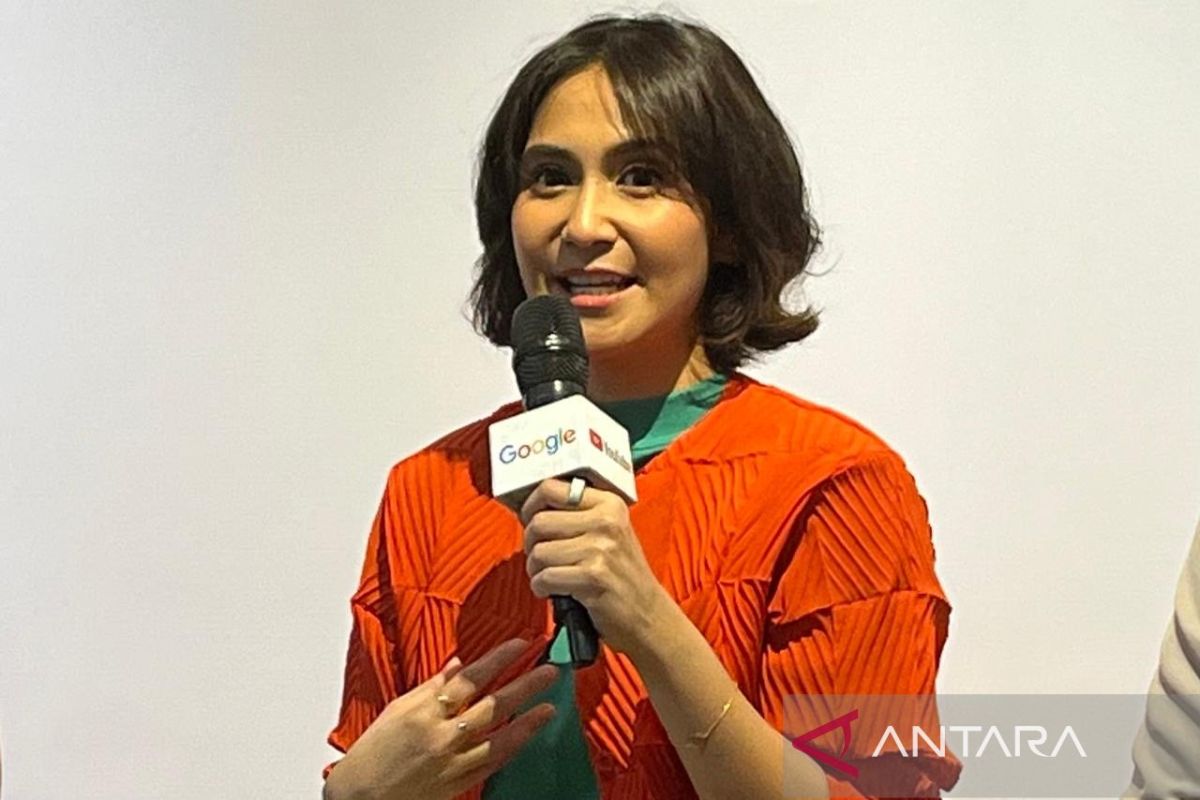
Jakarta (ANTARA) - Clinical psychologist Alsi Mega Marsha Tengker, B.A., M.Sc., M.Psi., suggests that children require parental guidance to recognise their needs within digital spaces to avoid excessive usage.
During the “#AKSIDigital: Ruang Tumbuh Keluarga Indonesia” event in Jakarta on Thursday, the psychologist, affectionately known as Caca, stated that with proper supervision, children can learn to determine appropriate levels of digital consumption.
“The analogy is like wanting a child to have a healthy relationship with food, where they recognise hunger cues and fullness cues. We want children to be aware of what their actual needs are when they are on the internet,” said Caca.
Caca noted that a child’s awareness of their digital needs does not develop suddenly; parents have a responsibility to model a healthy relationship with the internet.
According to Caca, once a child understands their own needs, they will seek content in appropriate portions. For instance, if a child’s need for emotional warmth is met by their parents, they will not seek it on the internet. Consequently, the internet can be utilised as a place for learning and creativity, while social connections remain fulfilled in the real world.
Caca added that parents must remain the primary source of information for children, while platforms such as Google and YouTube should serve merely as tools to support their technological proficiency and development as digital citizens.
“If we interact frequently with the digital world, we know its function. Therefore, personal needs should essentially be met by parents. Technology should not become more enjoyable than the parents themselves,” said the psychologist, who is a member of the Indonesian Psychological Association (HIMPSI).
Caca further explained that children’s emotional regulation and critical thinking are not yet fully mature, as the executive functioning and cognitive skills in the brain responsible for decision-making and critical thinking are still developing.
In this regard, Caca suggested applying the T-H-IN-K mindset framework (True, Helpful, Inspiring, Necessary, Kind) to guide children as digital natives.
“When they see something on the internet, we ask them: Is it True? Is this correct? This will trigger their judgement to investigate whether it is true or not,” Caca added.
Furthermore, the ‘Helpful’ element of the T-H-I-N-K method encourages empathy, prompting children to consider whether what they watch or share can help others. The ‘Inspiring’ element focuses on the child’s ability to assess whether content is moving or educational.
The ‘Necessary’ element encourages children to distinguish between essential and unimportant content, while the ‘Kind’ element emphasises assessing whether content is good or bad, which also fosters empathy.
“We can use this framework to guide our children so that their developing critical thinking helps them make wise decisions. While we guide them initially, the hope is that they will eventually be able to guide themselves through better self-regulation,” concluded the founder of Amanasa.