
ParagonCorp Funds Stanford Research into Mental Health in an Islamic Context
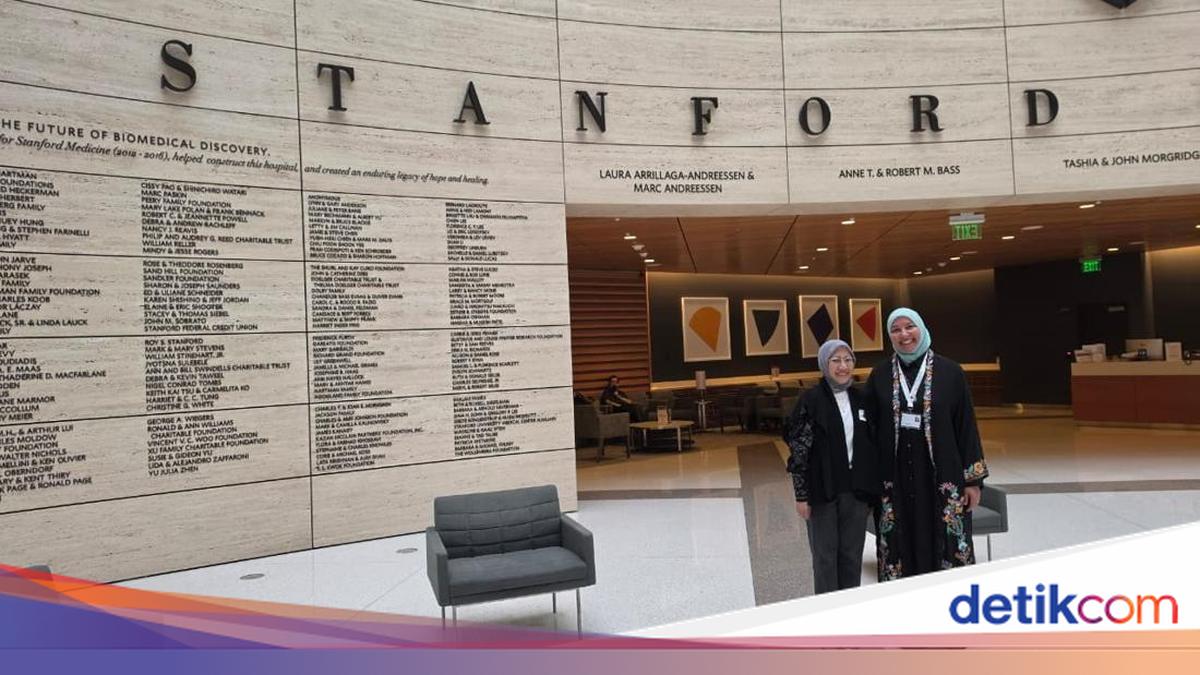
ParagonCorp’s founder has provided funding to Stanford University to support research into mental health in an Islamic context and among Muslim communities. The support is channelled through the Paragon-Wardah Research Fund at Stanford School of Medicine to assist the work of the Stanford Muslim Mental Health & Islamic Psychology Lab.
The lab is led by Dr Rania Awaad, MD, Clinical Professor of Psychiatry and Behavioural Sciences at Stanford University School of Medicine. Its research focuses on understanding the mental health needs of Muslim communities, including stigma that can prevent people from seeking professional help and the relationship between mental health and spirituality.
“We believe a person’s health encompasses physical, mental and spiritual wellbeing. By supporting Dr Awaad’s lab, we hope to contribute to the development of knowledge that will enable Muslims around the world to access mental health services that understand and align with their beliefs,” said ParagonCorp Deputy CEO and Chief of Research and Development Dr Sari Chairunnisa in a statement on Friday (23 October 2026.
“We hope Muslims, both in Indonesia and elsewhere, will receive mental health services that are also aligned with their beliefs,” she added.
The lab focuses on mental health and psychology research in the context of Islam and Muslim communities. Its work includes the needs of Muslim patients, stigma that makes some people hesitant to seek professional help, and the relationship between mental health and spirituality.
The lab’s publications also cover topics including Islamic psychology, responses to suicidal behaviour, substance use, and the mental health of migrant groups and students.
Dr Rania Awaad thanked ParagonCorp for its support for research into the mental health of Muslim communities.
“We are deeply grateful to ParagonCorp’s founder for their trust and support for our research,” she said.
“This support helps us continue developing the knowledge needed by healthcare professionals, educators and religious leaders to serve Muslim communities with expertise and deep understanding,” she added.
The support is also relevant to Indonesia, the world’s most populous Muslim-majority country, which continues to face challenges in accessing mental health services.
The 2022 Indonesia National Adolescent Mental Health Survey (I-NAMHS) found that around one in three Indonesians aged 10–17—approximately 15.5 million children and adolescents—had experienced a mental health problem in the preceding year. However, only 2.6% of them had sought help or accessed counselling services.
According to Dr Awaad, religious belief can be a source of strength for patients during recovery, but this aspect is not always accommodated in the mental health services they receive.
“For many of our patients, religious belief is a source of strength during recovery. Yet this aspect is not always incorporated into the mental health services they receive,” she said.
“This support enables us to continue our research and training to help communities that still face stigma, which often makes people reluctant to seek help, including in Indonesia,” she said.
The Paragon-Wardah Research Fund can be used to support a range of the lab’s activities and needs. It supports the lab’s overall mission under Awaad’s direction, while the lab itself determines its research priorities.
Source: jawawa.id (https://jawawa.id/newsitem/paragoncorp-funds-stanford-research-into-mental-health-in-an-islamic-context-1792727520)
Originally published by detikcom (https://news.detik.com/berita/d-8720126/paragoncorp-danai-riset-stanford-soal-kesehatan-mental-dalam-konteks-islam), translated from Indonesian