
Papua's Progress Seen as Key to Strengthening Indonesia from the East
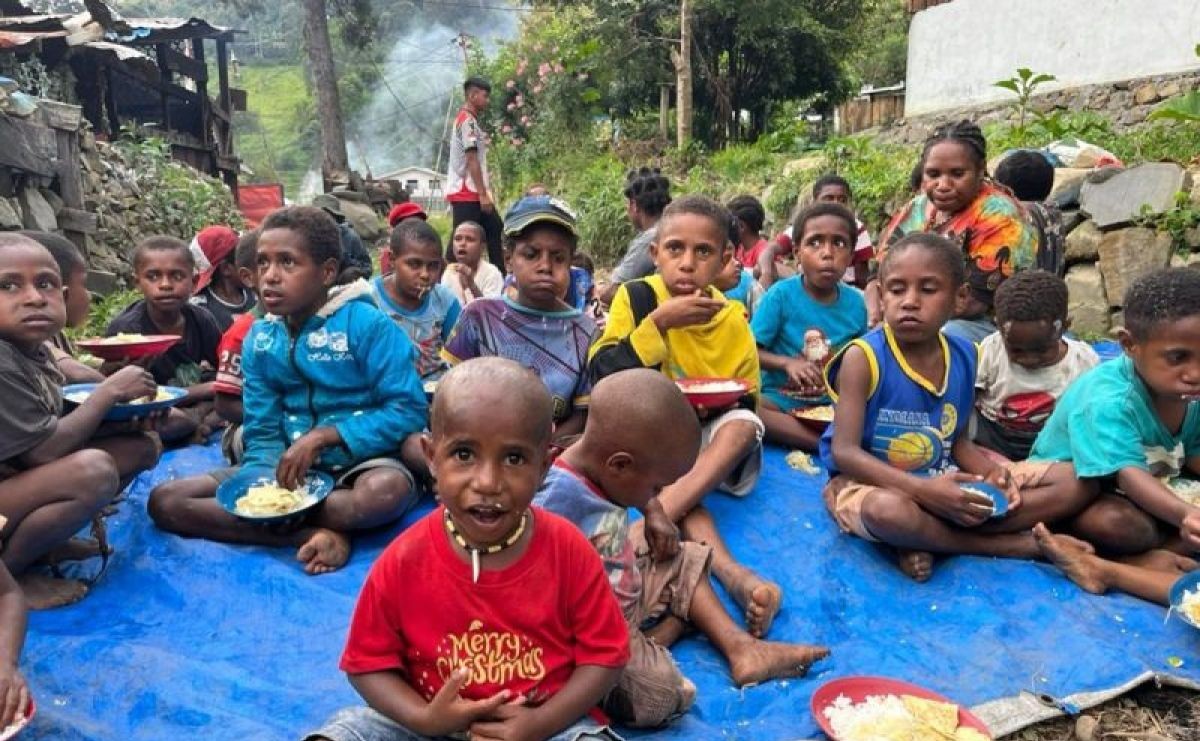
The 81st anniversary of the Republic of Indonesia is a momentum to renew the spirit of building Indonesia evenly, including in Papua. Papua’s progress is seen not only as a matter of welfare for the people of Bumi Cenderawasih, but also as strategically important for Indonesia’s future.
Papuan activist Charles Kossay said Papua holds an important position in the nation’s journey. Development in the region, he said, should be directed not merely at physical construction, but also at improving welfare, strengthening human resources, creating jobs, and providing broader opportunities for indigenous Papuans (OAP) to participate as actors of development.
“A developed Papua means a stronger Indonesia from the east. This is not just a slogan, but must become a shared spirit that Indonesia’s progress must not leave Papua behind. On the contrary, Papua must become one of the main strengths in building Indonesia,” Charles said.
According to Charles, development in Papua in recent years has shown progress, including through improvements in infrastructure, connectivity, education, health, and a number of strategic government programmes. However, these advances must be followed by ensuring that the benefits of development are truly felt by the community.
“What we hope for is not only development that is visible physically, but development that changes people’s lives. Roads may improve, connectivity may open up, investment may grow, but the most important thing is whether the people of Papua are becoming more prosperous,” he said.
Charles assessed that the 81st anniversary of independence can be a momentum to improve the quality of development in Papua. Accelerated development, he said, must go hand in hand with increasing the capacity of local communities so that they are not only beneficiaries, but also have an active role in determining the direction of development.
He expressed hope that indigenous Papuans will gain greater space in various strategic fields, from education, employment, and entrepreneurship to economic activities that grow as investment enters.
“We hope indigenous Papuans can become actors of development, professionals, entrepreneurs, experts, bureaucrats, academics, and leaders who help determine the future direction of Papua,” he said.
Strengthening human resources is considered one of the most important agendas. Charles urged that affirmative education programmes continue to be strengthened so that more young Papuans have the opportunity to receive quality education, both domestically and abroad.
“If we want to see Papua progress in 10, 20, even 30 years, then today we must build its people. Education is the most important investment. Papuan children must be prepared to compete at national and even global levels,” he stressed.
However, according to Charles, educational affirmation is not enough if it only opens access to schools or universities. Support must also include educational continuity, competency improvement, mentoring, and ensuring that graduates have space to develop their abilities and contribute.
“Do not just send Papuan children to school and then after they graduate they are confused about finding space to serve. There must be an ecosystem that connects education with the world of work, business, government, and the development needs of Papua,” he said.
In addition to education, job creation also needs attention. Charles expressed hope that various strategic projects and investments in Papua can open greater opportunities for local communities.
“If investment enters Papua, then the Papuan people must get real opportunities. There must be training, technology transfer, job opportunities, business partnerships, and space for local entrepreneurs. That way, investment truly becomes an instrument of empowerment,” he said.
On the other hand, Charles reminded that development must pay attention to the social, cultural, and environmental character of Papua. Economic growth should not erase the identity of the community or reduce the living space of indigenous peoples.
“Papua has extraordinary natural and cultural wealth. Therefore, development must continue to respect indigenous peoples and the environment. We want Papua to progress, but still have its identity,” he said.
He expressed hope that future development in Papua will be built on the principles of welfare, justice, equal opportunity, and trust between the government and the community. According to Charles, the people of Papua need to see development as an opportunity to build the future, while the government must ensure that the policies implemented truly answer the needs of communities in the regions.
“The government must continue to be present, the community must participate in oversight, and all parties must work together. We do not want Papua to be merely an object of development. Papua must become an important part of the subject of national development,” Charles added.
Charles is optimistic that Papua has a great opportunity to develop into one of Indonesia’s new growth centres. Improving the quality of human resources, infrastructure development, and policies that provide greater space for local communities are considered capable of strengthening Papua’s contribution to the national economy.
“Papua has great potential. Let us not see Papua only from its problems and challenges. Let us see Papua from its opportunities and future. If Papua progresses, then Indonesia will be stronger from the east,” he concluded.
Community-based non-formal education is considered one of the keys to preparing indigenous communities to face social and economic change. National Strategic Projects (PSN) in Papua have the potential to accelerate equitable development, strengthen inter-regional connectivity, and encourage improved welfare.