
Papua Provincial Government Meets Basic Needs of Mandala Fire Refugees
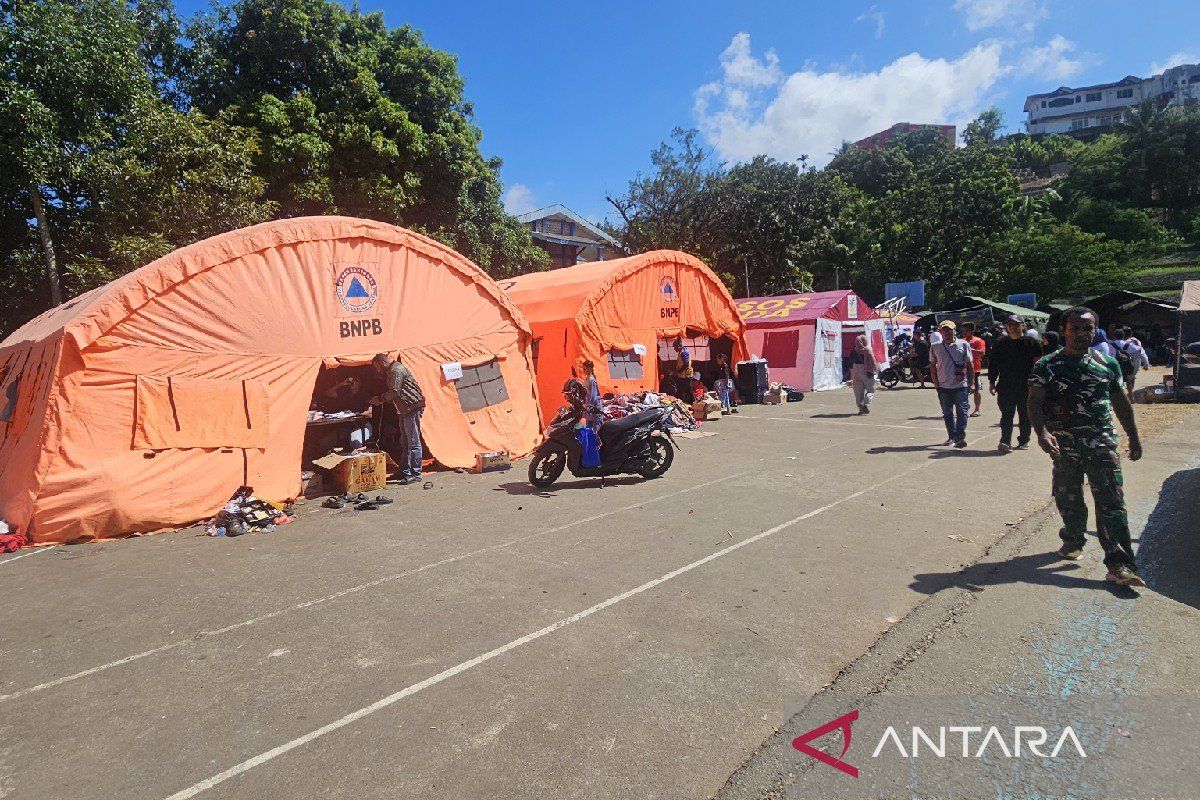
The Papua Provincial Government has distributed basic necessity aid to residents affected by the fire in the Mandala area, Jayapura City, who are still residing in displacement camps.
The Acting Regional Secretary of Papua, Christian Sohilait, stated in Jayapura on Thursday that the aid, consisting of three truckloads, was distributed to meet the needs of residents still occupying temporary tents around Mandala Field.
According to Christian, the Papua Provincial Government had previously coordinated with the management of the relief posts to identify the specific needs of the residents as they entered the third day following the fire.
“We hope that the health condition of the refugees remains stable while they are at the displacement site. We hope that following today’s incident and in the coming days, no refugees fall ill,” he said.
He explained that to maintain environmental cleanliness, the government has also provided rubbish bags at the displacement site. This step was taken to prevent health issues arising from unsanitary environmental conditions.
“We urge the community and the families of the refugees arriving at the location to continue monitoring the condition of those currently undergoing displacement,” he added.
He further noted that the Papua Provincial Government, together with the Jayapura City Government, has begun mapping the needs of the affected residents for handling over the next one to two weeks.
“The City and Provincial Governments are also looking into other measures for post-fire management, as the emergency response period lasts for one or two weeks,” he said.
Previously, a fire occurred in the area behind Mandala Stadium, Jayapura City, Papua, on Monday afternoon (31/8). Based on gathered data, the fire affected 560 families, involving approximately 3,200 individuals.