
Papua Eyes Medical Tourism to Boost Economy from Border Opportunities
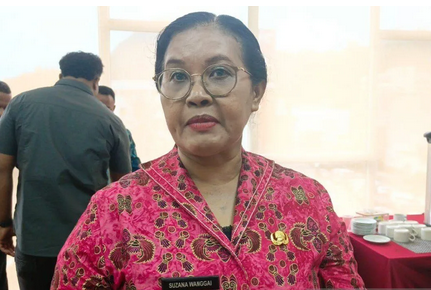
KOTA Jayapura is now looking towards a new future as a healthcare hub in the Pacific region. The Papua Provincial Government has begun strategically eyeing the development of hospital tourism, or medical tourism, following the high interest from Papua New Guinea (PNG) citizens in obtaining medical care in the capital of Indonesia’s easternmost province.
This move is not merely an effort to improve the quality of health services, but also a precise strategy to spur regional economic growth through the domino effect generated by visits from foreign patients.
Asisten Bidang Administrasi dan Umum Sekretaris Daerah Papua, Suzana Wanggai, revealed that healthcare facilities in Jayapura have received a positive response from the PNG Government. This interest is a strong signal that the quality of medical services in Papua is beginning to gain international recognition, particularly from its neighbouring country.
Several facilities that are the main focus include RSUP Jayapura and RSUD Dok II. A recent visit by a PNG delegation confirmed that the service standards and completeness of medical equipment at both hospitals are highly suitable for serving cross-border patients.
The concept of hospital tourism does not stop at the operating table or inpatient room. The arrival of patients from abroad brings a broad economic impact to the people of Jayapura. Patients who come are usually not alone; they are accompanied by family members who require various supporting facilities during the treatment period.
Several business sectors are predicted to benefit from this flow of medical tourism.
To realise the ambition of becoming a healthcare hub in the border region, the Papua Provincial Government is committed to continuous improvement. The main focus currently is on enhancing the quality of health services and preparing other supporting aspects, including easing bureaucratic access for foreign nationals.
If managed with professional management, hospital tourism can strengthen Papua’s bargaining position internationally, while proving that development in eastern Indonesia has reached a regionally competitive level.