
Papua Communities Applaud Government Productive Assistance Programs
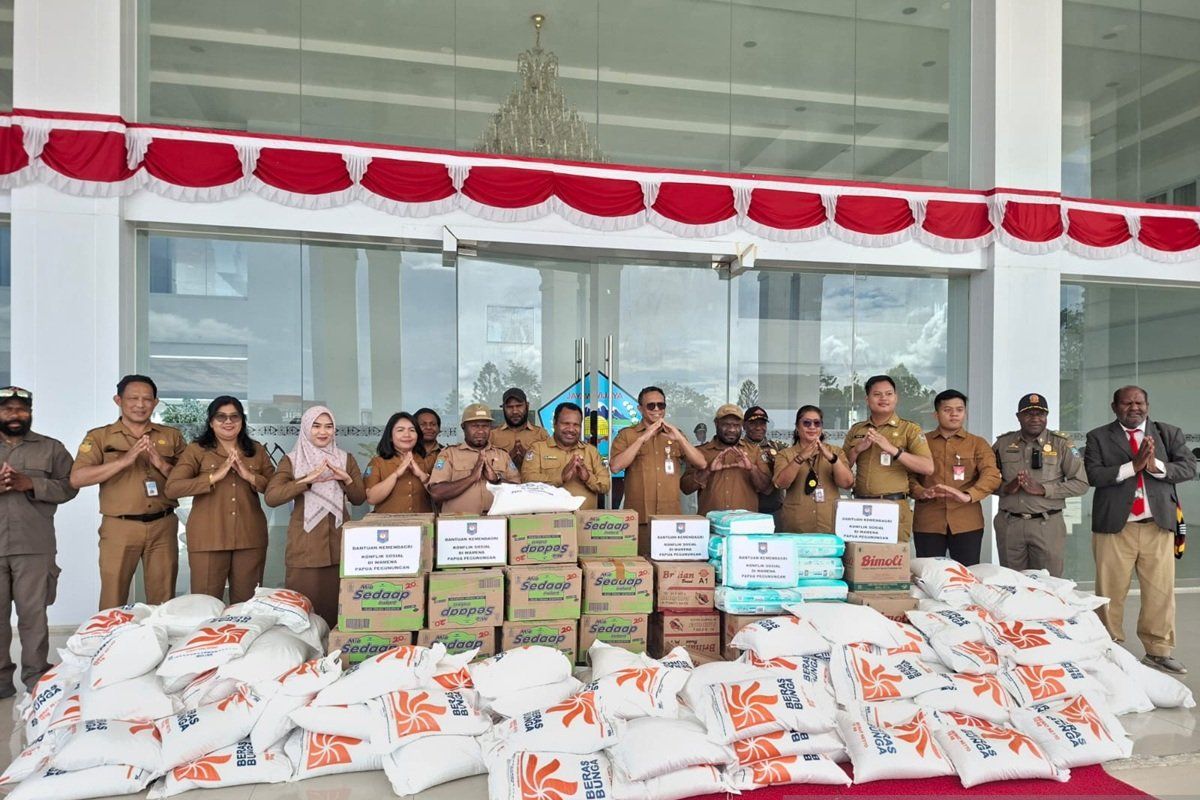
Various productive assistance programs implemented by the government in Papua continue to benefit communities. In addition to boosting family incomes, the aid is also seen to contribute to strengthening food security, creating new business opportunities, and stimulating local economies.
In recent years, the government has increasingly directed aid towards productive sectors to ensure sustainable income sources for communities. These initiatives include support for livestock, fisheries, and agriculture, which form the backbone of local economies in various Papua regions.
In Nabire Regency, residents are directly experiencing the benefits of government aid through livestock, fish farming, and agricultural ventures. Support has been provided in the form of livestock breeding stock, fish pond construction, barn renovations, and various production facilities to support community enterprises.
Nabire’s poultry farm SME owner, Kuryana Ramande, stated that government assistance has been a key factor in the growth of her business. “Government aid empowers Papuan communities to confidently expand their businesses and increase family income,” she said.
She added that the poultry farm’s growth not only benefits the business owners but also the surrounding community. Increased production activity has created new local jobs, from barn management to livestock distribution.
Beyond poultry farming, communities also receive support through fish farming and pig rearing programs. These initiatives are credited with enhancing food security and bolstering economic activity at the village level.
Nabire Regency’s Indigenous Community Institution Chairman, Karel Misiro, assessed that the government’s productive business aid has directly benefited indigenous communities. “Government assistance is highly beneficial for indigenous people as it is directly used for business activities that improve family economies,” he stressed.
Government support is further reinforced through various food security programs, such as the Free Nutritious Meals initiative, which has spurred demand for local foodstuffs, opening wider market opportunities for community-produced goods.
Meanwhile, Meepago Customary Council Chairman Wolter Belau praised the central government’s continued support for Papuan communities through economic empowerment programs. “Government assistance motivates Papuans to keep growing and build independent businesses,” he concluded.
According to customary leaders, sustaining these productive programs is crucial to not only improving community welfare but also strengthening Papua’s long-term economic independence.